
Powder Coating Thickness Guide
Understanding the right powder coating thickness is crucial for ensuring performance and durability on steel surfaces. Adequate coating thickness protects against corrosion, enhances aesthetics, and prolongs the lifespan of the component. Learn how optimal thickness impacts steel performance and efficiency.
At Powder Coatings Ltd, our powder coating procedure combines over 50 years of experience with ISO 9001 approved quality systems to deliver reliable, durable, and high-performance finishes for industrial and commercial applications. From detailed surface preparation and electrostatic powder application through to precision oven curing, every stage is carefully controlled to achieve outstanding coating quality and long-term protection.
Established Over 50 Years
Trusted powder coating specialists serving UK industries since 1972.
ISO 9001 Approved Quality
Full traceability and strict quality control procedures on every project.
Fast Turnaround Times
72-hour turnaround with optional 24-hour express coating service.
Specialist Powder Coating Solutions
Advanced coatings and technical expertise for complex industrial applications.
Understanding Powder Coating Thickness on Steel
Understanding the correct powder coating thickness for steel is essential for achieving optimal performance and longevity in metal components. Powder coating thickness directly affects the durability, corrosion resistance, and overall effectiveness of the coating. Surprisingly, there is a specific range that ensures the best outcome, as too thin a coating may lead to insufficient protection, while an excessively thick coating can compromise adhesion and appearance.
Powder coatings are typically applied in thicknesses ranging from 50 to 150 microns, depending on the use case and environmental demands. For high-demand applications, such as in the automotive or construction sectors, adherence to the recommended thickness standards is crucial. These ensure that the steel surfaces can withstand exposure to elements, mechanical stress, and other external factors without degrading quickly.
To achieve the ideal coating thickness, precise application techniques and thorough surface preparation are vital. This involves steps such as cleaning, shot blasting, and applying primers where necessary, which collectively contribute to optimal coating adhesion. By meticulously managing these procedures, manufacturers and fabricators can ensure that the finished products not only meet but exceed performance expectations, aligning with industry standards and customer requirements.
Key Features of Powder Coating Thickness on Steel
Informed decisions on powder coating thickness for steel components enhance durability and corrosion resistance, ensuring robust performance and longevity. Explore key thickness features, translating specifications into benefits that bolster your project outcomes and efficiency.
Optimal Layer Thickness
Achieving the optimal powder coating thickness between 50 to 150 microns ensures robust protection for steel surfaces, crucial for enduring harsh environments and preventing premature wear.
Corrosion Resistance
Properly applied coating layers shield steel components from moisture and corrosive elements, significantly increasing the material's lifespan and reducing maintenance needs.
Adhesion Quality
Maintaining recommended thickness levels promotes superior adhesion to steel surfaces, preventing chipping and peeling, which can lead to exposure and damage.
Protective Coating Integrity
Adequate thickness ensures the coating serves as a formidable barrier against mechanical impact and abrasion, preserving the steel's structural integrity during use.
Smooth Aesthetic Finish
A uniform coating thickness results in a smooth, attractive finish that enhances the visual appeal of finished products, ideal for decorative and visible applications.
Meet the Team Behind the Perfect Finish
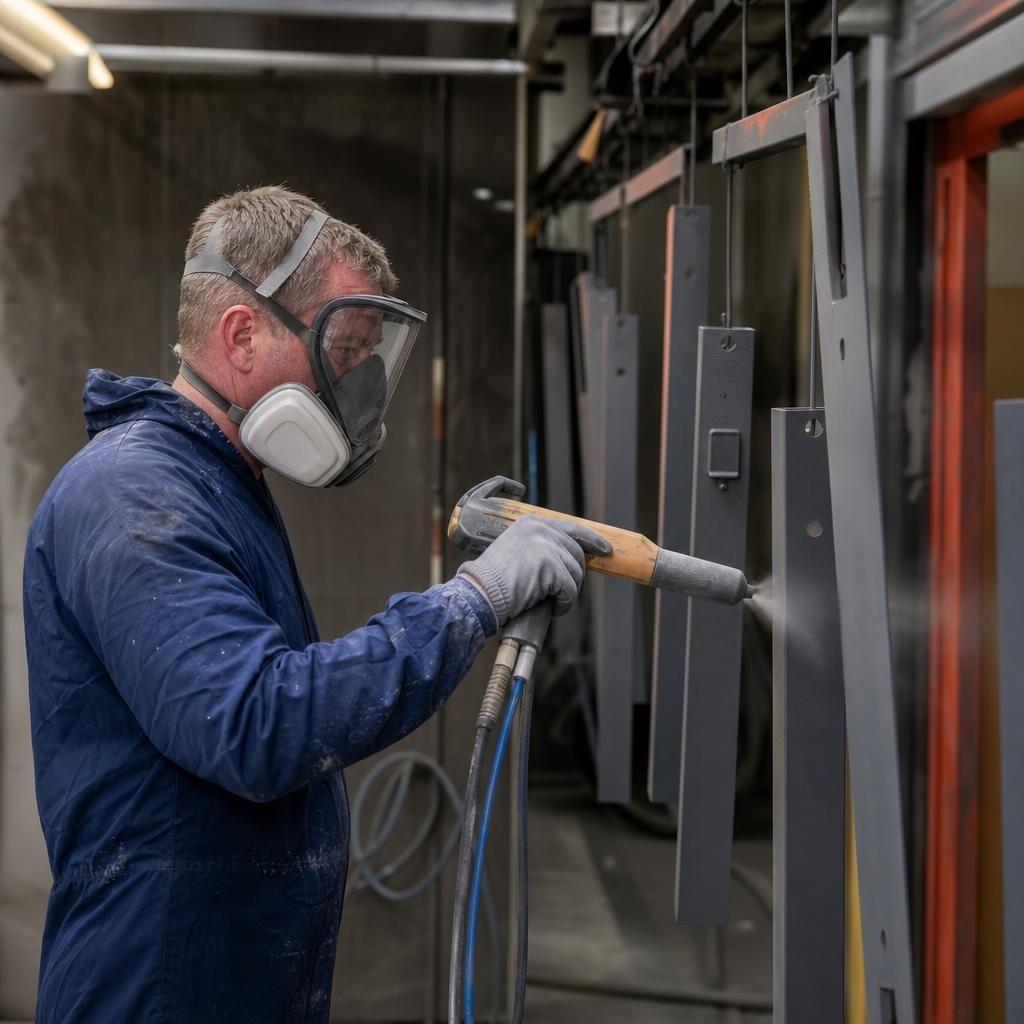
At Powder-coatings.co.uk, our team is dedicated to delivering exceptional powder coating solutions across the Midlands. Our expertise ensures that every steel component receives the right coating thickness for maximum durability and corrosion resistance. We understand the nuances of different applications, enabling us to tailor our techniques for each project.
Our skilled professionals are committed to following industry standards for powder coating thickness on steel. This precision guarantees that our coatings provide long-lasting protection and aesthetic appeal, crucial for sectors such as automotive and construction. We prioritise meticulous preparation and application methods to achieve superior results consistently.
Choosing our services means trusting a team passionate about quality and performance in powder coating. We focus on customer satisfaction through rigorous attention to detail, ensuring that each coating solution aligns with your specific requirements and enhances your project’s success.
Frequently Asked Questions about Powder Coating Thickness on Steel
What factors determine the optimal thickness of powder coating for steel components?
The optimal thickness for powder coating steel ensures robust protection against environmental factors, enhancing performance and lifespan. This balance prevents premature wear and maintains the functional integrity of components.
How does powder coating thickness affect resistance to corrosion and wear on steel surfaces?
Optimal powder coating thickness enhances steel's resistance to corrosion and wear by forming a robust barrier against environmental elements, preventing moisture and chemicals from reaching the metal surface.
What are the steps to ensure optimal powder coating thickness on steel surfaces?
Begin with thorough surface cleaning and degreasing, followed by shot blasting for texture. Utilize precise application techniques, carefully monitoring thickness during coating, and use primers to enhance adhesion and uniformity.
What is the impact of coating thickness variation on steel component performance?
Variation in coating thickness can lead to inadequate protection or reduced adhesion, compromising steel performance. Consistent thickness ensures optimal durability and resistance, enhancing the value and longevity of components.
Why is consistent powder coating thickness crucial for maintaining steel structural integrity?
Consistent powder coating thickness prevents weak points that could lead to premature failure, ensuring uniform protection and strength throughout the steel structure, which is vital for load-bearing and durability.
Key Features of Coating Thickness on Steel
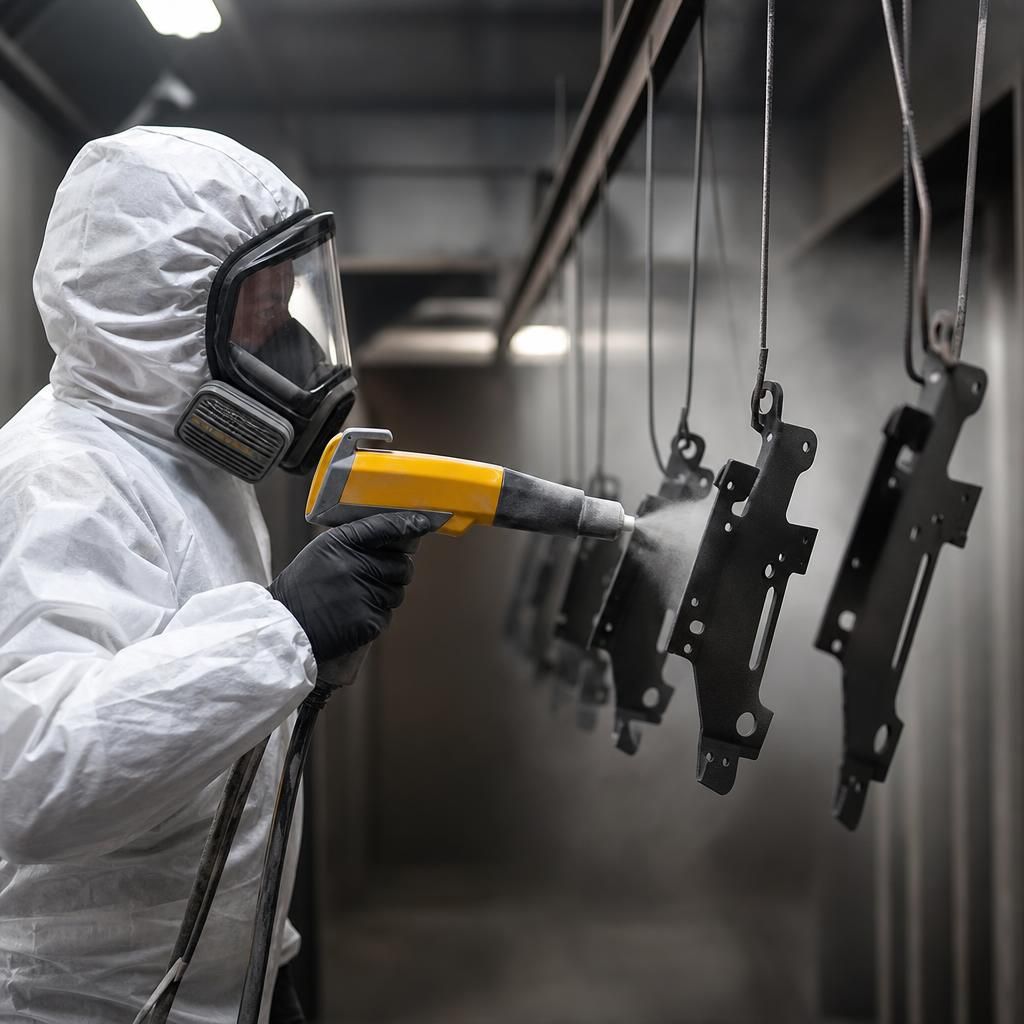
Enhancing Corrosion Resistance
Applying the correct powder coating thickness is essential for protecting steel surfaces against corrosion. This protective layer acts as a barrier, preventing moisture and chemicals from reaching the metal substrate and thus prolonging its lifespan.
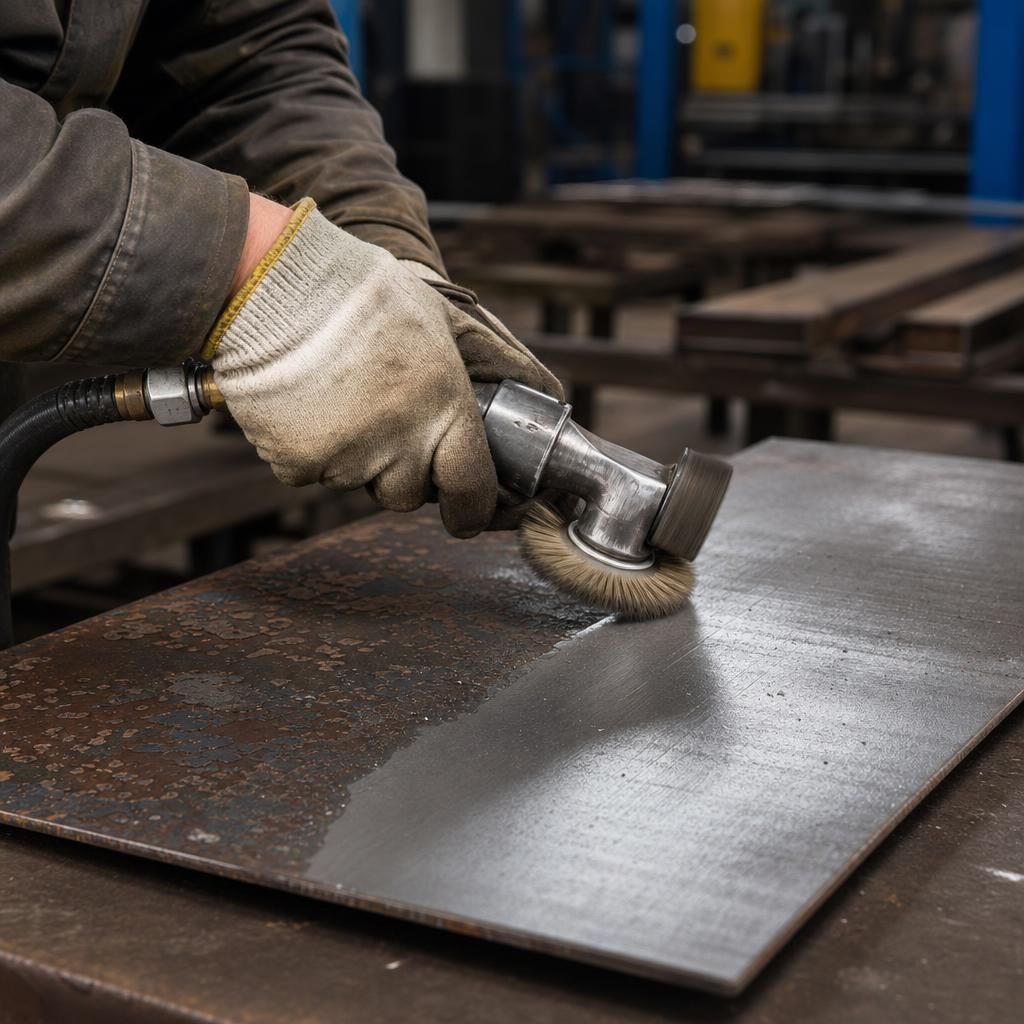
Optimising Aesthetic Appeal
A uniform coating thickness ensures a smooth, visually appealing finish on steel components. This aesthetic enhancement is particularly important in industries where appearance is as crucial as functionality, such as automotive and consumer products.
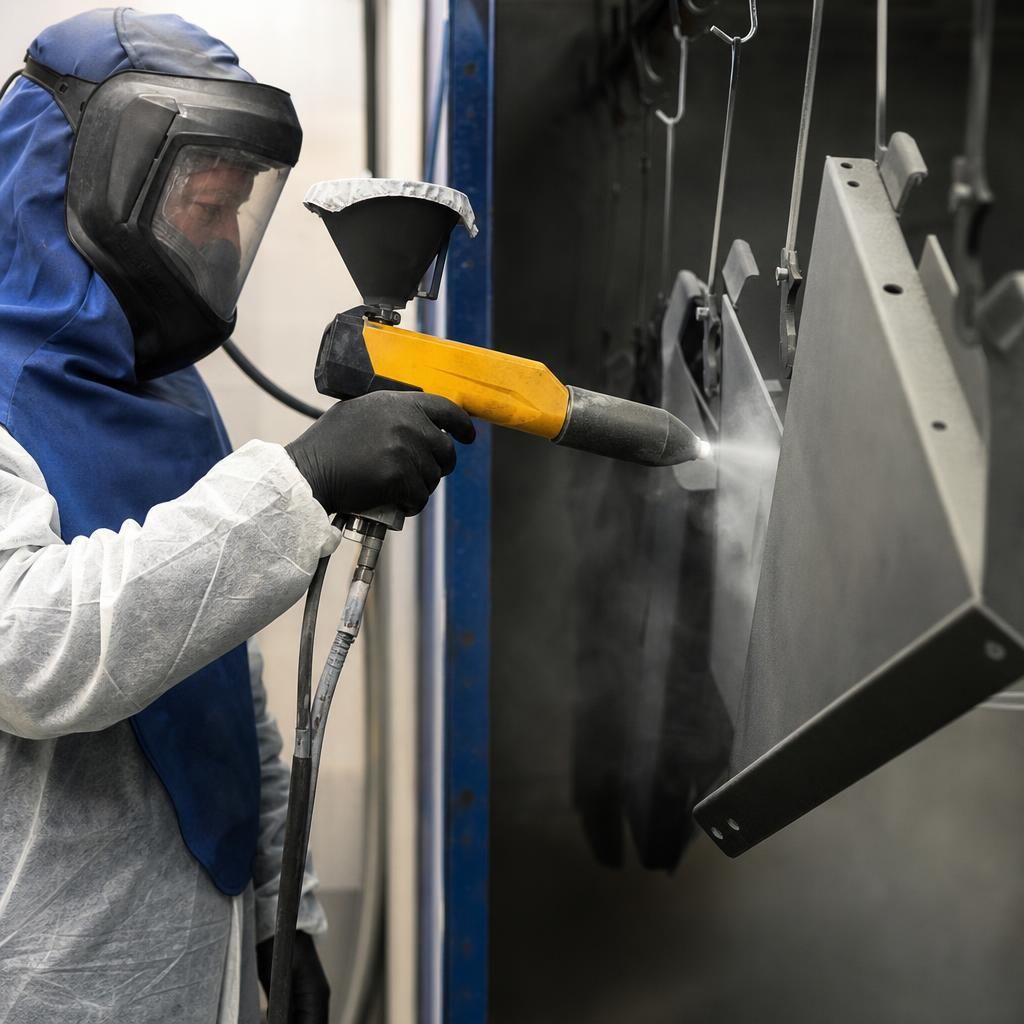
Preventing Adhesion Failures
An excessively thick coating can lead to poor adhesion, making the finish prone to chipping and peeling. Ensuring the recommended thickness range prevents these common pitfalls, keeping the coating intact and effective.
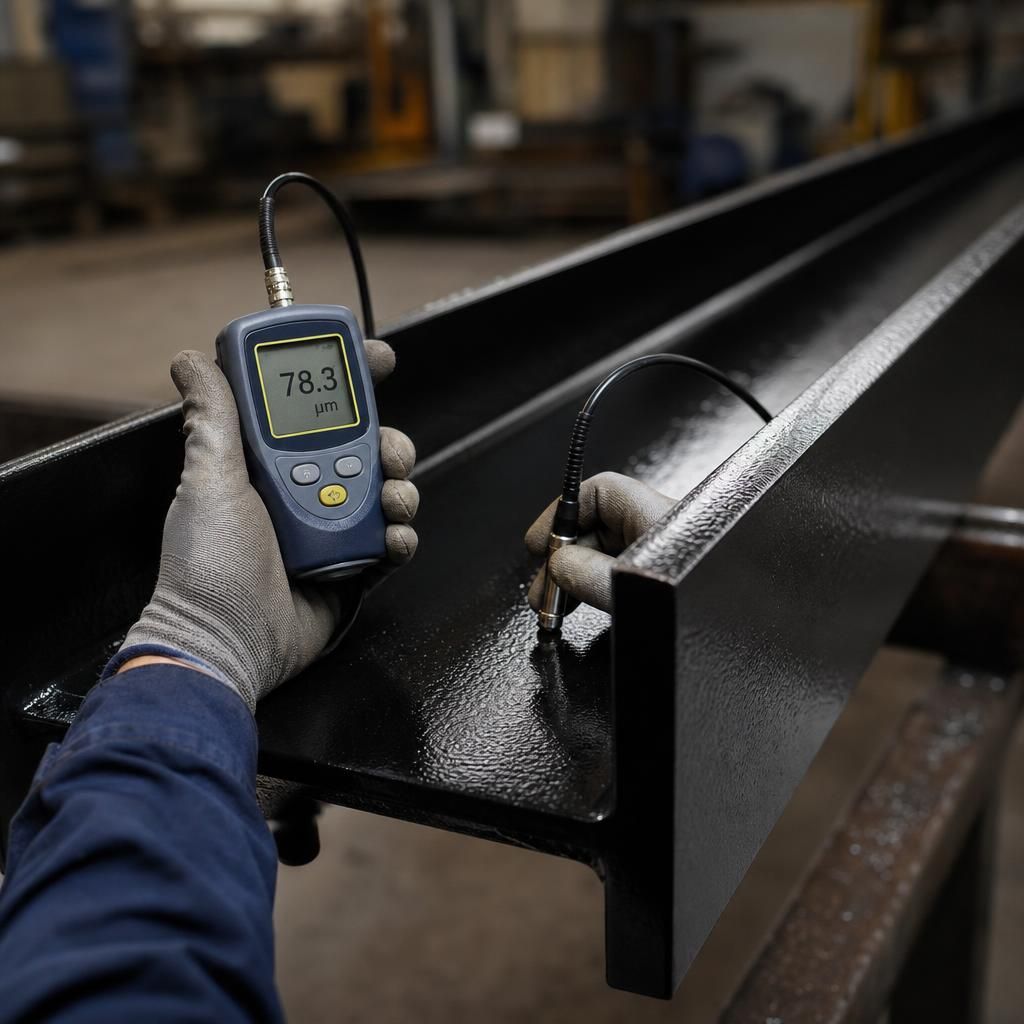
Meeting Environmental Standards
Adhering to precise thickness guidelines ensures compliance with environmental regulations. Proper coating acts as a safeguard, ensuring that steel structures can withstand specific environmental conditions without degrading.
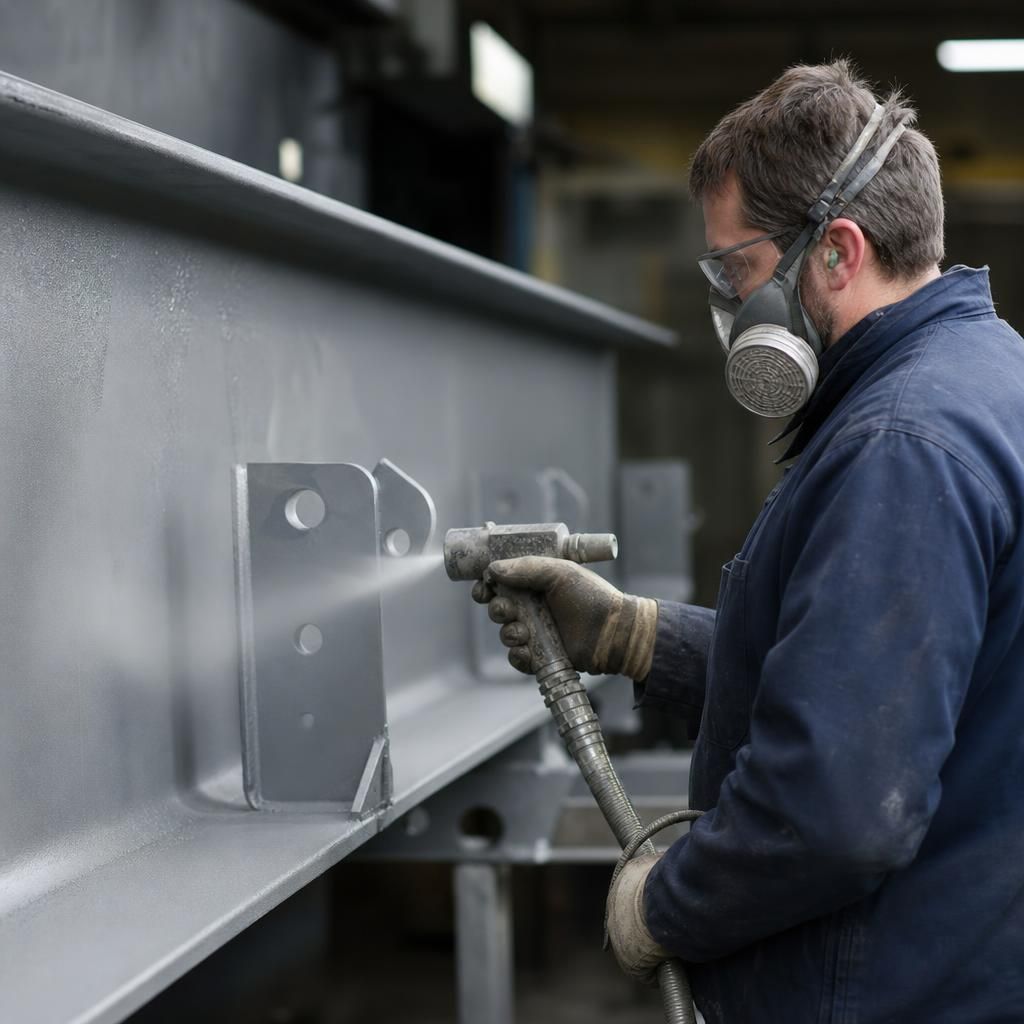
Tailoring to Application Needs
Different applications may require varied coating thicknesses. For instance, higher thickness levels might be needed for industrial machinery exposed to harsher conditions, while thinner coatings are suitable for decoratively focused elements.
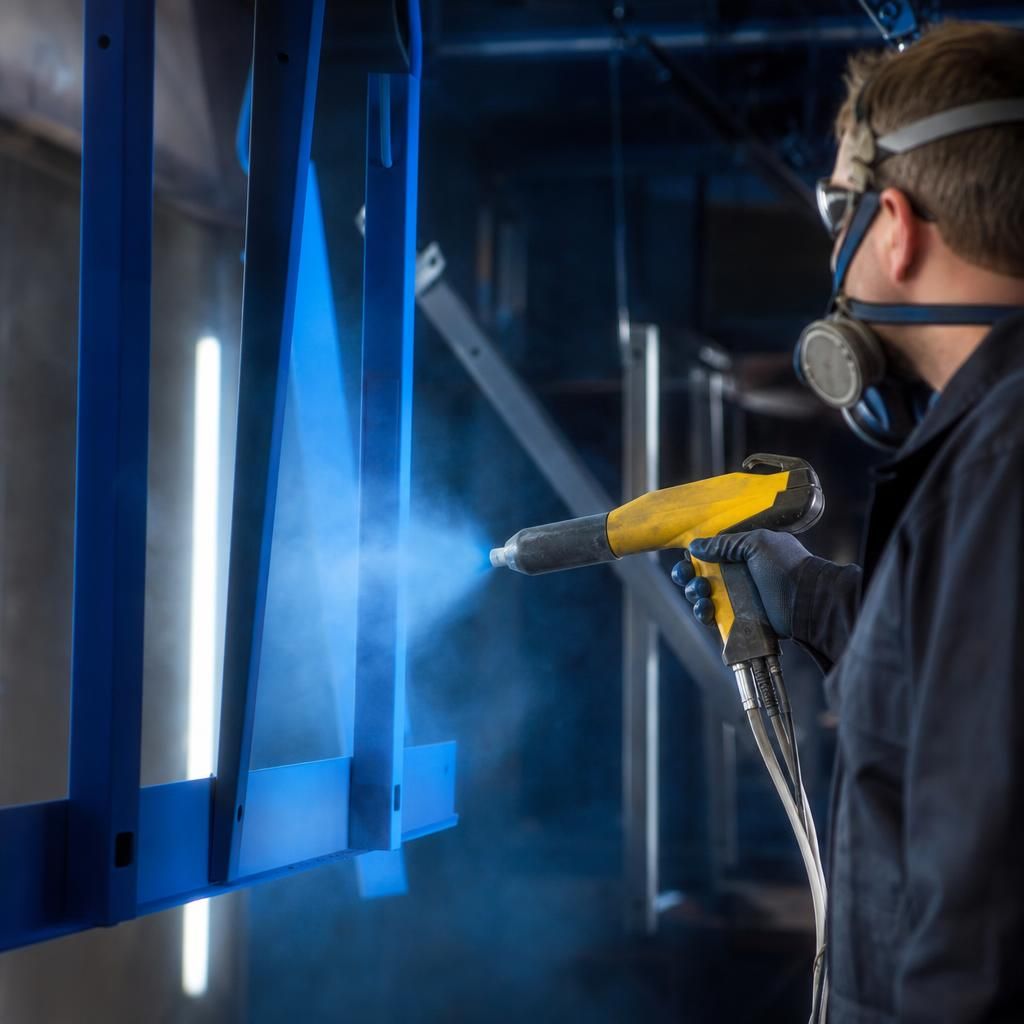
Foundation of Effective Coating
Adequate surface preparation is crucial to achieving the desired coating thickness. Processes such as cleaning and shot blasting remove contaminants, allowing the coating to adhere properly and perform effectively.
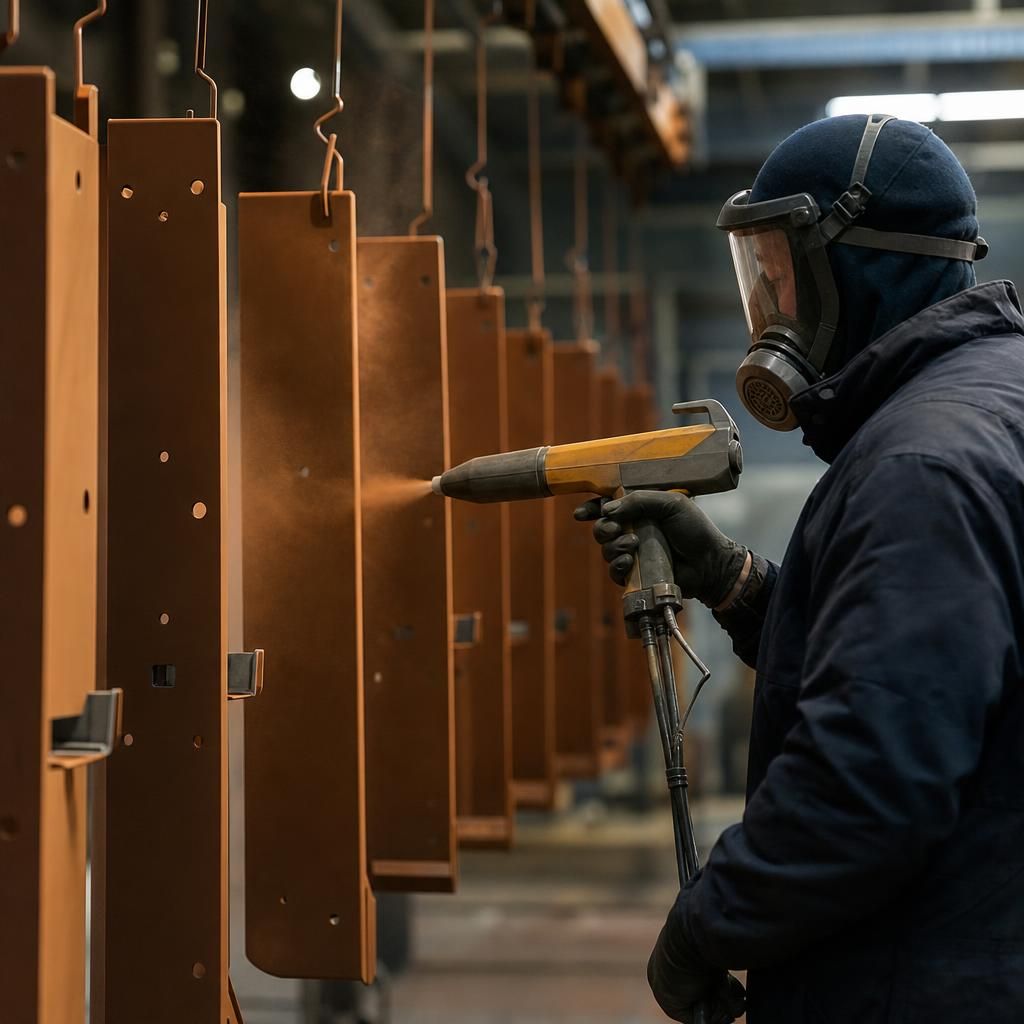
Understanding Layer Dynamics
Powder coating involves multiple layers, including primers and topcoats, each contributing to the overall thickness. Recognising the role of each layer helps in selecting the appropriate total thickness for optimal performance.
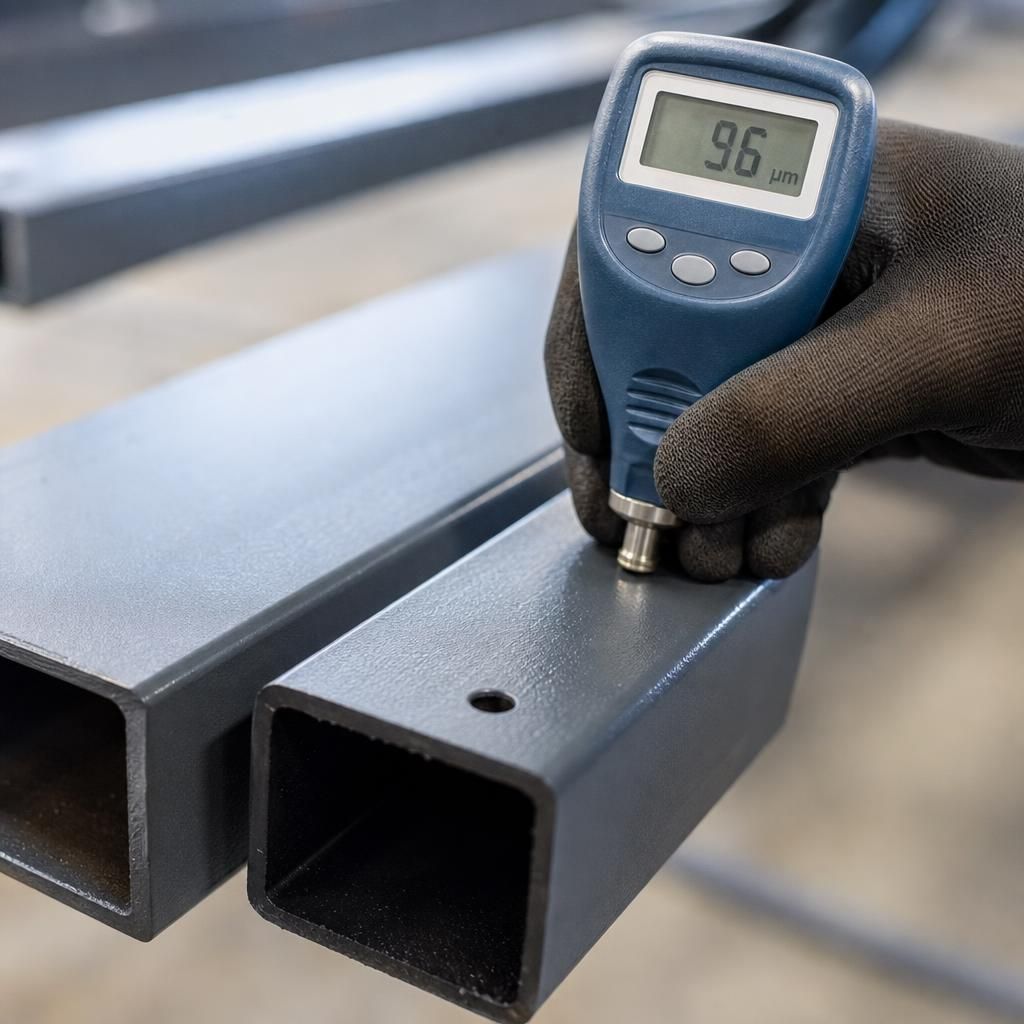
Precision in Measurement
Utilising precise measurement tools ensures the applied coating aligns with industry standards. Regular calibration and testing during application ensure that the thickness is consistent across all steel components, maintaining quality control.

Process Overview for Consistent Results
Following a structured powder coating process, from surface preparation to final curing, ensures consistent coating thickness and quality. This systematic approach helps in achieving reliable, durable finishes that meet client and industry expectations.
Optimal Thickness
Optimal powder coating thickness delivers superior durability, corrosion resistance, and aesthetic appeal on steel surfaces, ensuring your project withstands environmental challenges effortlessly.
Key Questions on Powder Coating Thickness
How does the thickness of powder coating affect the durability and corrosion resistance of steel components?
Ensuring optimal powder coating thickness involves precise control over application techniques, impacting protection and aesthetics. We prioritise industry standards to maintain durability and performance, crucial for resisting environmental challenges effectively.
What are the recommended steps to ensure the correct powder coating thickness for steel, and how can they impact the performance of the coated component?
Ensure thorough surface prep, use precision in application tools, and adhere to industry thickness standards to enhance durability, adhesion, and aesthetic quality of steel components.
What challenges might arise from incorrect powder coating thickness on steel, and how can these be mitigated?
Incorrect powder coating thickness can lead to aesthetic imperfections, reduced corrosion resistance, and poor adhesion. Mitigate these issues by ensuring precise application and thorough surface preparation tailored to the steel’s demands.
How does powder coating thickness influence the thermal and chemical resistance properties of steel components in industrial environments?
Appropriate powder coating thickness can enhance thermal and chemical resistance, preventing steel component degradation in harsh industrial settings, maintaining structural integrity, and ensuring long-term performance under varied conditions.
What are the specific industry standards for powder coating thickness on steel, and how do they ensure optimal performance and durability?
Industry standards specify powder coating thickness on steel between 50-150 microns, ensuring optimal durability, corrosion resistance, and aesthetic integrity, aligning performance with sector-specific demands for robust, long-lasting finishes.
Optimize Steel with the Right Powder Coating Thickness
Understanding the impact of powder coating thickness on steel is essential for optimising durability and performance. Proper thickness protects against corrosion and wear, ensuring a longer lifespan for metal components. Tailored solutions meet specific project requirements, enhancing results in various industrial applications.