
Powder Coating Failure Causes
Understanding powder coating failure causes is essential for maintaining the integrity and appearance of metal components. This guide identifies common issues and offers preventive strategies, helping to ensure a long-lasting finish through effective pretreatment and top-notch cleaning techniques.
At Powder Coatings Ltd, our powder coating procedure combines over 50 years of experience with ISO 9001 approved quality systems to deliver reliable, durable, and high-performance finishes for industrial and commercial applications. From detailed surface preparation and electrostatic powder application through to precision oven curing, every stage is carefully controlled to achieve outstanding coating quality and long-term protection.
Established Over 50 Years
Trusted powder coating specialists serving UK industries since 1972.
ISO 9001 Approved Quality
Full traceability and strict quality control procedures on every project.
Fast Turnaround Times
72-hour turnaround with optional 24-hour express coating service.
Specialist Powder Coating Solutions
Advanced coatings and technical expertise for complex industrial applications.
Understanding Powder Coating Flaws and Solutions
Powder coating failures can often be attributed to inadequate surface preparation and improper application techniques. Without proper pretreatment, contaminants like oil, grease, and rust may remain on the metal surface, preventing the powder from adhering effectively. Always ensure thorough cleaning and use suitable blasting methods to achieve a pristine surface.
An equally critical factor in avoiding coating failures is the temperature and humidity control during the coating process. Ensure the curing oven is calibrated correctly to maintain consistent heat levels throughout the component. Variations can lead to powder clumping or incomplete curing, compromising the finish’s durability.
For ongoing success, regular maintenance and inspection of coating equipment are crucial. Verify that all machinery, including spray guns and conveyors, are in optimal condition and free from blockages or wear. This proactive approach helps sustain high-quality coating applications and prevents costly rework.
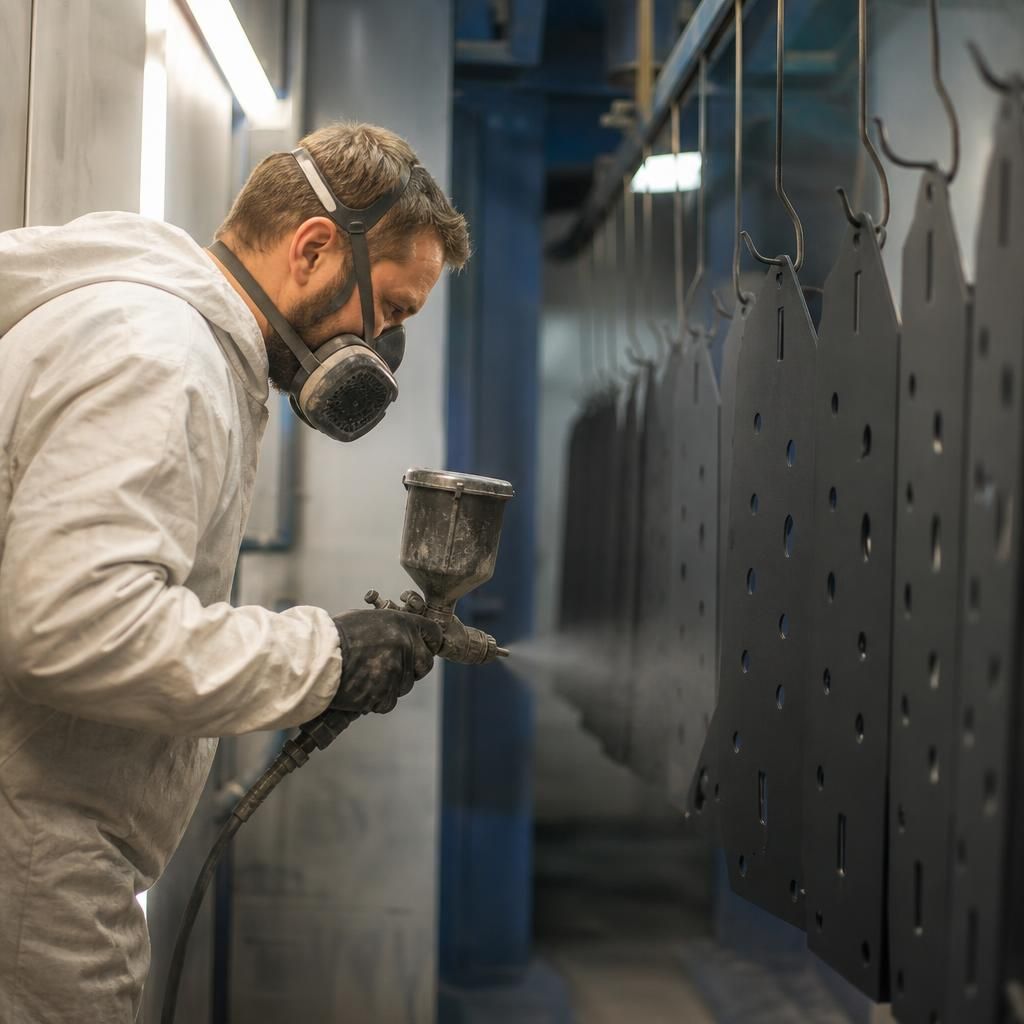
Powder Coating Process Breakdown: Step-by-Step Guide
Understanding the precise stages of the powder coating process is vital for achieving a resilient and visually appealing finish. This section outlines the step-by-step methodology, ensuring each stage is executed with precision to avoid common issues and failures.
Surface Preparation
Begin by rigorously cleaning and preparing the metal surface to remove any impurities such as oils, rust, or old coatings. This step is critical to ensure that the powder coating adheres effectively, forming a strong, uniform layer. Employ abrasive blasting techniques to achieve a clean, textured surface, which increases the bond strength between the metal and the coating.
Pretreatment Process
Following surface preparation, a pretreatment process is necessary to enhance adherence and corrosion resistance. This involves applying a conversion coating, such as zinc or iron phosphate, which creates a chemical layer that bonds with the metal surface, providing a superior foundation for powder coating.
Powder Application
Once the metal is prepped and pretreated, apply the powder coating using an electrostatic spray gun. This equipment charges the powder particles, causing them to adhere evenly across the sprayed surface. It is vital to maintain consistent spray patterns and distances to prevent variations in thickness that could compromise the coating's durability.
Curing Process
Transfer the coated components to a curing oven, where they should be heated at the precise temperature and duration specified for the powder type used. This process melts the powder into a uniform film, forming a robust, cross-linked layer once cooled. Accurate temperature control is essential to avoid under-curing or over-curing, both of which can lead to coating failures.
Quality Inspection
Upon completion of the curing process, conduct a thorough inspection of the finished surface. Check for defects such as pinholes, blisters, or inconsistencies in thickness. Any identified issues should be addressed promptly to maintain high-quality standards and to avoid costly reapplications.
Final Cleaning and Packaging
After passing the quality inspection, clean the coated components to remove any remaining powder dust or residue. Carefully package the items to prevent damage during transit, ensuring they reach their destination in perfect condition. A well-maintained delivery process upholds the integrity and appearance of the powder-coated finishes.
Mastering Powder Coating Integrity: Causes and Prevention
Powder coating failures can undermine the durability and aesthetic of metal components, making it crucial to understand both the causes and preventive measures. Common failure types include poor adhesion, orange peel texture, and pinholing, often resulting from inadequate surface preparation. Insufficient cleaning leads to contaminants like oils, rust, and debris, which hinder the powder’s ability to adhere properly. Employing comprehensive pretreatment procedures, such as thorough cleaning and effective blasting techniques, ensures a pristine surface ready for coating.
Beyond surface preparation, precise control during the application and curing phases is paramount. Variations in temperature or humidity within the coating environment can significantly impact the final finish, causing issues such as uneven coating or incomplete curing. Proper calibration and maintenance of curing ovens help maintain consistent heat distribution, eliminating any inconsistencies in the cure rate. Regular checks and calibration of equipment ensure optimal performance and reduce the risk of operational flaws that could affect the end results.
To sustain coating quality, adopting a proactive maintenance strategy for equipment like spray guns and conveyors is indispensable. Consistent inspection and servicing ensure all machinery remains in peak condition, preventing blockages or wear that could compromise application precision. This meticulous approach to process control not only improves the coating outcome but also minimises the need for costly repairs and rework, thereby enhancing overall operational efficiency and client satisfaction.
Key Advantage
Consistent and meticulous pretreatment prevents powder coating failures and ensures durable, high-quality finishes for industrial applications.
Common Questions About Powder Coating Failures
What are the most common causes of powder coating adhesion failure?
Proper surface pretreatment is crucial for preventing powder coating failures. Ensure surfaces are clean, free from contaminants, and appropriately blasted. This foundation supports adhesion, curing, and the coating's longevity.
How can temperature and humidity affect powder coating results?
Fluctuating temperature and humidity levels can lead to improper curing, causing powder clumping, uneven finish, or premature failure. Maintain controlled environments during application for optimal results.
What is the impact of improper surface preparation on powder coating durability?
Without thorough surface prep, contaminants like rust, oils, and grease can remain, compromising powder coating adhesion. This results in reduced durability and potential finish failures, necessitating rework and increased costs.
How can the powder coating pretreatment process prevent failures?
The pretreatment process ensures optimal surface cleanliness, removing contaminants and promoting strong adhesion. This step is vital to prevent future failures, enhance finish longevity, and maximise coating effectiveness.
What role does regular equipment maintenance play in preventing powder coating failures?
Regular equipment maintenance ensures all components operate efficiently, preventing blockages and wear that could lead to coating failures. Reliable machinery maintains application quality, reducing the likelihood of costly rework.
Explore Innovative Solutions for Powder Coating Challenges
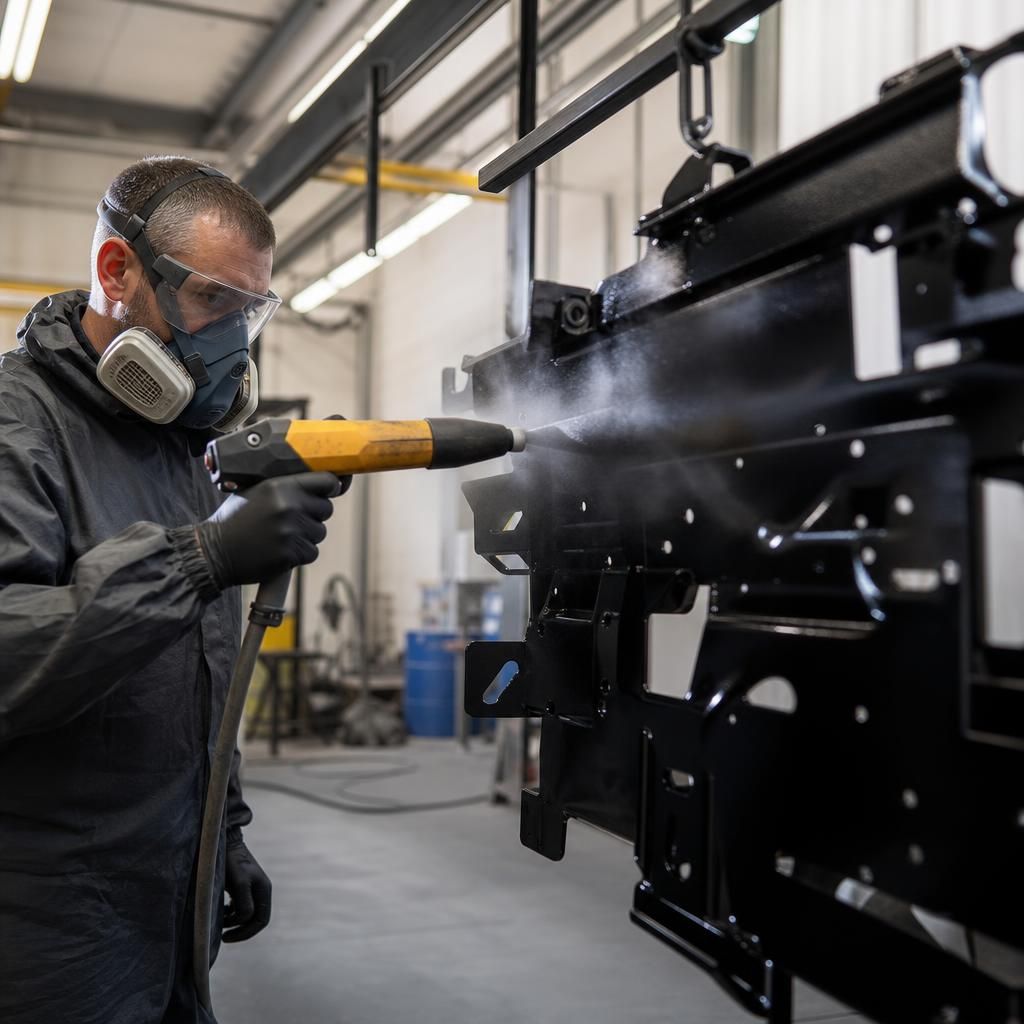
Thorough Surface Preparation
Proper cleaning and pretreatment of metal surfaces are fundamental in preventing powder coating failures. Ensure all contaminants are removed to facilitate strong adhesion and a durable finish.
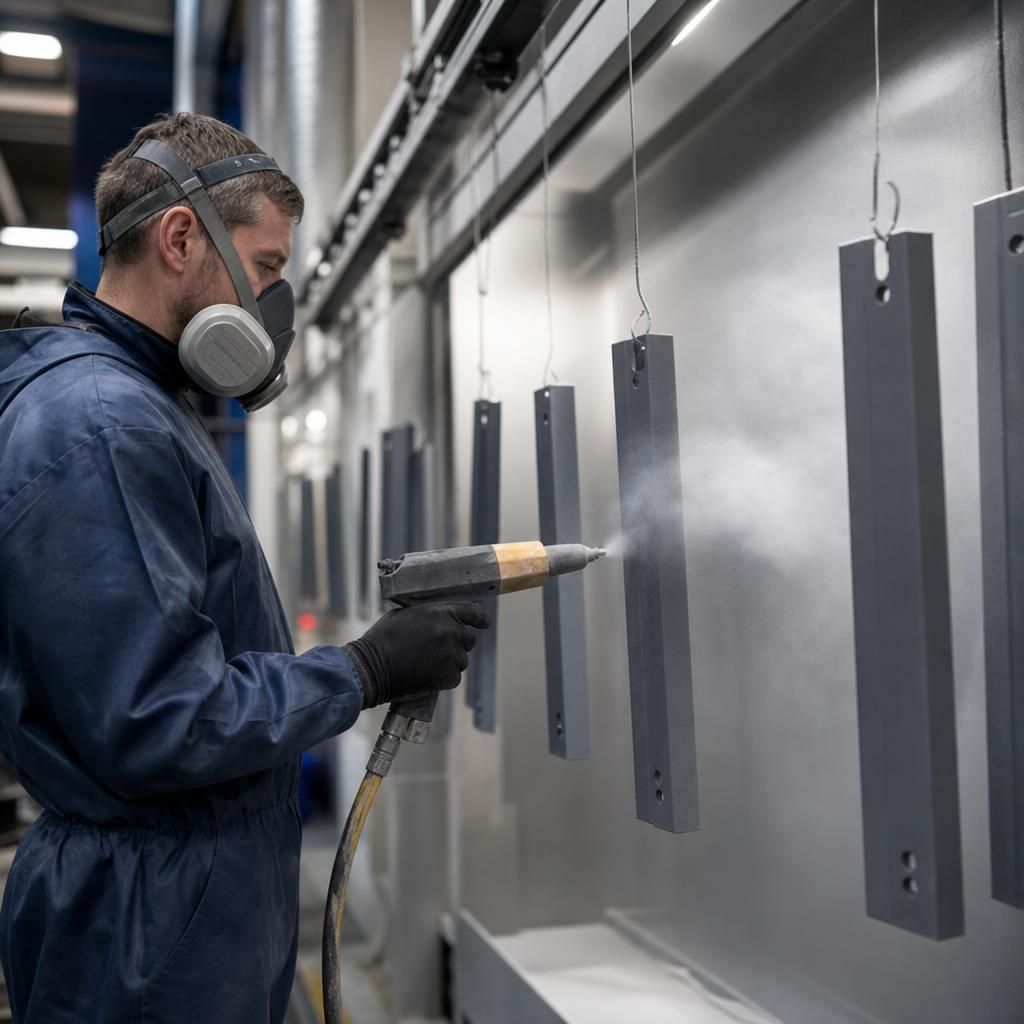
Controlled Curing Environment
Maintaining stable temperature and humidity levels during the curing process is essential. This helps avoid defects such as clumping, blistering, or incomplete curing of the powder coat.
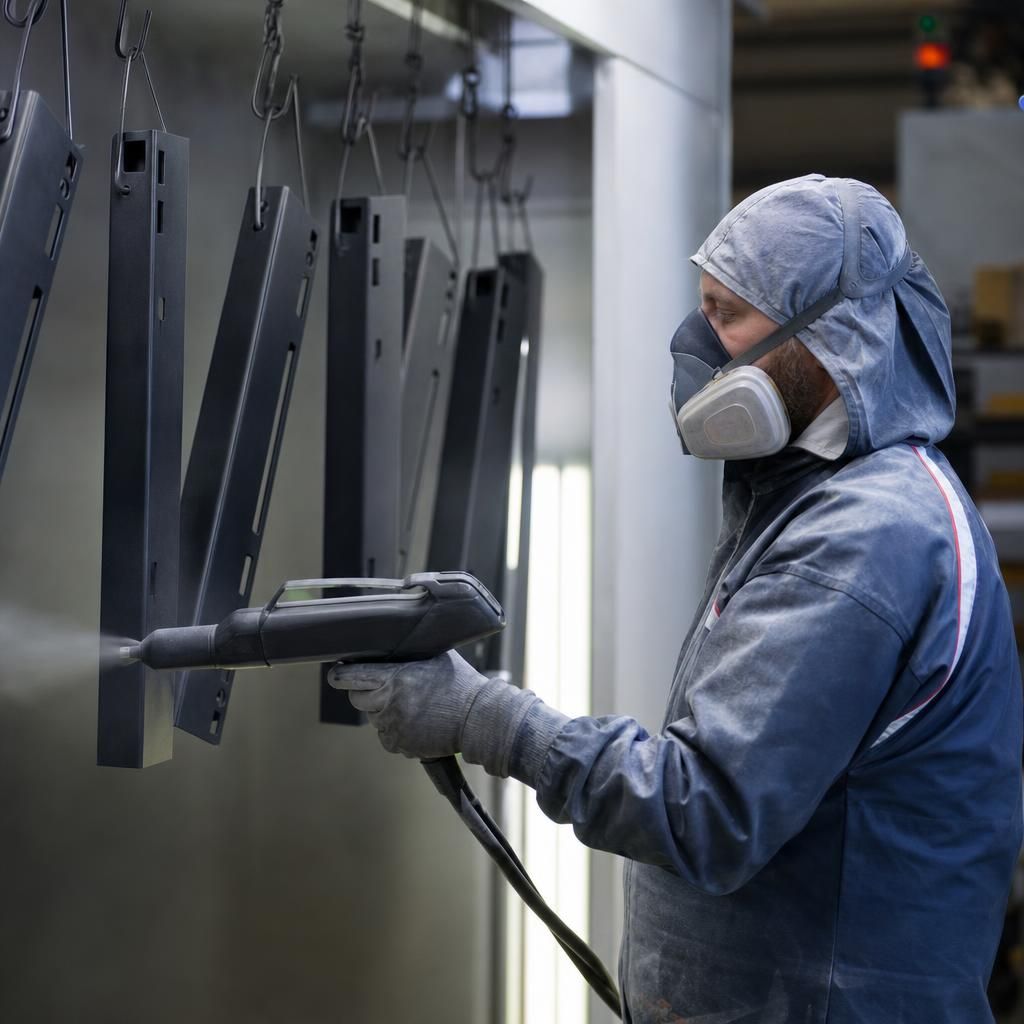
Regular Equipment Maintenance
Inspect and maintain coating equipment regularly to prevent application errors. Functional spray guns and intact conveyor systems are crucial for consistent quality.
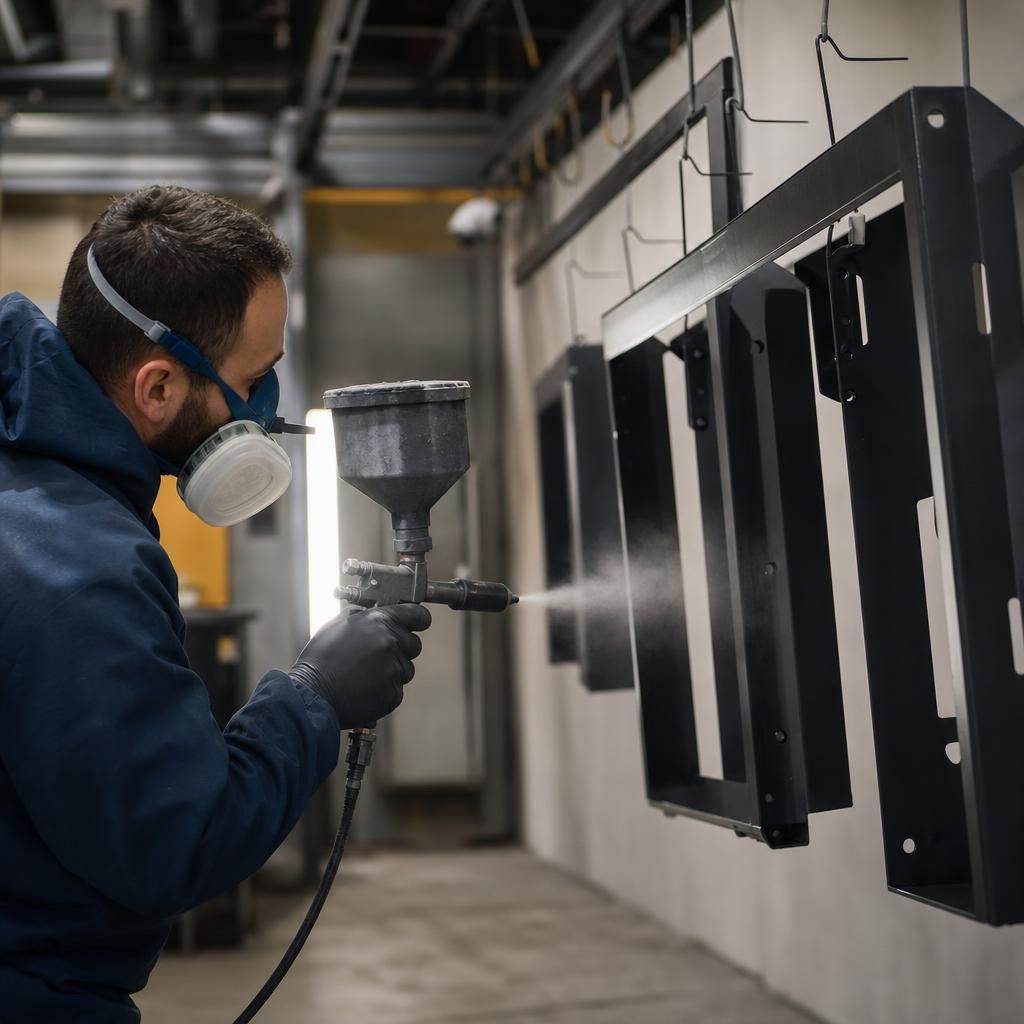
Adhesion Testing Procedures
Conduct adhesion tests post-coating to ensure effective bonding. This can help identify issues early and prevent costly rework or failures in the field.
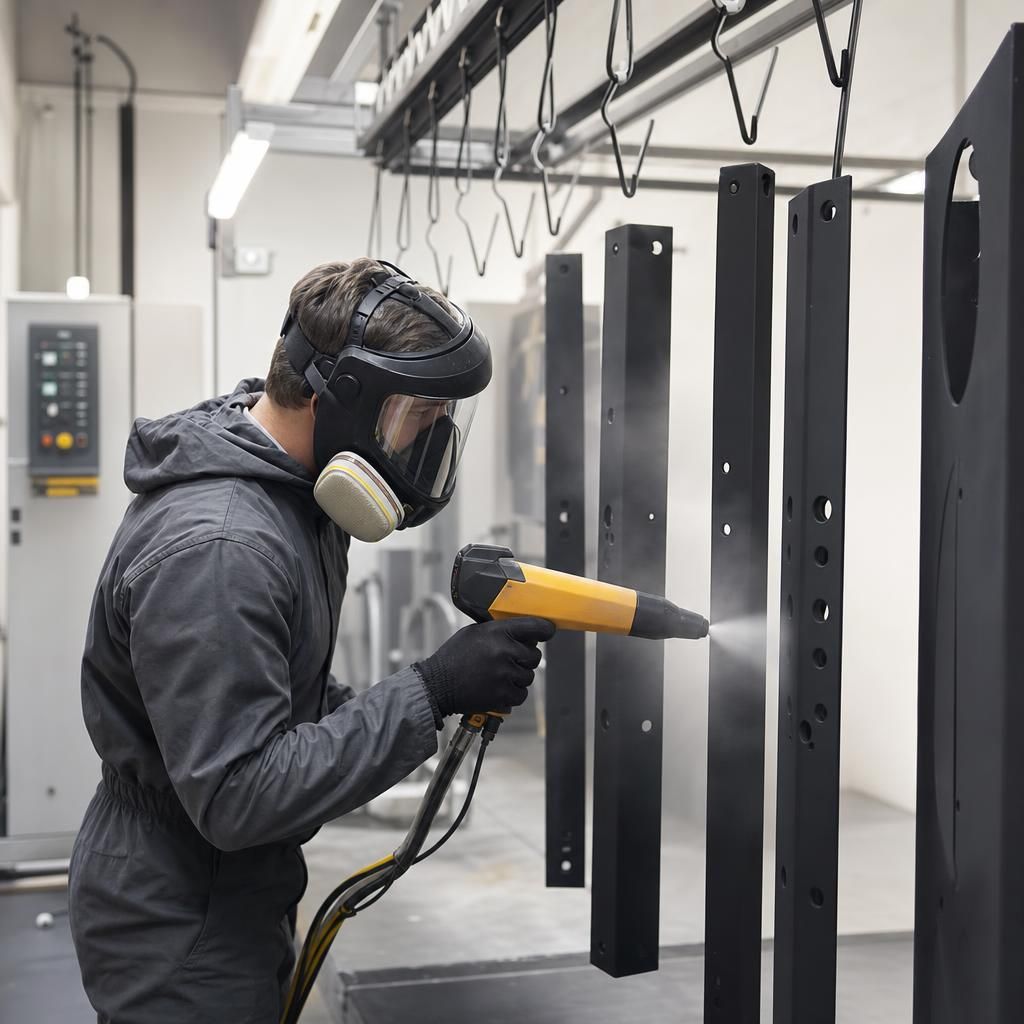
Oven Calibration Checks
Regular oven calibration checks are vital. Inconsistent heat can lead to uneven finishes or reduced coating performance, so ensure the equipment is regularly verified.
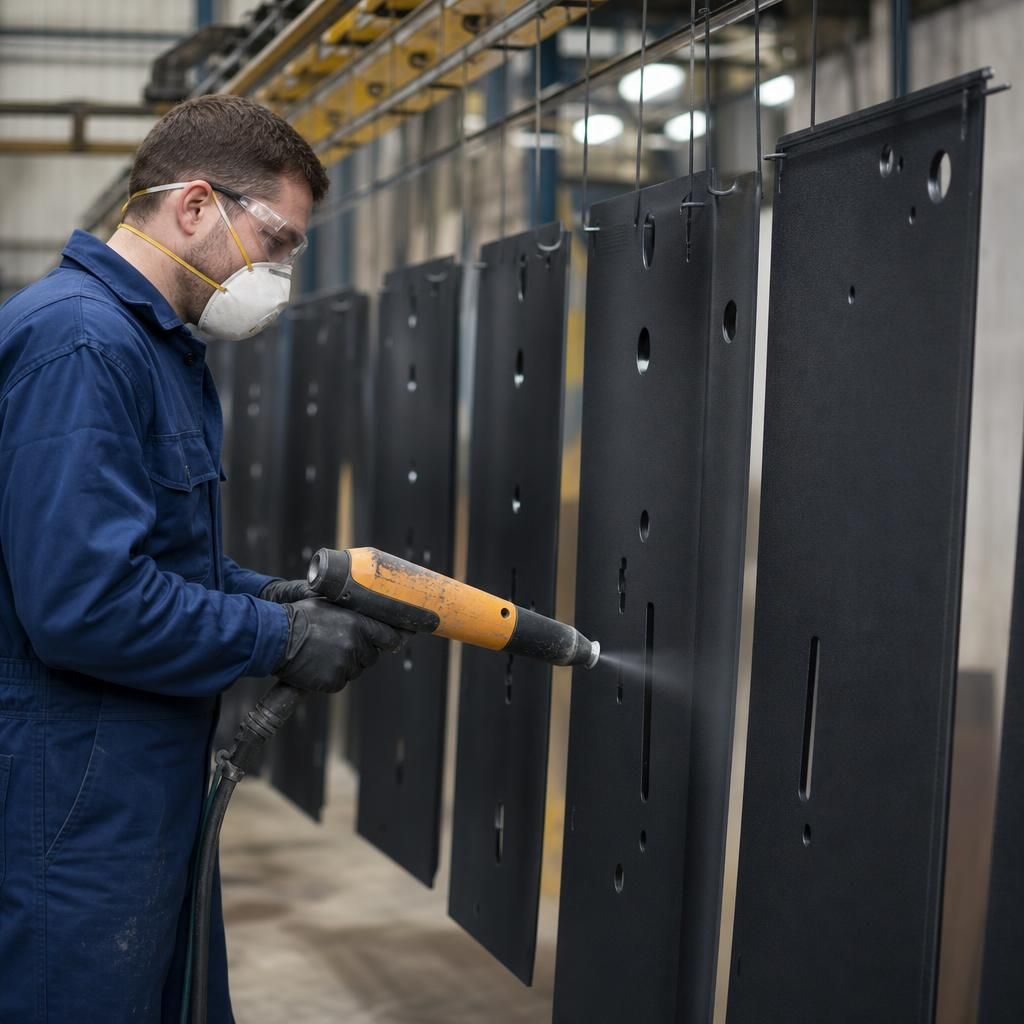
Explore Specialist Coating Options
Consider applying specialty coatings like nylon or protective types for specific applications. These options offer enhanced durability and protection tailored to particular industrial needs.
Key Questions to Ask About Powder Coating Failures
What are the most common environmental conditions that could lead to powder coating failures, and how can they be controlled during the application process?
Inadequate surface preparation causes powder coating to fail by leaving contaminants that hinder adhesion. Proper cleaning and blasting are essential to remove oils and rust, ensuring a strong, durable finish.
How does inadequate maintenance of coating equipment contribute to powder coating failures, and what measures should be implemented to ensure optimal equipment performance?
Regular inspection and maintenance prevent equipment wear and blockages, ensuring consistent coating application. Calibrating spray guns and conveyors optimises performance, reducing the risk of application defects and ensuring long-lasting finishes.
How do temperature fluctuations during the curing process affect powder coating outcomes, and what steps can be taken to ensure temperature consistency?
Temperature fluctuations can cause incomplete or uneven curing, resulting in weak or defective finishes. Ensure consistent oven calibration and monitor environmental conditions for uniform heat distribution during curing.
What role does the quality of powder coating materials play in preventing coating failures, and how can one ensure they are using the best materials for their application?
Utilising high-quality powder coating materials is crucial for preventing failures. Ensure product consistency and reputable sourcing, and always verify compatibility with the intended application and substrate for optimal results.
How important is pretreatment in the powder coating process, and what key steps must be taken to ensure its effectiveness in preventing failures?
Effective pretreatment is crucial for powder coating adhesion, involving meticulous cleaning, degreasing, and abrasive blasting to remove contaminants, ensuring a robust bond and preventing coating defects and failures.