
Troubleshooting Powder Coat Primer
Explore efficient solutions to common powder coat primer issues. This section outlines typical challenges, provides practical troubleshooting steps, and ensures optimal outcomes for your metal finishing projects. Enhance the durability and quality of your finishes with confidence.
At Powder Coatings Ltd, our powder coating procedure combines over 50 years of experience with ISO 9001 approved quality systems to deliver reliable, durable, and high-performance finishes for industrial and commercial applications. From detailed surface preparation and electrostatic powder application through to precision oven curing, every stage is carefully controlled to achieve outstanding coating quality and long-term protection.
Established Over 50 Years
Trusted powder coating specialists serving UK industries since 1972.
ISO 9001 Approved Quality
Full traceability and strict quality control procedures on every project.
Fast Turnaround Times
72-hour turnaround with optional 24-hour express coating service.
Specialist Powder Coating Solutions
Advanced coatings and technical expertise for complex industrial applications.
Common Primer Defects and Their Solutions
Primer issues in powder coating can often manifest as adhesion failures, rust spotting, or uneven finishes. Understanding these common defects is crucial to diagnosing and solving the problem. Surface contamination, incorrect curing temperatures, or poor application procedures are typical culprits that must be considered.
Identifying the root cause is the first step in troubleshooting. For instance, poor adhesion may require a review of pre-treatment processes, ensuring the metal surface is clean and free of oils or debris. Evaluate equipment settings and curing cycles meticulously to match the specifications of the primer used.
Implementing regular quality checks throughout the coating process can prevent issues from escalating. By fine-tuning application techniques and maintaining equipment, you can confidently achieve a high-quality finish every time. Reach out to experienced professionals if persistent issues occur, ensuring that specialised coatings like nylon or epoxy function as intended.
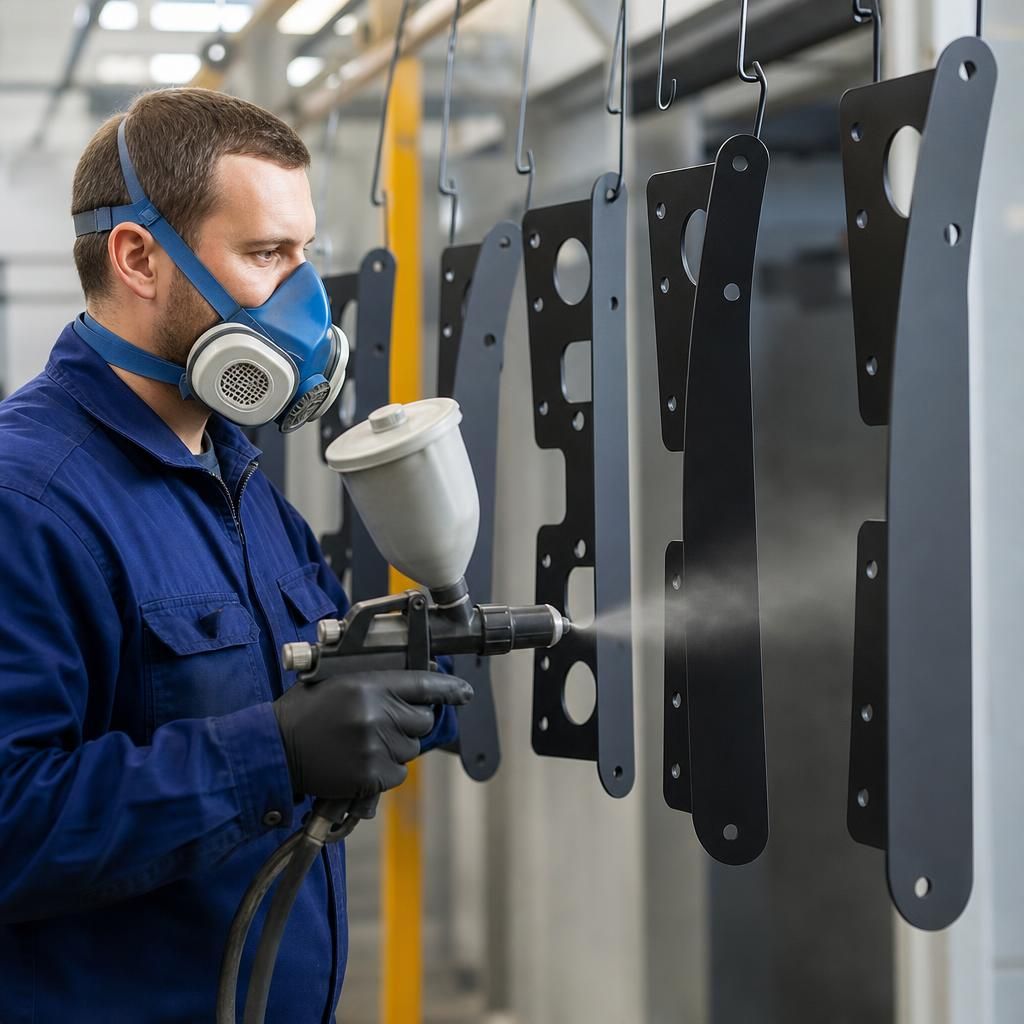
Step-by-Step Guide to Resolving Powder Coat Primer Issues
Understanding the troubleshooting process for powder coat primer issues ensures a smooth collaboration and effective problem resolution. Follow these steps to streamline your workflow, enhance finish quality, and confidently address any challenges encountered.
Review Surface Preparation
Ensure the metal surfaces are thoroughly clean and pre-treated correctly to promote optimal adhesion of the primer. Contaminants such as oils, rust, or dust can impact the quality of the finish, making it essential to use appropriate pre-treatment techniques such as degreasing or blasting.
Assess Equipment Settings
Verify that your equipment is calibrated to the recommended settings for the specific primer you are using. Incorrect electrostatic settings or gun-to-part distance can affect the consistency of primer application, potentially leading to uneven finishes or poor adhesion.
Check Curing Temperature and Time
Ensure that the curing oven is set to the precise temperature and duration required for the powder coat primer. Deviations in the curing process can result in under-cured or over-cured finishes, affecting the durability and efficacy of the protective layer.
Conduct Regular Quality Inspections
Implement routine inspections during the coating process to identify issues early on. Quality checks help in recognising faults like pinholes, orange peel, or colour inconsistencies, allowing for immediate corrective actions to maintain finish integrity.
Fine-Tune Application Techniques
Adjust application parameters such as spray pattern, speed, and live voltage settings to align with the specific demands of the coating job. Tailoring these factors can enhance the finish quality and help in achieving uniform coverage across various component sizes.
Consult Experienced Coating Professionals
For complex issues or repeated problems, consulting with experienced coating professionals can provide valuable insights and tailored solutions. Their expertise in specialist coatings like nylon or epoxy can be instrumental in refining processes and achieving desired outcomes.
Expert Insights on Powder Coat Primer Troubleshooting
Troubleshooting powder coat primer issues effectively requires a detailed understanding of the factors influencing primer performance. Primers serve as an essential component in the powder coating process, enhancing adhesion and providing a superior foundation for subsequent layers. Addressing issues such as inadequate adhesion or surface defects begins with a rigorous examination of surface preparation methods. Ensuring that metal components are meticulously cleaned and free from contaminants like oils or rust is crucial. Equally important is verifying that the curing temperature and time align with the technical specifications provided by the primer manufacturer.
When resolving primer challenges, it is beneficial to adopt a systematic approach. Begin with a complete review of equipment settings, including spray gun calibration and application techniques, to ensure the primer is applied uniformly and at the correct thickness. Regular maintenance of the application equipment is also vital to prevent inconsistencies. Additionally, periodic testing of curing ovens can ensure they are achieving the necessary thermal conditions for optimal primer curing, which is especially critical for specialist coatings like nylon or epoxy used for added durability.
Leverage expert advice to refine your powder coating process, enhancing both efficiency and finish quality. Engaging with experienced professionals for regular process audits can reveal subtle inefficiencies that may lead to primer issues. This proactive strategy not only enables the identification and correction of problematic factors but also empowers your business to maintain high standards consistently. Should troubleshooting become complex, seeking specialized guidance ensures that your coatings achieve the intended performance, elevating the quality and reliability of your services across all industrial applications.
Expert Solutions
Resolve powder coat primer issues efficiently to enhance metal finishing quality, ensuring reliable performance across industrial applications. Rely on expert guidance.
Common Powder Coat Primer Queries Answered
What are the most common causes of powder coat primer adhesion failures and how can they be prevented?
Ensure the metal surface is clean and free of contaminants. Thoroughly review your pre-treatment and curing processes to match the primer specifications for optimal adhesion and finish quality.
What steps should be taken if there are uneven finishes in the powder coat primer application?
For uneven finishes, verify even coverage during the application process, ensuring equipment is properly calibrated. Adjust spraying distance and angle, and confirm consistent layer thickness to achieve uniform results.
How can I identify and resolve rust spotting issues in powder coat primer applications?
Inspect the primer surface for contaminants and ensure a complete, uniform coating. Consider using zinc primer for enhanced corrosion resistance, following manufacturer instructions to prevent rust spotting effectively.
What solutions are available if the powder coat primer blisters during curing?
Ensure a thorough pre-treatment to remove contaminants and apply consistent powder thickness. Adjust curing temperature and time according to specifications to minimise blistering during the curing process.
What are the best practices for preventing powder coat primer pinholing during application?
Ensure the substrate is meticulously cleaned and dried, check for optimal spraying pressure, and maintain correct coating thickness. Proper airflow during curing helps to minimise pinholing in primer layers.
Explore Uncommon Primer Solutions
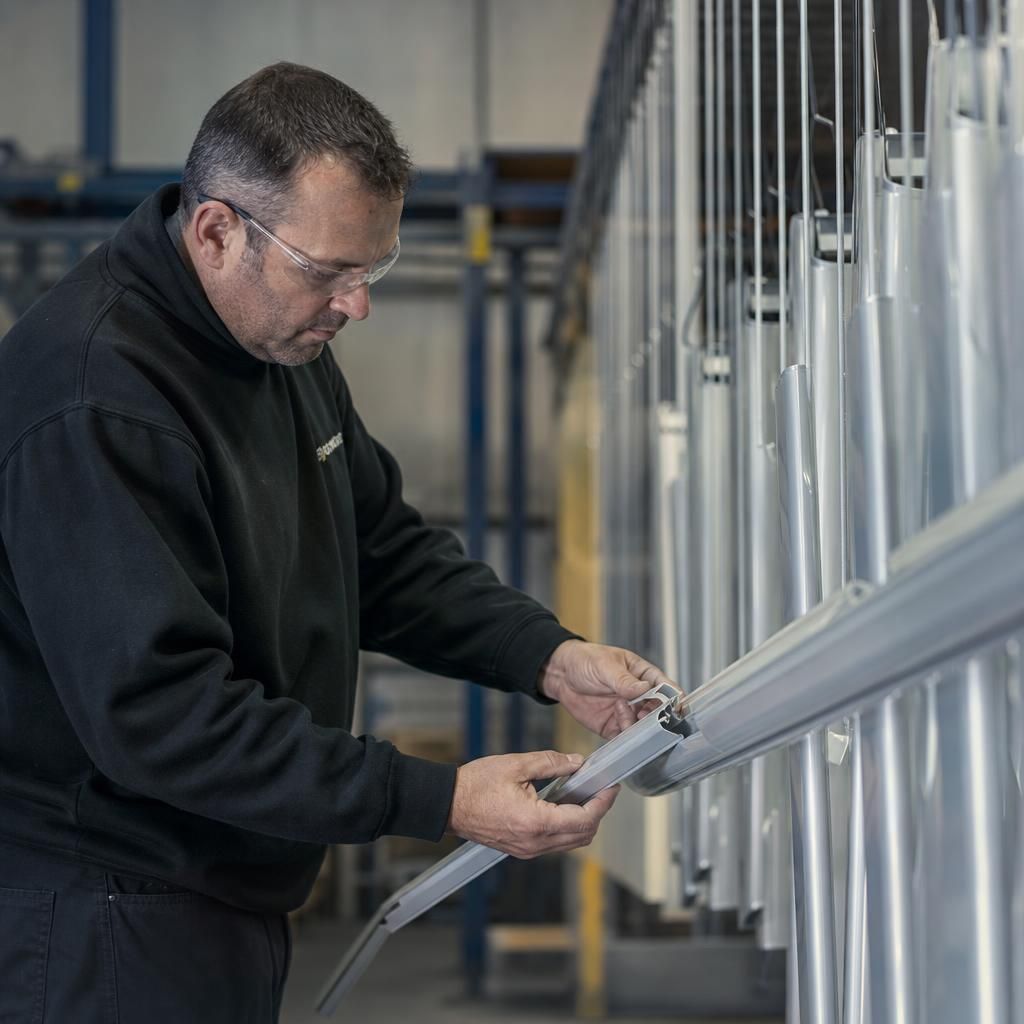
Optimising Primer Thickness
Achieving the correct primer thickness is crucial for effective adhesion and durability. Too thin a coating can lead to incomplete coverage, while an excessively thick layer may cause peeling or cracking. Use precise thickness gauges for accuracy.
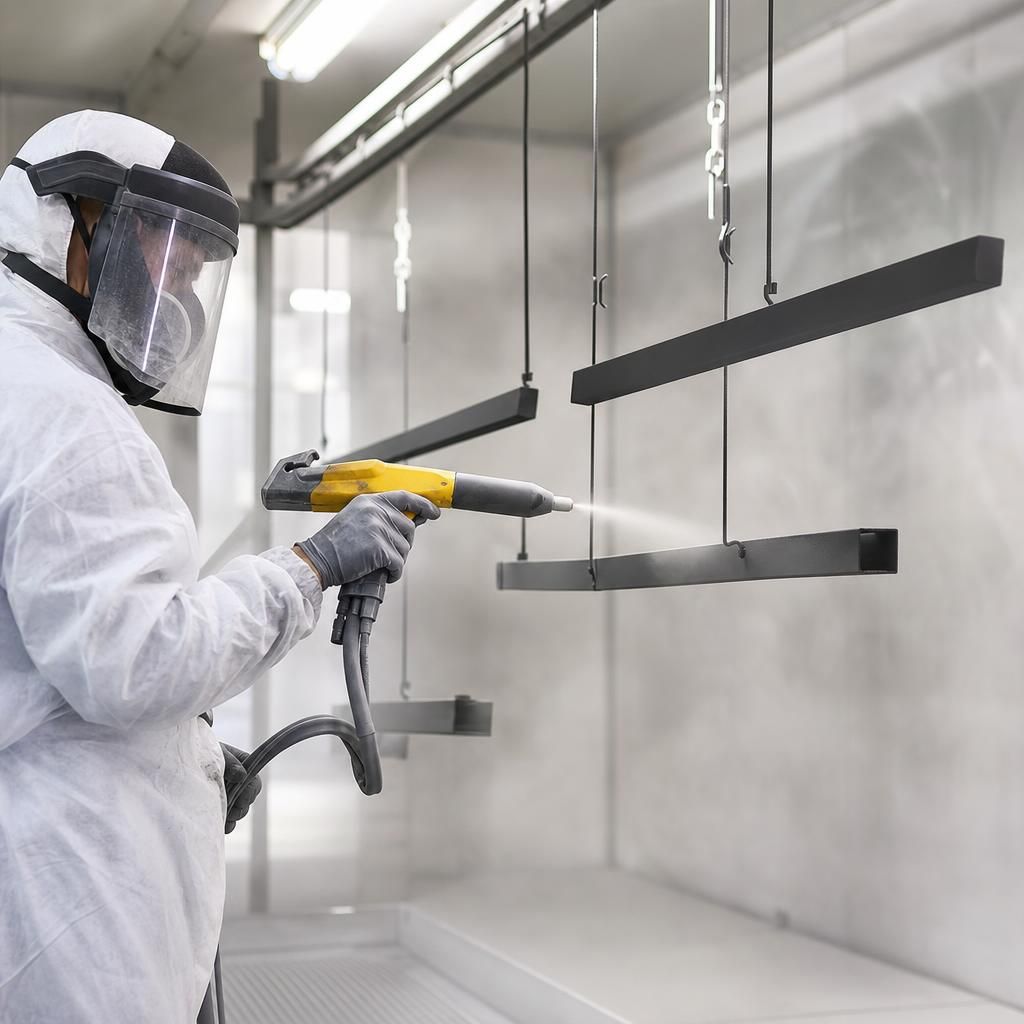
Surface Preparation Techniques
Proper surface preparation is key in preventing primer issues. Ensure surfaces are free from contaminants such as oils or rust. Employ blasting or chemical cleaning methods for optimal substrate readiness.
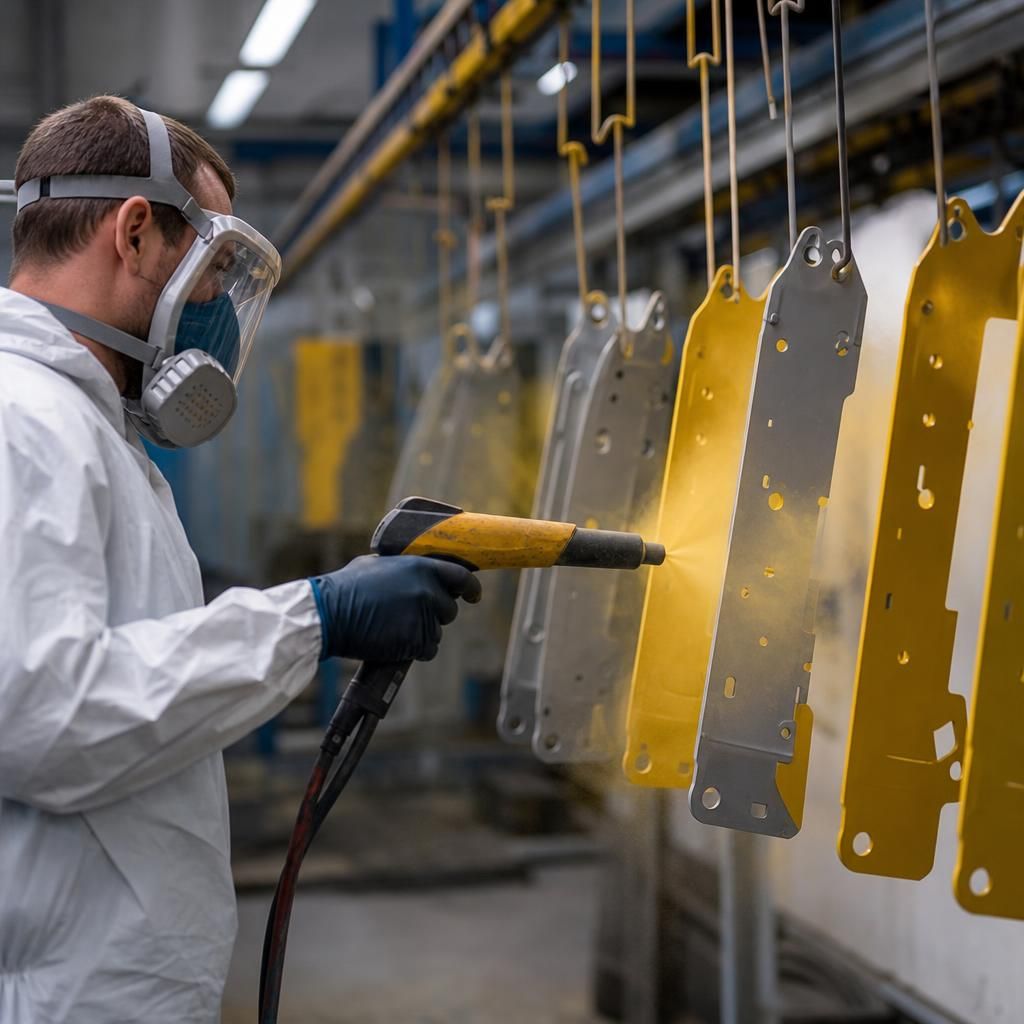
Selecting the Right Primer
Each substrate demands a specific type of primer. Be guided by the material’s requirements—whether aluminium, steel, or galvanised metal—ensuring compatibility and long-lasting adherence.
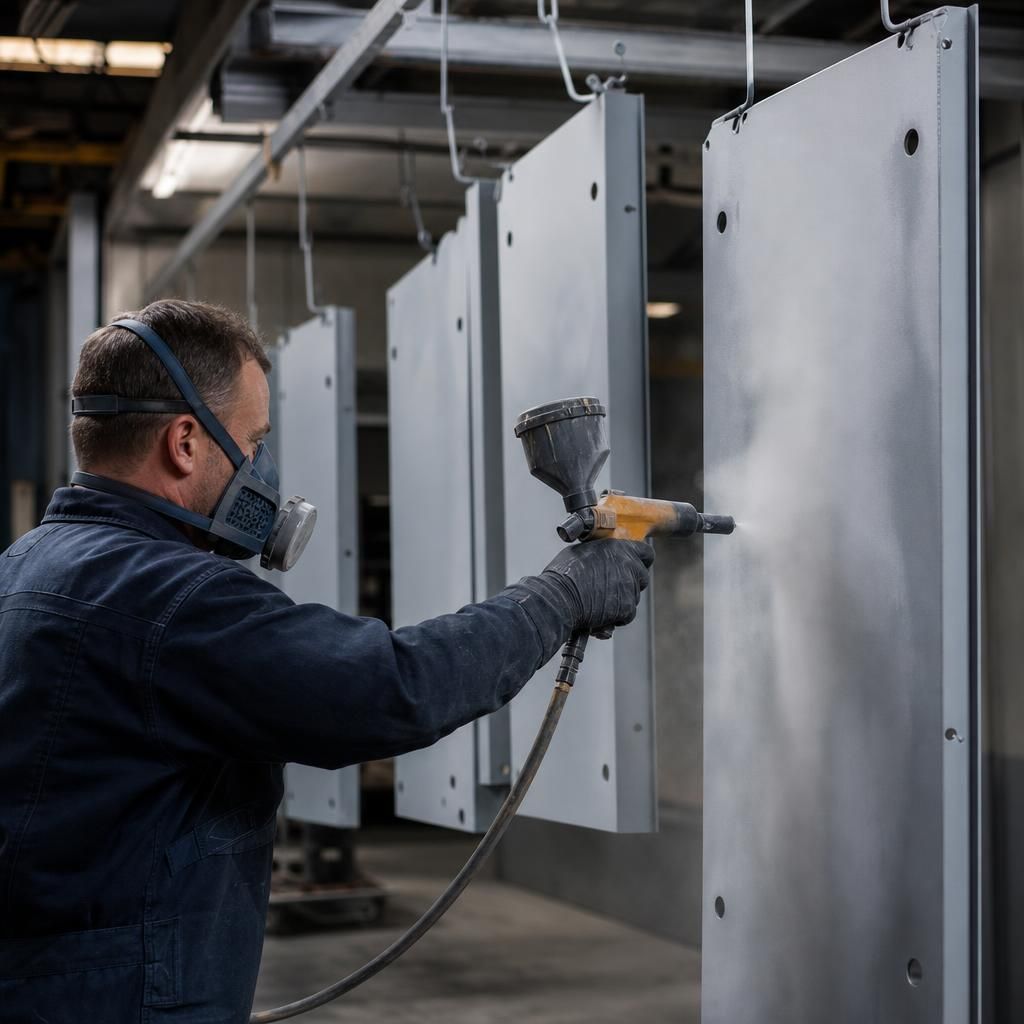
Curing Temperature Control
Monitor curing temperatures meticulously. An incorrect temperature can lead to improper setting of the primer, affecting finish quality. Use reliable temperature probes and controls for precision.
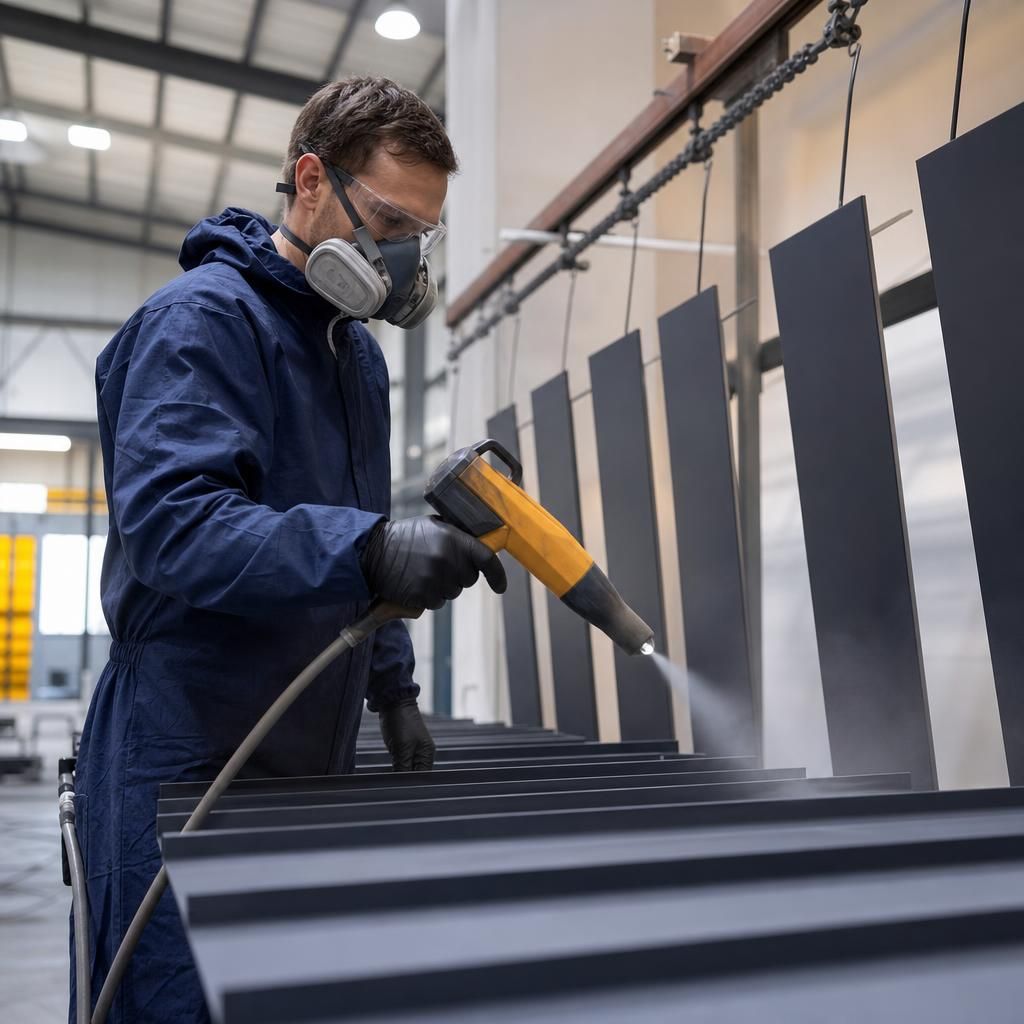
Quality Assurance Practices
Regular inspections throughout the powder coating process catch potential problems early. Implement quality control checks to maintain standards and avoid defects in primer application.
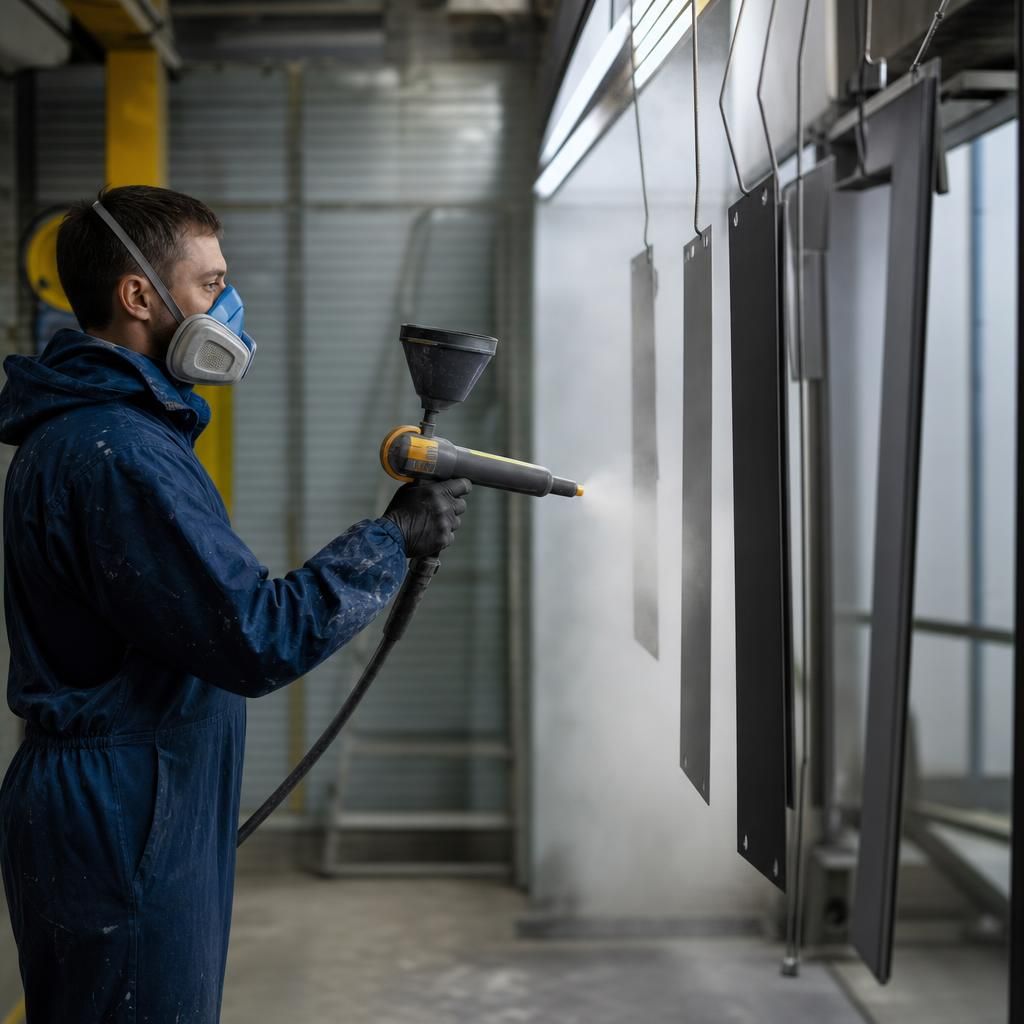
Expert Consultancy and Troubleshooting
Consulting with experienced professionals can provide insights and solutions to persistent primer challenges, especially when dealing with specialised coatings like nylon. Their expertise ensures you achieve optimal results.
Key Questions for Choosing the Right Powder Coat Primer
What are the key factors to consider when selecting a powder coat primer for different metal substrates?
Ensure the primer is compatible with your substrate material and specific application requirements, maintaining optimal curing conditions and thorough surface preparation for a durable, high-quality finish.
How can you identify and correct common surface contaminants that affect powder coat primer adhesion?
Thoroughly clean surfaces using degreasers, abrasives, or chemical treatments to remove oils, residues, and impurities. Conduct adhesion tests to verify cleanliness, enhancing primer bond and ensuring defect-free finishes.
How can you ensure optimal curing conditions for powder coat primers to prevent common defects?
Monitor temperature and time settings closely to adhere to the primer’s technical specifications, ensuring uniform curing across surfaces. Regular calibration of equipment prevents inconsistencies, enhancing finish quality and defect reduction.
What are the best practices for preventing rust spotting and ensuring long-term durability in powder coat primer applications?
Ensure substrates are thoroughly cleaned and pre-treated before application, and use corrosion-resistant primers, like zinc-rich options, to prevent rust and enhance durability. Implementing regular inspections also ensures long-term performance.
What advanced techniques can be employed to troubleshoot and rectify recurring powder coat primer defects effectively?
Utilise non-destructive testing methods, like ultrasonic or thermal imaging, to identify hidden defects. Regularly reviewing powder batch consistency and adjusting equipment settings optimises application precision and reduces recurrence.
Enquire Now for Expert Powder Coating Solutions
Need expert solutions for your powder coat primer challenges? Ensure flawless, durable finishes for your industrial metal projects by contacting us today. Our team provides specialised guidance tailored to your coating needs, optimising both efficiency and quality outcomes.