
Optimal Temperatures for Powder Coating
The optimal temperatures for powder coating are crucial for achieving durable finishes on metal components. Understanding these temperatures ensures high-quality, heat-resistant coatings suitable for industrial applications. This guide focuses on the necessary temperatures throughout the powder coating process to maximise performance and reliability.
At Powder Coatings Ltd, our powder coating procedure combines over 50 years of experience with ISO 9001 approved quality systems to deliver reliable, durable, and high-performance finishes for industrial and commercial applications. From detailed surface preparation and electrostatic powder application through to precision oven curing, every stage is carefully controlled to achieve outstanding coating quality and long-term protection.
Established Over 50 Years
Trusted powder coating specialists serving UK industries since 1972.
ISO 9001 Approved Quality
Full traceability and strict quality control procedures on every project.
Fast Turnaround Times
72-hour turnaround with optional 24-hour express coating service.
Specialist Powder Coating Solutions
Advanced coatings and technical expertise for complex industrial applications.
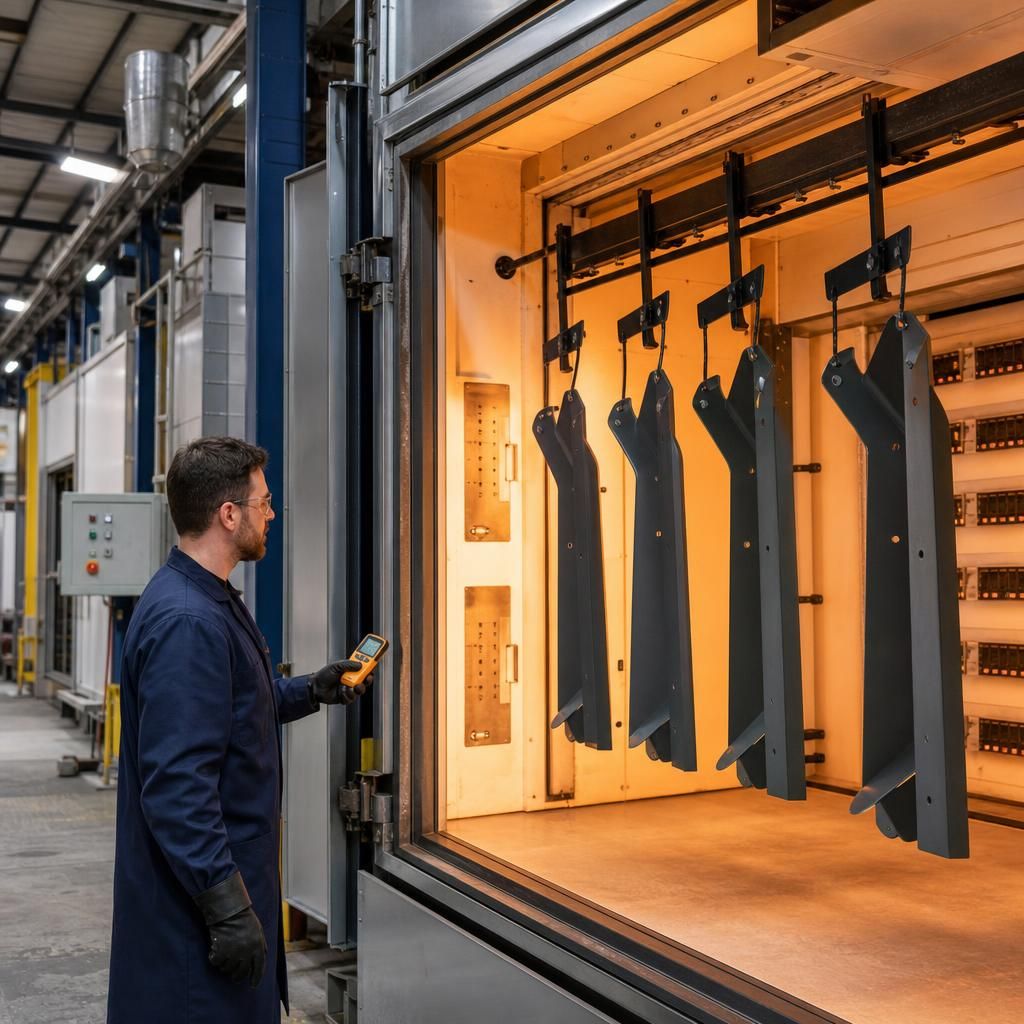
Understanding Optimal Oven Temperatures
High temperature powder coating ovens operate at carefully controlled temperatures to ensure effective curing of coatings on metal components. The typical temperature range for these ovens is designed to activate the powder’s chemical properties, creating a durable bond and finish resistant to heat and wear.
In industrial settings, the heating profile and duration are critical to achieving consistent quality. Both the substrate and the coating type can affect optimal temperature settings. For specialised applications, such as nylon or protective coatings, specific temperatures must be adhered to for minimising defects and maximising longevity.
Properly calibrated oven temperatures ensure the coating’s performance under harsh conditions. Midlands-based expertise can guide you in selecting the right temperature settings tailored for your industrial needs, ensuring the highest standards of durability and appearance.
Understanding the Powder Coating Process Steps
Exploring the stages of the powder coating process reveals how each step contributes to a perfect finish. From surface preparation to precise oven curing, understanding every phase is crucial for quality outcomes.
Surface Preparation
Surface preparation is paramount and involves cleaning and degreasing the metal components to remove impurities that could interfere with coating adhesion. Abrasive blasting is often employed to ensure an optimal surface profile for the powder to bond effectively.
Applying the Powder
The powder is applied electrostatically using a spray gun which imparts an electric charge to the powder particles. This charge causes the powder to adhere consistently to the grounded metal surface, providing uniform coverage that is crucial for durability and appearance.
Curing in the Oven
Once applied, the coated components are transferred into the curing oven. The oven temperature is carefully set to match the coating requirements, typically ranging from 160°C to 210°C. This step ensures the powder melts and cross-links, forming a hard, protective layer.
Cooling and Inspection
After curing, the parts are cooled in ambient air to allow the coating to set properly. Following this, a thorough inspection is carried out to check for uniformity, coverage, and defects. Only components meeting quality standards proceed to the next stage.
Packaging and Delivery
Finally, the finished components are packaged carefully to prevent damage during transport. Powder-coatings.co.uk offers bespoke packaging solutions and flexible delivery options across the Midlands, ensuring your order arrives safely and on time.
Expertise in High-Temperature Powder Coating Ovens
High-temperature powder coating ovens are essential tools in achieving optimal finishes for metal components. Operating these ovens at the correct temperatures is crucial as it activates the powder’s chemical properties, enhancing its durability and resistance to wear and heat. This requires a precise understanding of how different coatings and substrates respond to specific heat levels, ensuring each coating is cured effectively for the intended industrial application.
Our expertise draws from extensive experience in tailoring temperature settings for a diverse range of industrial requirements. Specialised coatings, such as nylon or those used in protective applications, demand meticulous attention to temperature details to prevent defects and achieve longevity. At Powder-coatings.co.uk, we prioritise tailored solutions that consistently meet the highest standards of strength and appearance necessary for applications in manufacturing, construction, and the automotive sector.
Entrusting your high-temperature powder coating needs to a specialist service provider ensures that you receive guidance grounded in proven industry practices. Our Midlands-based team is adept at calibrating oven settings to optimise performance no matter the complexity of your project. For businesses seeking reliability and excellence in their finishing processes, our expertise offers the strategic advantage needed to deliver premium results.
Precision Heat
Achieve exceptional coating performance with precision-calibrated high temp ovens for premium, industrial-grade finishes.
Frequently Asked Questions about High Temp Powder Coating Ovens
What is the ideal temperature range for curing high temp powder coatings?
High temp powder coating ovens use precisely controlled heat to cure coatings, ensuring durable, heat-resistant finishes. Maintaining optimal temperatures is key to preventing application defects and ensuring coating longevity.
How does oven calibration affect the quality of high temp powder coating?
Accurate oven calibration is crucial for consistent coating thickness, adhesion, and finish quality. Misalignment or errors can lead to uneven coatings and reduced heat resistance, compromising the performance of high temp coatings.
What factors determine the optimal temperature settings for different high temp powder coating applications?
Substrate material, coating type, desired finish, and component size impact optimal temperature settings for high temp powder coating, ensuring durability and precision across diverse industrial applications.
How do different metals respond to high temp powder coating oven conditions?
Different metals require specific temperature settings to ensure effective adhesion and finish. Factors like thermal conductivity and expansion rate influence how a metal responds, impacting coating quality under high-temperature conditions.
What are the safety considerations when operating a high temp powder coating oven?
Ensure proper ventilation, wear heat-resistant gloves, and follow manufacturer guidelines to prevent burns and equipment malfunction during oven operation. Regular maintenance checks can mitigate risks and enhance safety.
Exploring Innovative High Temp Coating Techniques
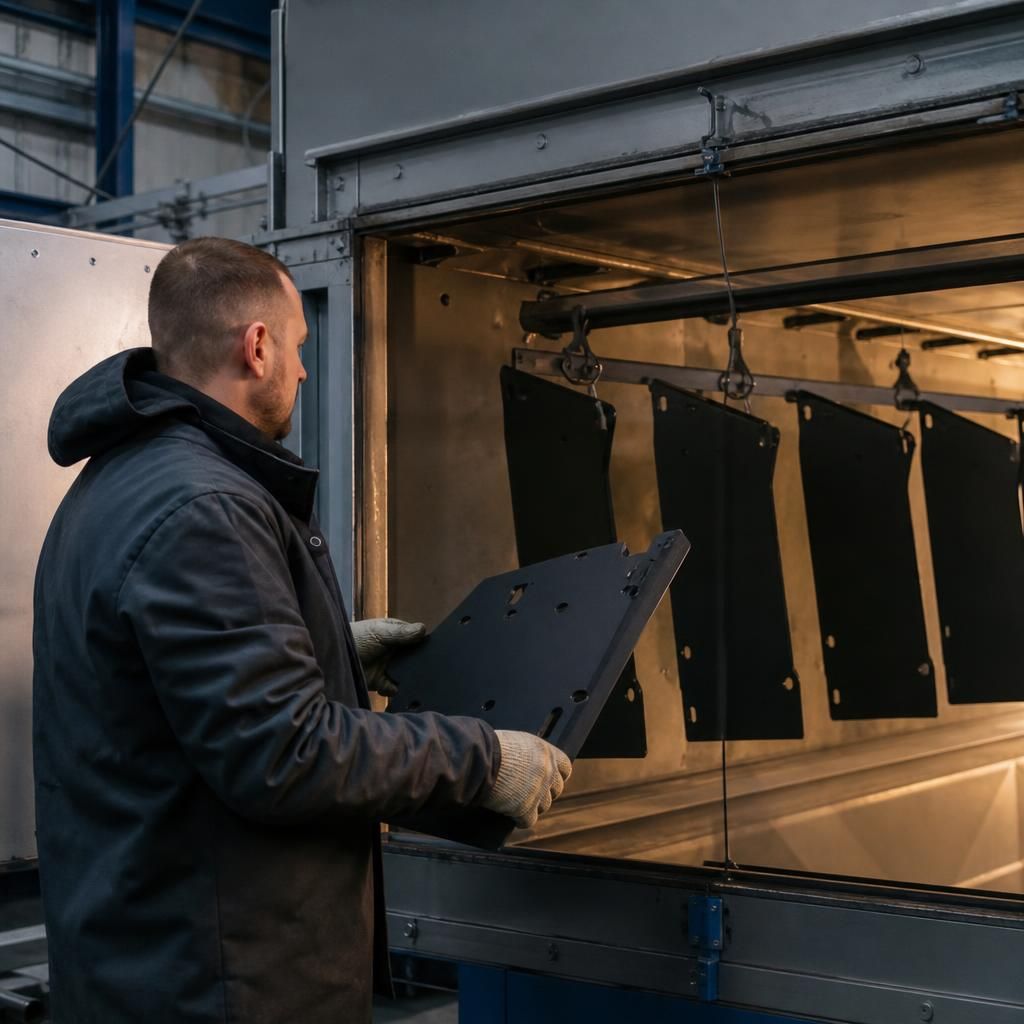
Optimising Heat Profiles
Learn about the specifics of heat profiles for uniform coating application, ensuring your metal components achieve perfect curing.
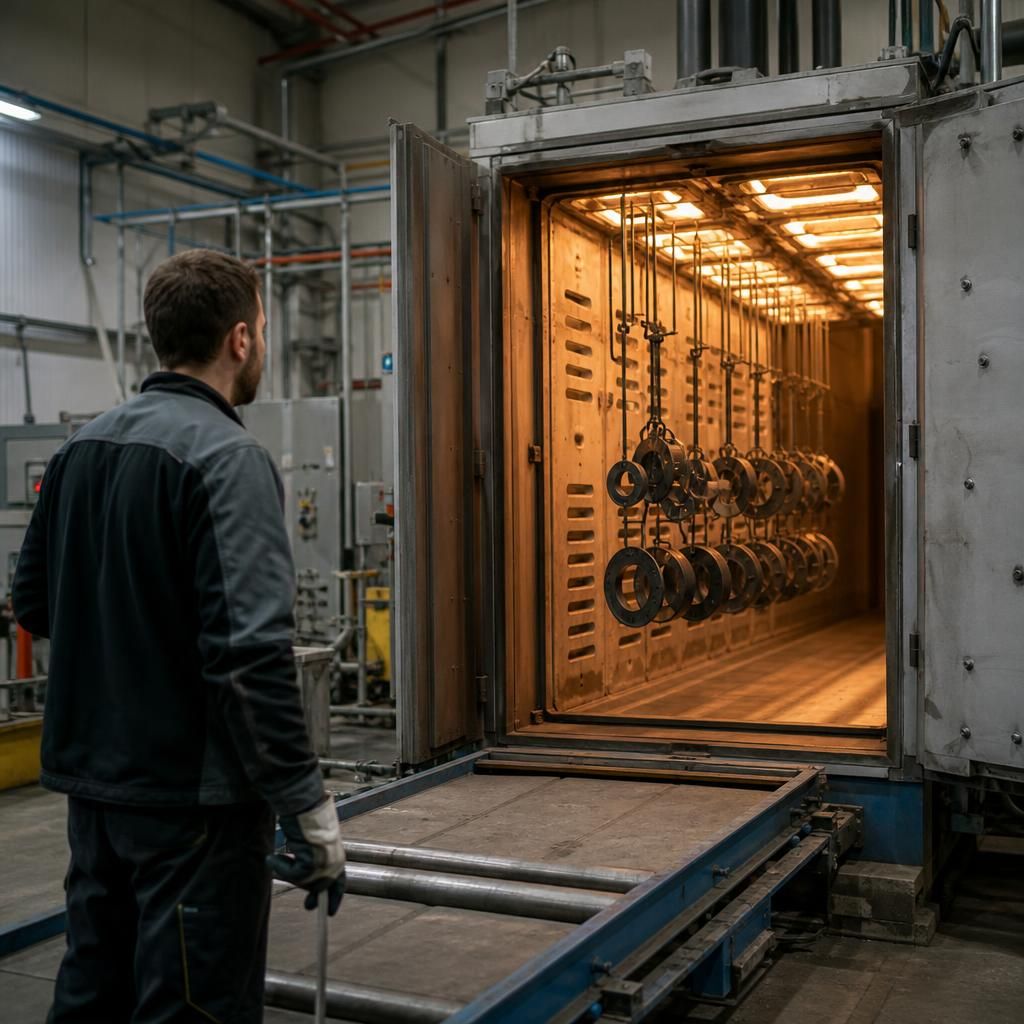
Nylon Coating Solutions
Explore the benefits of nylon coatings, known for their resistance to high temperatures and excellent durability in industrial applications.
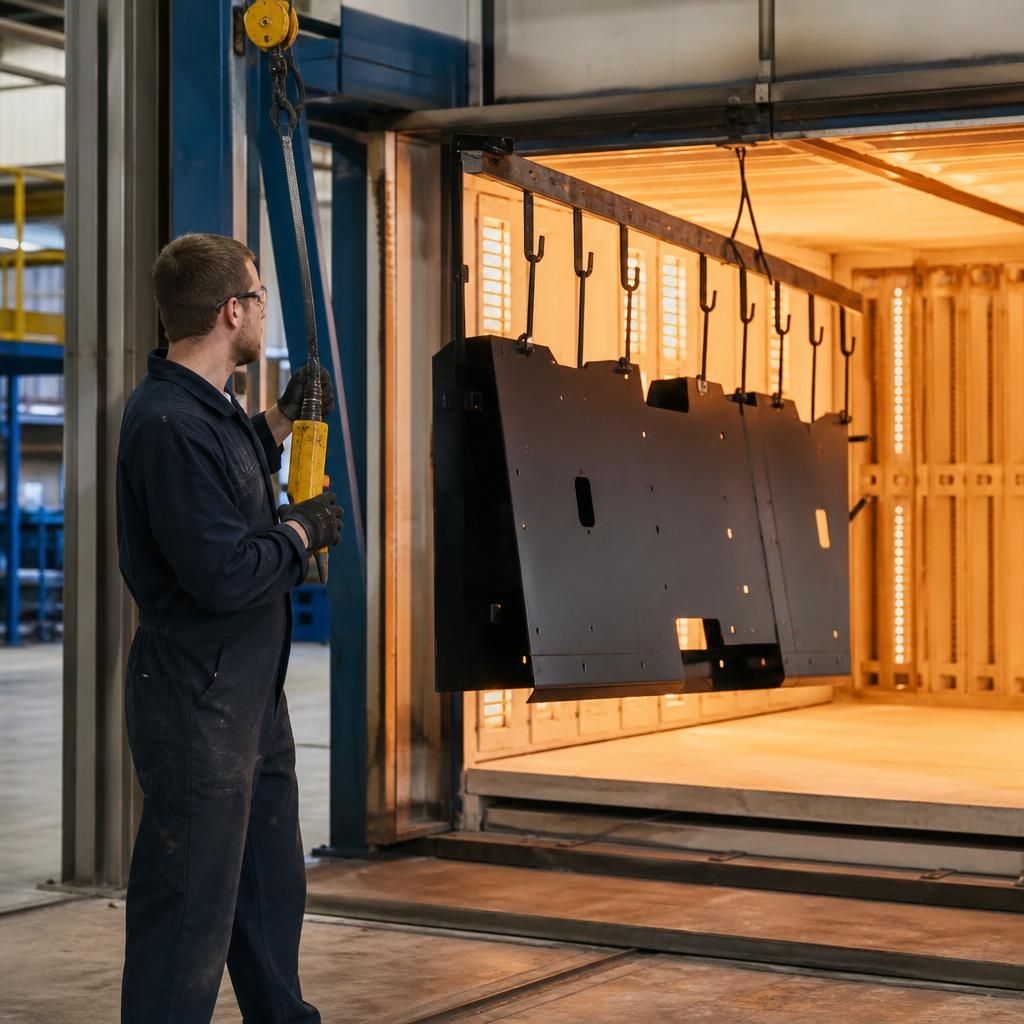
Controlled Curing Conditions
Discover how precise control over oven conditions enhances curing effectiveness, tailoring results to specific industrial needs.
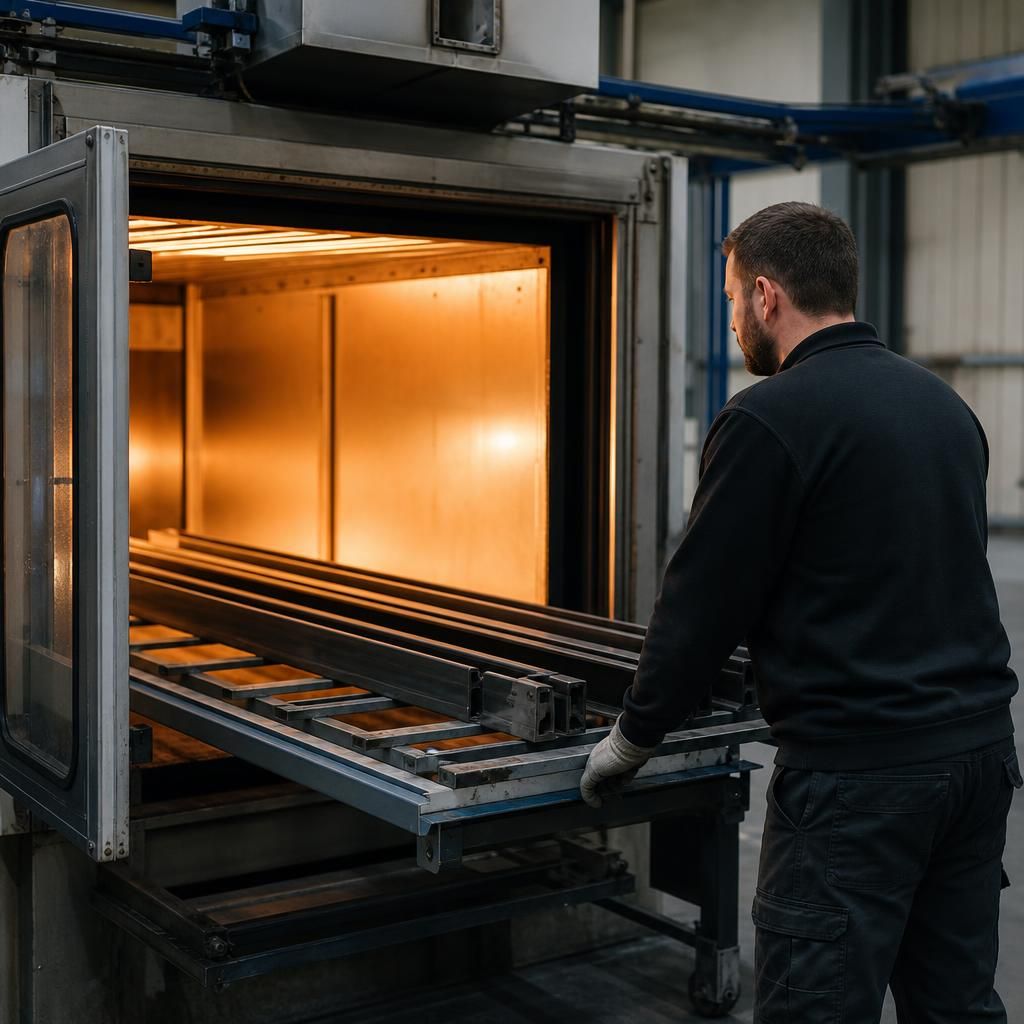
Batch Processing Advantages
Understand the efficiency of batch processing in industrial settings, allowing for consistent coating quality across large volumes of components.
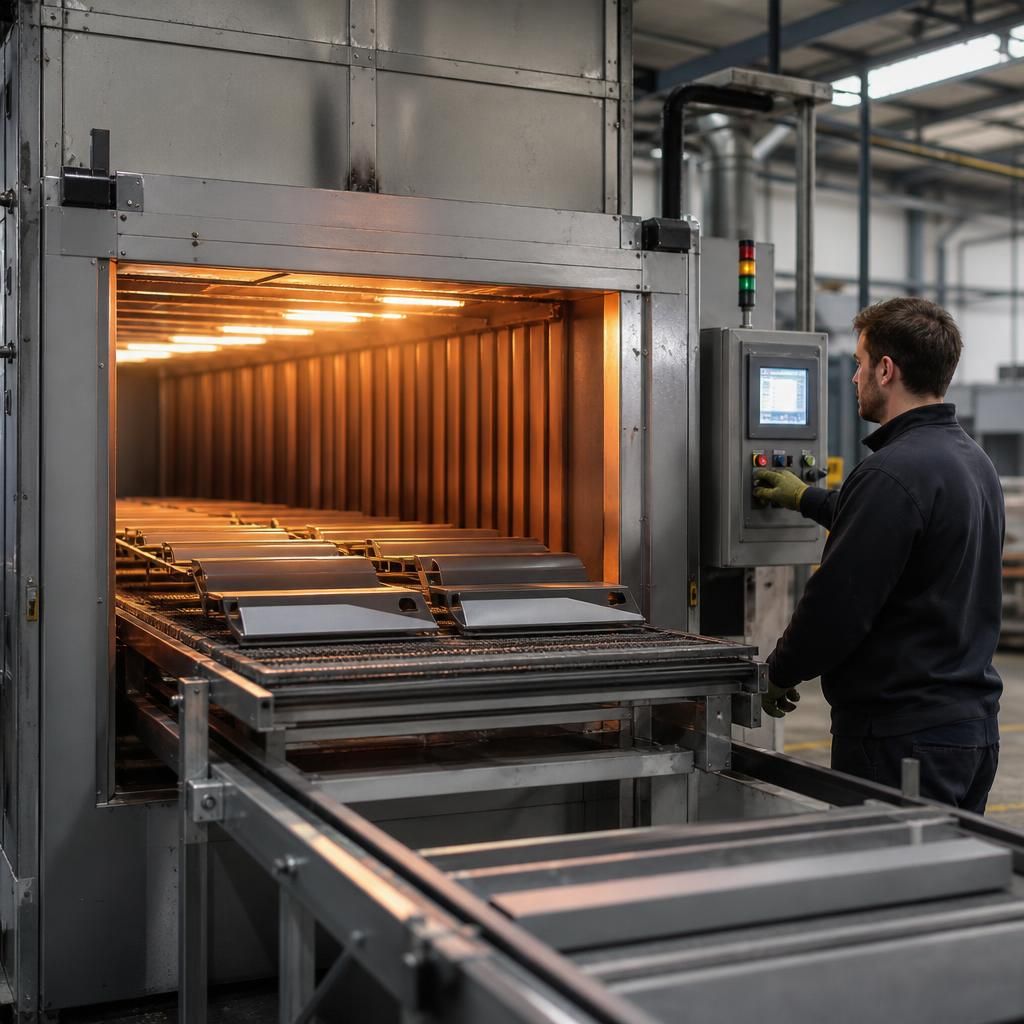
Automotive Application Expertise
Specialise in coatings that meet rigorous automotive standards, delivering high-performance finishes that withstand harsh conditions.
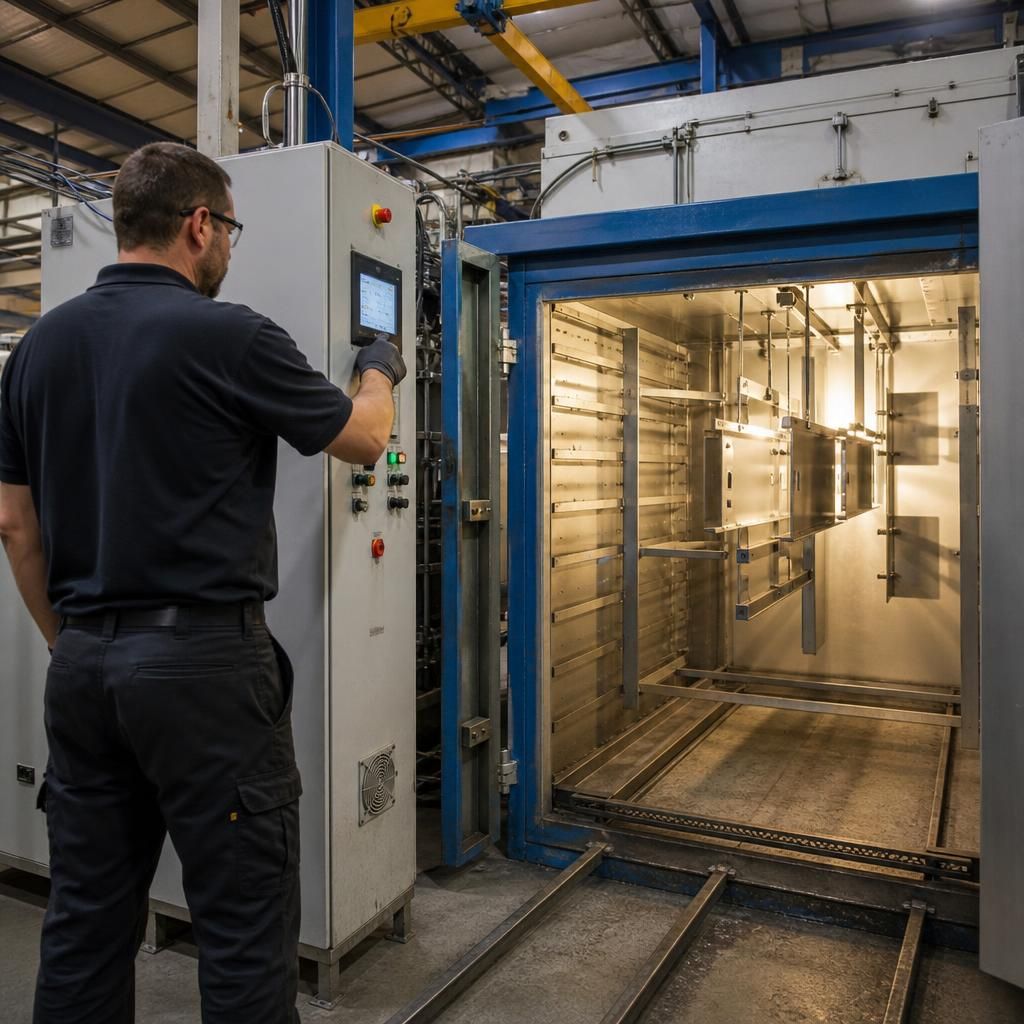
Protective Coatings for Construction
Ensure durable protection against the elements for construction materials with specialised heat-resistant coatings.
Essential Questions About High Temp Powder Coating Ovens
What is the recommended temperature range for curing different types of high temp powder coatings?
Ensure your oven temperature aligns with the specific powder coating type to prevent defects, enhance adhesion, and improve finish durability in high-temperature applications for industrial needs.
How does substrate material influence the oven temperature settings during the powder coating process?
Substrate material affects heat absorption and distribution; metals like aluminium may require different temperature adjustments compared to steel, ensuring optimal curing and adherence of powder coatings.
What maintenance processes are necessary to ensure optimal performance of high temp powder coating ovens?
Regularly clean heating elements, check temperature sensors for accuracy, lubricate moving parts, and inspect insulation. Consistent maintenance ensures efficient operations, optimal curing results, and extends the life of your oven.
How do variations in powder coating formulations impact the required oven temperature settings for effective curing?
Different powder coating formulations may necessitate specific temperature adjustments to activate their unique chemical properties, ensuring effective bonding and optimal durability on metal components in industrial settings.
What precautions should be taken to prevent temperature fluctuations during the powder coating curing process?
Ensure proper sealing of oven doors, maintain stable power supply, regularly monitor temperature settings, and use calibrated sensors to prevent any deviations that could compromise coating quality and adhesion.
Contact Our Experts for Tailored High Temp Solutions
Act now to refine your powder coating process. Contact our Midlands specialists for expert advice on tailoring oven temperatures to your specific needs, ensuring optimal durability and appearance of your industrial metal finishes. Secure superior results today.