
Protective Coatings for Steel
Steel protection through powder coatings offers a durable and robust solution against corrosion for various industries. Key benefits include a uniform finish, excellent adhesion, and environmental compliance. Ideal for sectors like automotive, construction, and fabrication, these coatings extend the lifespan of steel components.
At Powder Coatings Ltd, our powder coating procedure combines over 50 years of experience with ISO 9001 approved quality systems to deliver reliable, durable, and high-performance finishes for industrial and commercial applications. From detailed surface preparation and electrostatic powder application through to precision oven curing, every stage is carefully controlled to achieve outstanding coating quality and long-term protection.
Established Over 50 Years
Trusted powder coating specialists serving UK industries since 1972.
ISO 9001 Approved Quality
Full traceability and strict quality control procedures on every project.
Fast Turnaround Times
72-hour turnaround with optional 24-hour express coating service.
Specialist Powder Coating Solutions
Advanced coatings and technical expertise for complex industrial applications.
Comprehensive Steel Protection with Powder Coatings
Steel protection through powder coatings is an advanced process used to shield metal components from corrosion and environmental damage. This process involves applying a free-flowing, dry powder to a metallic surface, which is then cured under heat to create a hard, protective finish. Powder coatings are especially beneficial for industries like automotive, construction, and manufacturing, where durability and resistance to rust are critical.
Among the primary benefits of using powder coatings for steel protection are improved finish quality and performance. Unlike traditional liquid coatings, powder coatings provide a uniform appearance without runs or drips, ensuring consistent coverage. This method is also more environmentally friendly since it contains no harmful solvents and produces minimal waste. Additionally, powder coatings possess excellent adhesion properties that enable them to withstand harsh conditions, extending the lifespan of steel components in various applications.
When considering powder coating for steel protection, factors such as the type of powder, curing temperature, and surface preparation are worth noting. Options range from anti-corrosion coatings suitable for mild and stainless steel to more specialised selections, like chemical and heat-resistant finishes. Proper surface preparation, including abrasive shot blasting, enhances coating performance by removing contaminants and providing a rough profile for better adhesion. Selecting the right type of powder coating system and understanding its application can significantly impact overall protection and longevity.
Understanding Anti-Corrosion Powder Coatings for Steel
Steel protection involves applying durable powder coatings to prevent corrosion and enhance longevity. Powder coatings consist of a free-flowing, dry powder applied electrostatically to the steel surface. This process ensures a uniform, drip-free finish that is both visually appealing and functional. High-quality powder coatings are essential for industries like manufacturing and construction, where steel’s structural integrity is critical.
Powder coatings offer several advantages over traditional liquid coatings, including their environmental friendliness. These coatings do not contain harmful solvents and generate minimal waste, making them an eco-conscious choice for businesses. Additionally, they provide superior adhesion and resistance, which safeguards the steel from harsh environmental conditions.
Key considerations when selecting powder coatings for steel protection include choosing the appropriate powder type and ensuring proper surface preparation. Techniques like abrasive blast cleaning are used to remove contaminants and create a surface profile for better adhesion. This ensures the coating not only protects but also enhances the performance and appearance of the steel components.
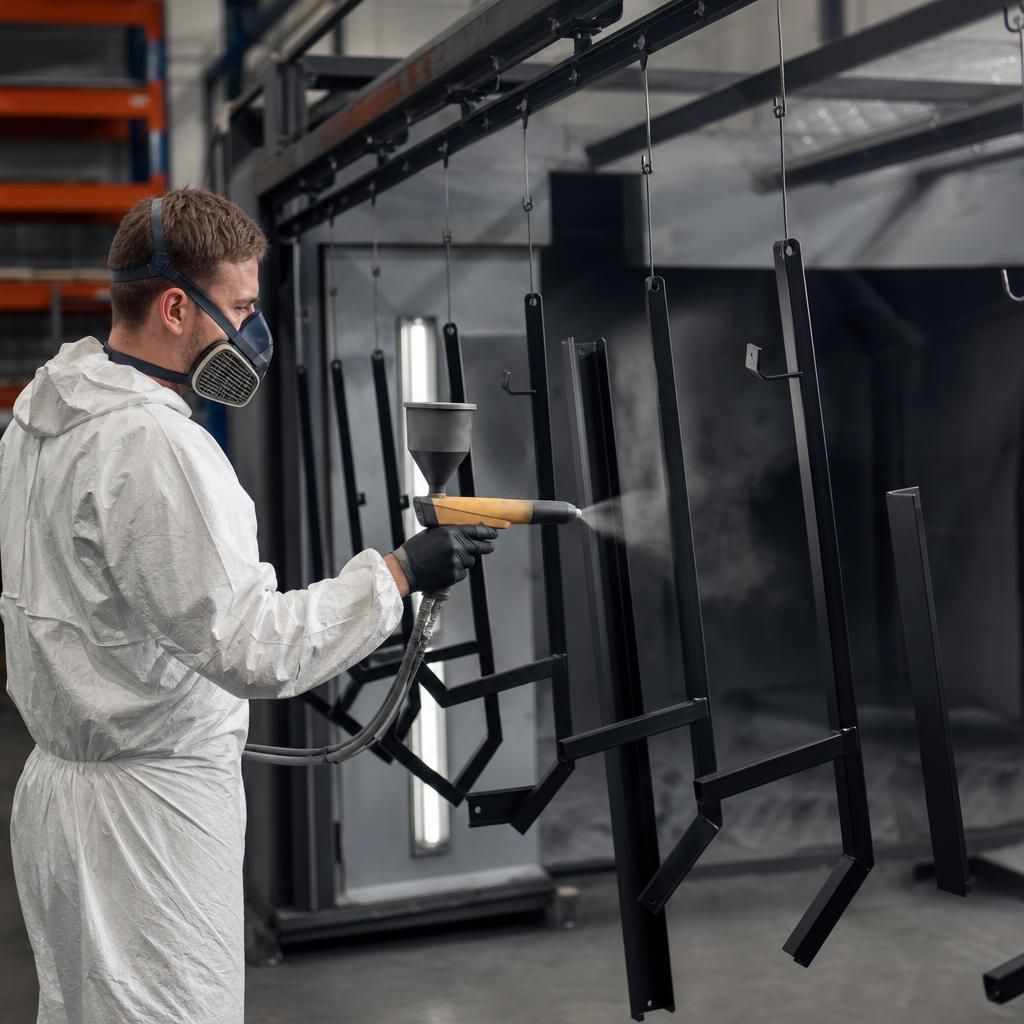
Key Considerations for Anti-Corrosion Steel Coatings
The steel protection process focuses on using powder coatings to protect metal surfaces from corrosion and other environmental damage. Key considerations include selecting the right coating type, proper surface preparation, and understanding specific application requirements.
Enhanced Durability
Powder coatings offer an exceptionally durable finish for steel, increasing resistance to wear, impact, and corrosion. This durability is especially important in industries like automotive and construction, where the steel is exposed to harsh environments and frequent handling.
Environmental Benefits
Powder coatings are solvent-free and produce minimal volatile organic compounds (VOCs), making them an environmentally friendly choice. The process generates less waste compared to traditional coatings, aligning with sustainability goals and compliance with environmental regulations.
Customisable Options
Different types of powder coatings, such as polyester, epoxy, and nylon-based options, can be tailored to meet specific performance requirements. These customisable coatings offer options for UV resistance, chemical resistance, and aesthetic preferences.
Improved Longevity
By enhancing the surface finish and offering superior protection against environmental factors, powder coatings can significantly extend the lifespan of steel components. This reduces the need for frequent maintenance or replacement, offering long-term cost efficiency.
Electrostatic Application
The electrostatic application process of powder coating ensures even distribution and strong adhesion to steel surfaces. This results in a consistent, high-quality finish with no dripping or uneven spots, essential for both aesthetic appeal and structural protection.
Essential Questions for Selecting Steel Protection Solutions
What specific environmental conditions will the powder coating need to withstand for maximum performance?
Powder coatings provide superior protection for steel, combating rust and environmental degradation. Their electrostatic application and curing create a durable, eco-friendly finish, outperforming traditional paints in adhesion and longevity.
How does the choice of powder coating system affect the durability and effectiveness of corrosion protection for steel?
A high-quality powder coating system ensures even application, superior adhesion, and optimal curing, directly influencing corrosion resistance and longevity for steel infrastructure even under challenging environmental conditions.
What role does surface preparation play in the effectiveness of powder coating for steel protection?
Proper surface preparation is crucial for optimal powder coating adhesion, involving techniques like abrasive blasting to clean and texture steel surfaces, ensuring effective corrosion protection and longevity of the coating.
What safety and environmental regulations must the powder coating meet for compliance in industrial applications?
Powder coatings must comply with environmental regulations, including VOC emissions and hazardous substance restrictions, ensuring safe application in industrial settings while meeting environmental protection standards.
What are the cost implications of different anti-corrosion powder coatings for steel in industrial applications?
Costs vary based on powder type, surface preparation, and application method. High-performance coatings may have higher upfront costs but offer better long-term protection, reducing maintenance expenses and prolonging steel lifespan.
Customer Benefits
Achieve superior steel durability and corrosion resistance with professional powder coatings designed for industrial environments.
Showcasing Advanced Steel Protection Techniques
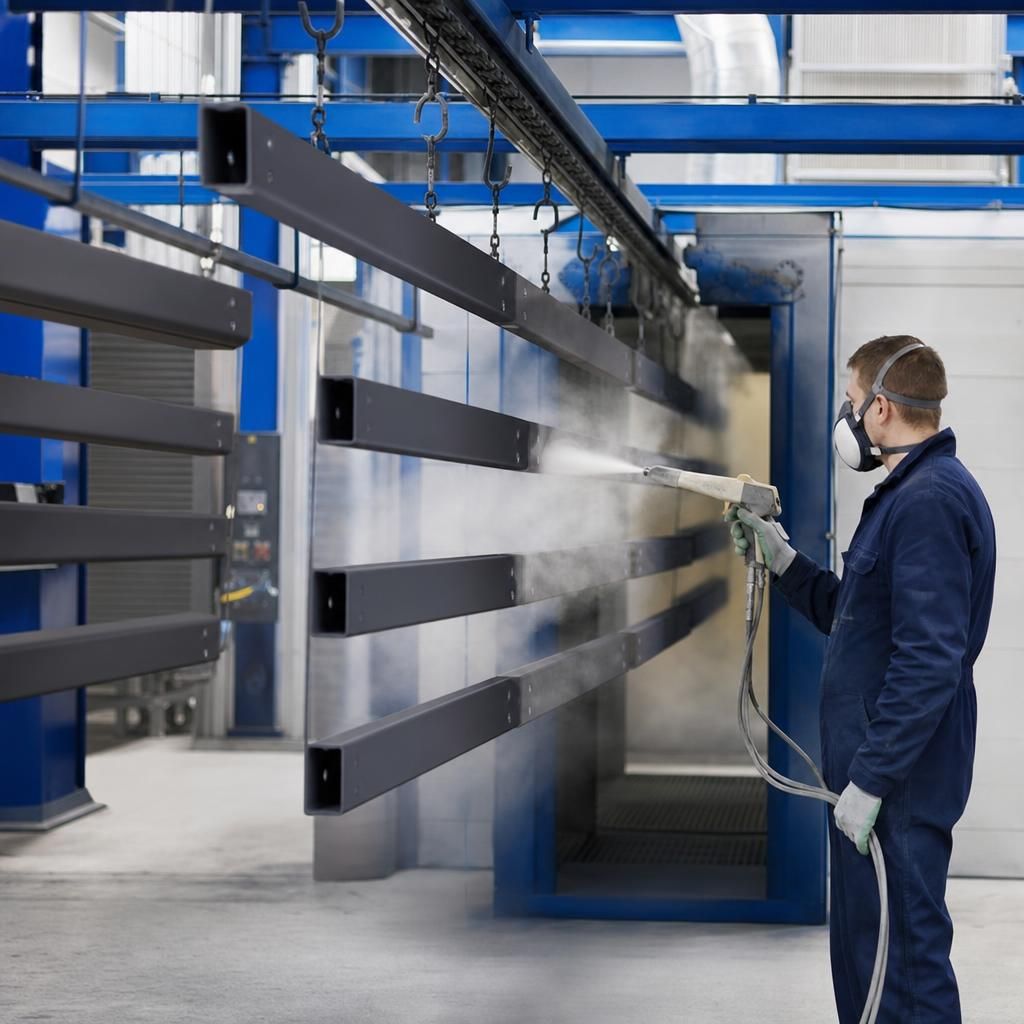
Electrostatic Application Process
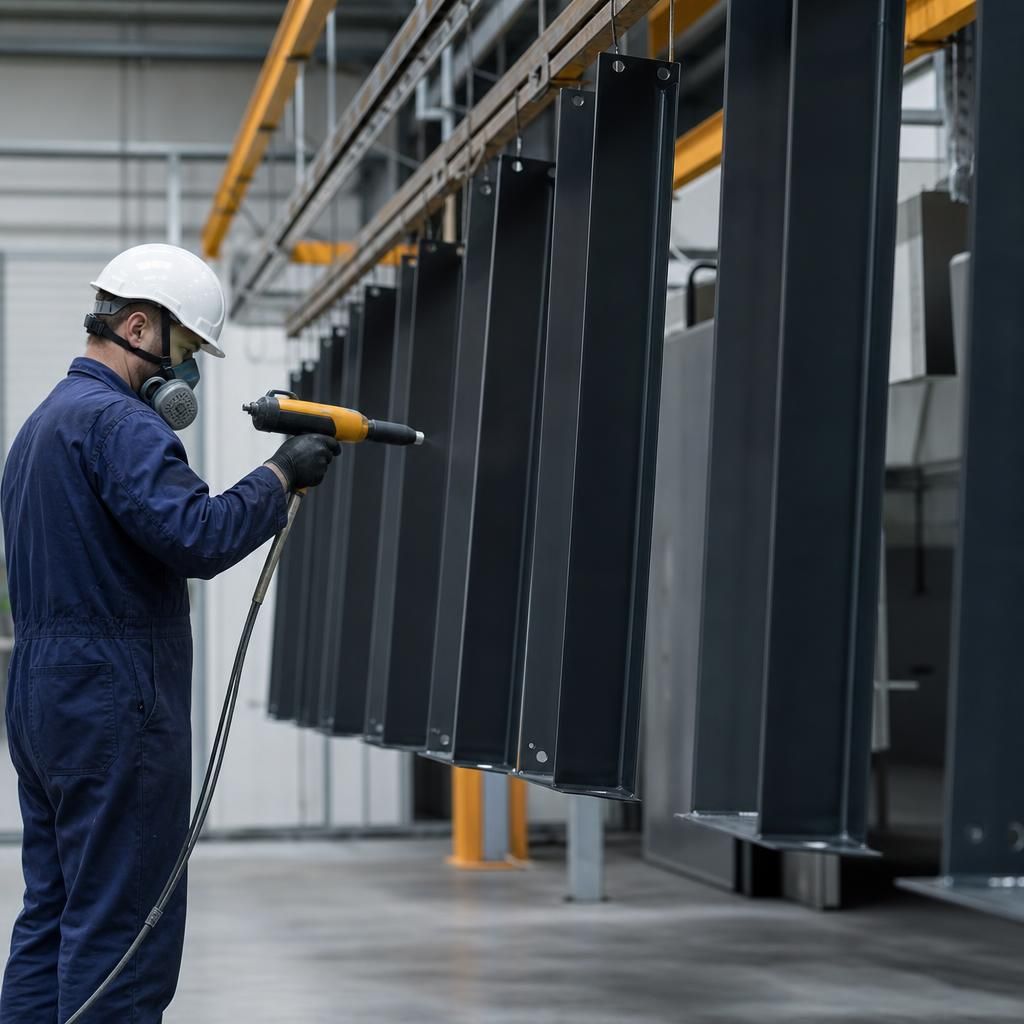
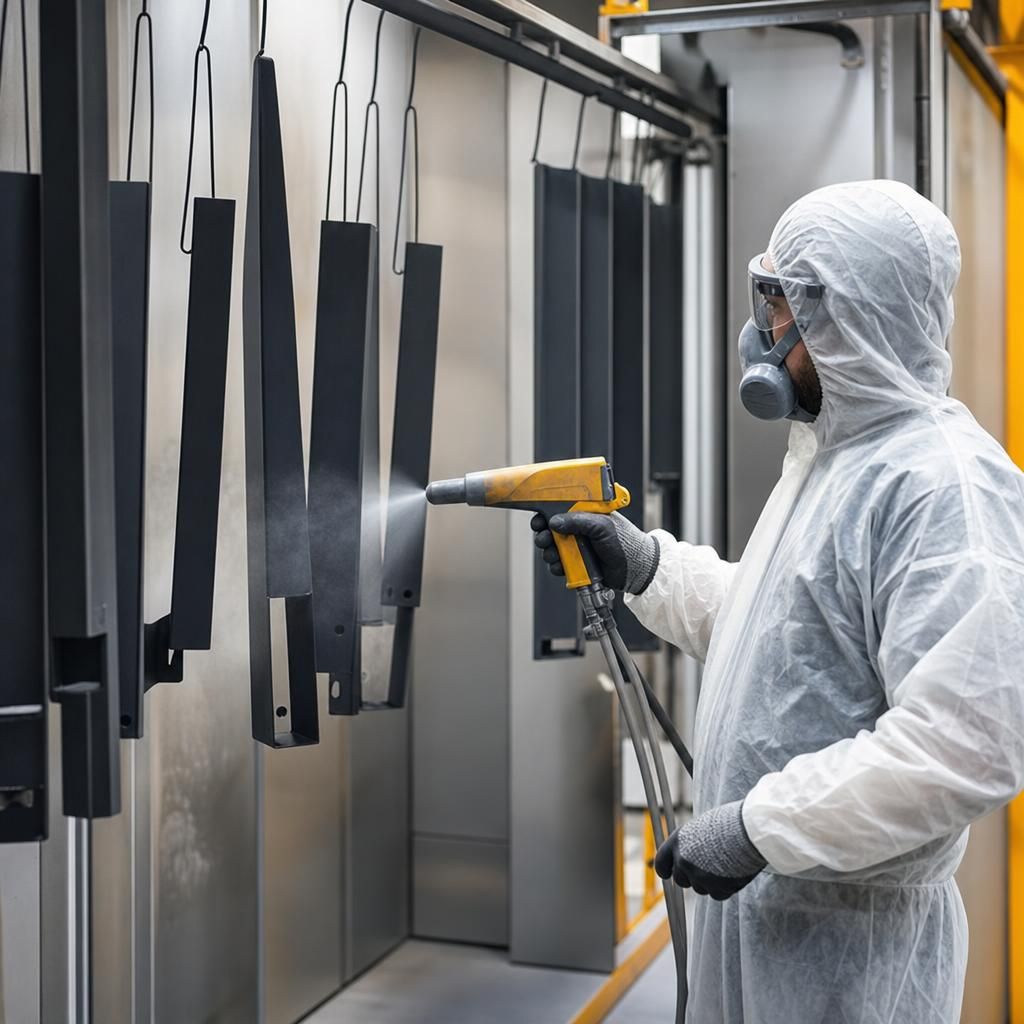
The electrostatic application of powder coatings ensures a uniform, even finish that enhances the protection and aesthetic appeal of steel. This process utilises an electrostatic gun to charge the powder particles, which then adhere to the grounded steel surface, minimizing waste and improving adhesion.
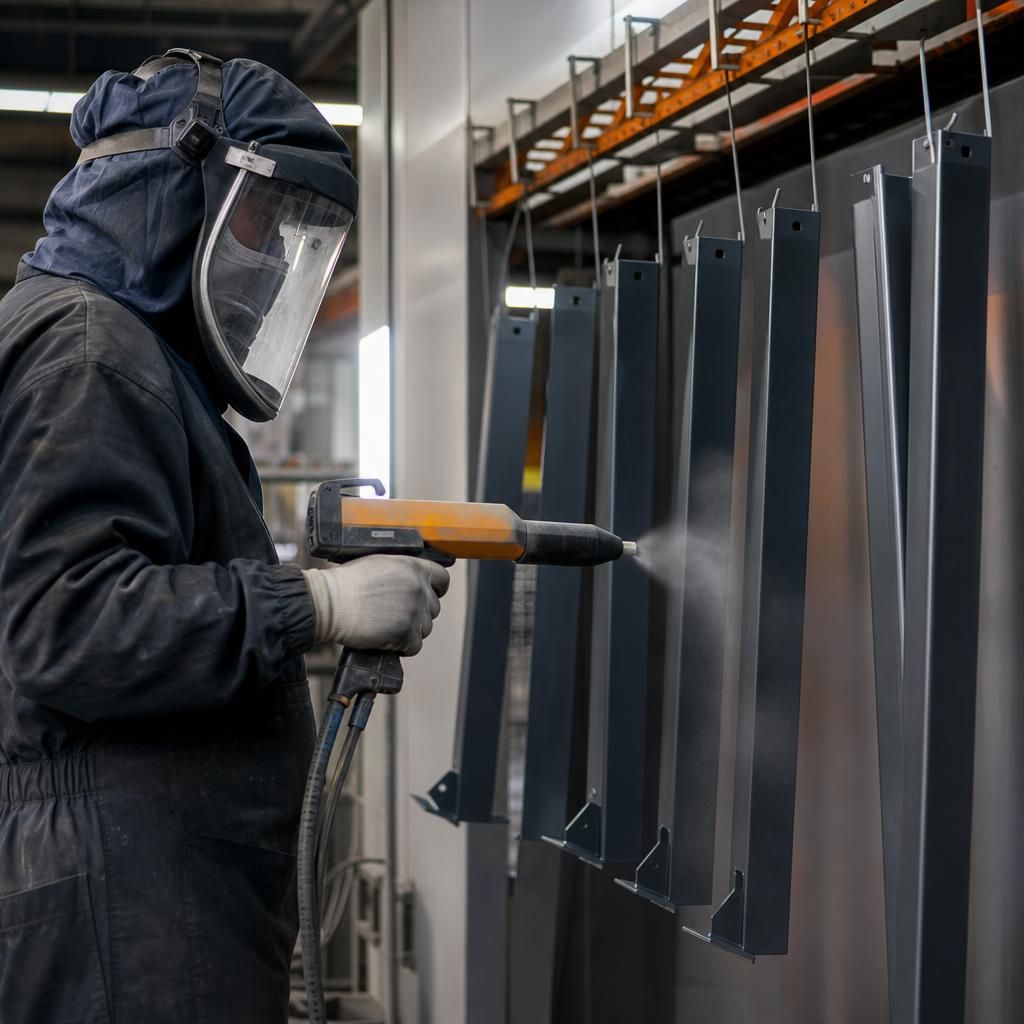
Abrasive Blast Cleaning Techniques
Abrasive blast cleaning is a vital pre-treatment step, removing contaminants and creating a suitable surface profile for optimal coating adhesion. This process enhances the longevity and performance of the powder coating by ensuring a strong bond to the steel substrate.
Frequently Asked Questions about Steel Protection and Powder Coatings
What are the main benefits of using powder coating for steel protection?
Powder coatings protect steel by forming a hard, durable finish resistant to corrosion and environmental factors, significantly extending the lifespan of the metal surfaces they cover.
How does abrasive blast cleaning enhance powder coating adhesion on steel surfaces?
Abrasive blast cleaning removes contaminants and creates a rough texture on steel, enhancing powder coating adhesion by allowing the coating to grip more effectively, ensuring durability and corrosion resistance.
What is the role of temperature in the powder coating process for steel protection?
Temperature is crucial for curing powder coatings; it activates the coating's chemical properties, forming a tough, durable shield on steel. Insufficient heat can lead to improper adhesion and reduced protection.
What are the most effective anti-corrosion powder coatings for different types of steel?
Epoxy coatings offer superior adhesion and are ideal for indoor applications, while polyester coatings provide UV resistance for outdoor use. Nylon coatings excel in chemical resistance, suitable for harsh environments.
What considerations should be taken into account when choosing a powder coating for steel used in outdoor applications?
Outdoor powder coatings must offer UV and weather resistance. Polyester-based powders are ideal due to their durability and protection against environmental elements, ensuring long-lasting steel protection in external conditions.