
Powder Coating Process & Preparation
Our comprehensive powder coating process and preparation guide focuses on delivering high-quality, durable finishes for metal components. This section explores the essential stages including surface cleaning, abrasive blasting, and the application of protective coatings, offering practical insights into each step.
At Powder Coatings Ltd, our powder coating procedure combines over 50 years of experience with ISO 9001 approved quality systems to deliver reliable, durable, and high-performance finishes for industrial and commercial applications. From detailed surface preparation and electrostatic powder application through to precision oven curing, every stage is carefully controlled to achieve outstanding coating quality and long-term protection.
Established Over 50 Years
Trusted powder coating specialists serving UK industries since 1972.
ISO 9001 Approved Quality
Full traceability and strict quality control procedures on every project.
Fast Turnaround Times
72-hour turnaround with optional 24-hour express coating service.
Specialist Powder Coating Solutions
Advanced coatings and technical expertise for complex industrial applications.
Introduction to Powder Coating Process & Preparation
The process of powder coating is a critical stage in metal finishing, involving the application of dry powder to metal surfaces to create a hard, durable coating. This coating is achieved through electrostatic application followed by curing under heat, providing a smooth, aesthetically pleasing, and protective finish. Powder coating is popular in various industries including automotive, construction, and manufacturing due to its ability to significantly enhance durability and resistance to corrosion.
Preparation is a crucial step before commencing the powder coating process. This involves thorough cleaning and preparation of the metal surface to ensure a flawless coating application. Surface preparation often includes degreasing to remove oils, contaminants, and remnants of old coatings. Abrasive blasting, such as sand or shot blasting, can be employed to create an optimal surface texture, which is necessary for the powder to adhere effectively. This preparation phase is essential to prevent imperfections and to ensure the longevity of the coating.
There are various considerations to factor in when preparing for powder coating. Selection of the right abrasive media is important as it impacts the surface profile and the quality of the finish. Environmental conditions such as humidity and temperature also play a significant role in the powder coating process, affecting curing and adhesion quality. Another consideration is the type of powder coating suitable for the particular application, with options including epoxy, polyester, and nylon powders, each providing different benefits depending on the requirements of the end-use.
Visual Guide to Powder Coating Preparation
The powder coating preparation process is fundamental in ensuring a quality finish. It begins with surface cleaning, which involves degreasing to eliminate oils and contaminants that may hinder adhesion. Abrasive blasting, such as sand or shot blasting, is employed to achieve the ideal surface texture, crucial for the powder to bond effectively. This step is essential to ensure a smooth and durable coating.
Choosing the appropriate abrasive medium is important, as it affects the surface profile and ultimately the finish quality. Each media type provides distinct surface characteristics, influencing which is best suited for specific metals and coating types. Common options include aluminium oxide and glass beads.
Environmental factors, such as humidity and temperature, play a significant role in powder coating processes. These elements can impact the curing phase, affecting adhesion and finish durability. Ensuring optimal conditions is vital for achieving the best results in powder coating applications, particularly when working with epoxy, polyester, or nylon powders.
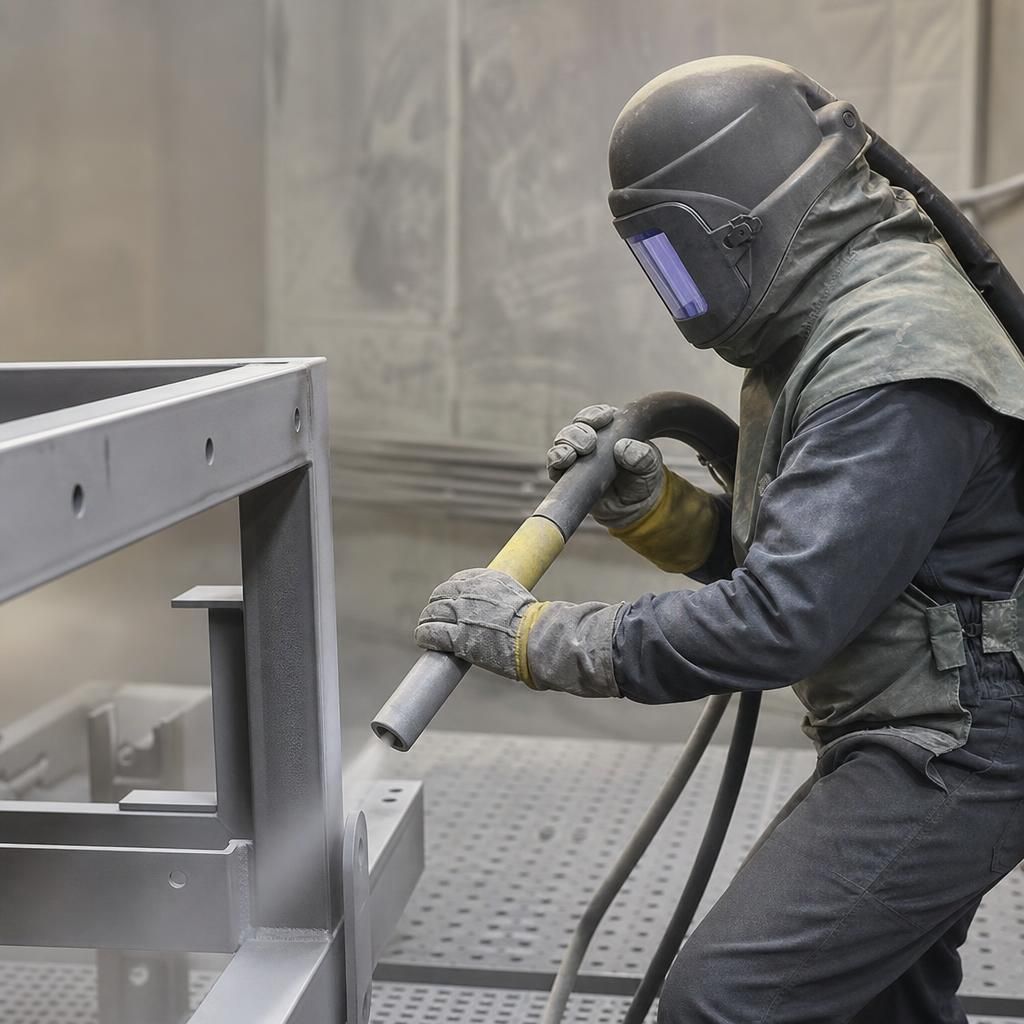
Detailed Breakdown of Powder Coating Preparation Steps
Ensure successful powder coating by reviewing essential process stages. Consider surface cleaning, abrasive particles, environmental factors, and optimal powder types. Understand abrasive media differences for achieving desired finishes in various industries. This simplifies decision-making and enhances powder coating outcomes.
Surface Preparation
Surface preparation is crucial before powder coating to ensure adhesion and durability. It involves cleaning metal surfaces with degreasers to remove oils and impurities. Abrasive blasting, such as sand or shot blasting, is used to achieve the correct surface texture required for effective powder adherence.
Choosing Abrasive Media
Selecting the appropriate abrasive media is vital for influencing the surface profile and finish quality. Different media, such as aluminium oxide and glass beads, provide distinct characteristics. The choice depends on the specific metal and type of coating applied.
Environmental Conditions
Environmental conditions like humidity and temperature play a significant role in powder coating. These factors affect the curing process, adhesion, and the durability of the finish. Maintaining optimal conditions is essential for achieving the best coating results.
Powder Coating Types
Various types of powder coatings are available, each suited for different applications. Epoxy, polyester, and nylon powders offer varied benefits such as chemical resistance, UV stability, and flexibility. The choice of powder impacts the performance and appearance of the final coating.
Common Mistakes to Avoid
Avoid common pitfalls in powder coating by ensuring thorough surface preparation and selecting compatible materials. Incorrect abrasive media choice or neglecting environmental conditions can lead to poor adhesion and finish quality, making attention to detail imperative.
Questions to Consider Before Powder Coating
What types of pre-treatment processes are necessary to ensure optimal adhesion and durability of the powder coating?
Ensure metal surfaces are thoroughly cleaned and free of contaminants before powder coating to enhance adhesion and durability. Choosing the correct abrasive medium is vital for preparing an optimal surface texture.
How does the choice of powder coating type affect the performance and longevity of the finished product?
Different powder types, like epoxy for corrosion resistance or polyester for UV stability, significantly impact product durability. Selecting the appropriate type optimises performance relative to the environmental and usage conditions.
What are the potential challenges in the powder coating curing process and how can they be mitigated?
Imprecise curing temperatures can lead to incomplete curing or overbaking. Use a reliable temperature control system and ensure consistent heating conditions to achieve optimal coating results.
What safety measures should be adhered to during the powder coating process to ensure compliance with industry standards?
Use personal protective equipment (PPE), such as masks and gloves, to prevent inhalation of powders and skin contact. Ensure ventilation, regular equipment maintenance, and adherence to COSHH regulations for safety compliance.
What factors should be considered when selecting the most appropriate abrasive blasting method for preparing metal surfaces for powder coating?
Consider metal type, desired surface profile, and coating requirements. Abrasive options like sand, steel shot, or glass beads impact texture and adhesion, crucial for effective powder coating preparation.
Customer Benefit
Enhance durability and appearance by choosing powder coating, offering superior protection and finish for diverse industrial applications.
Expert Techniques for Surface Preparation and Powder Coating
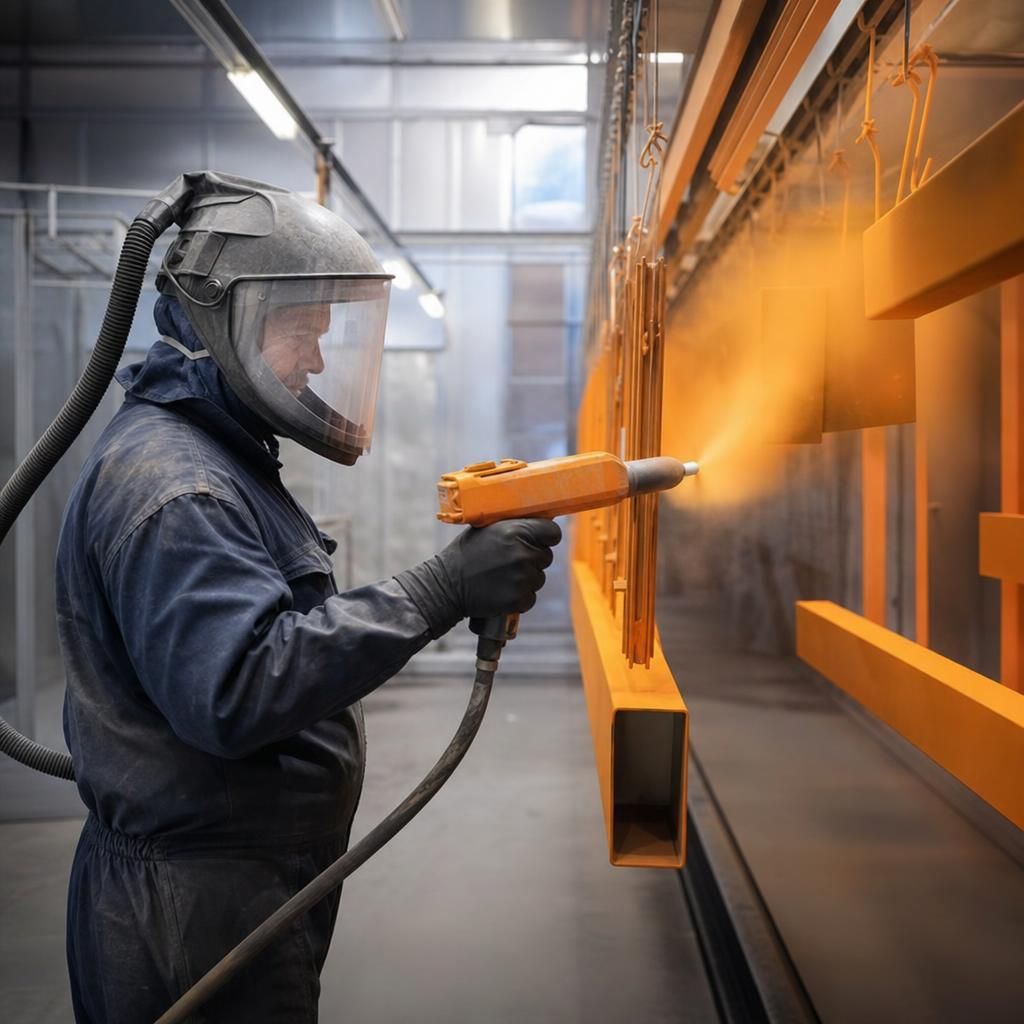
Surface Cleaning and Preparation
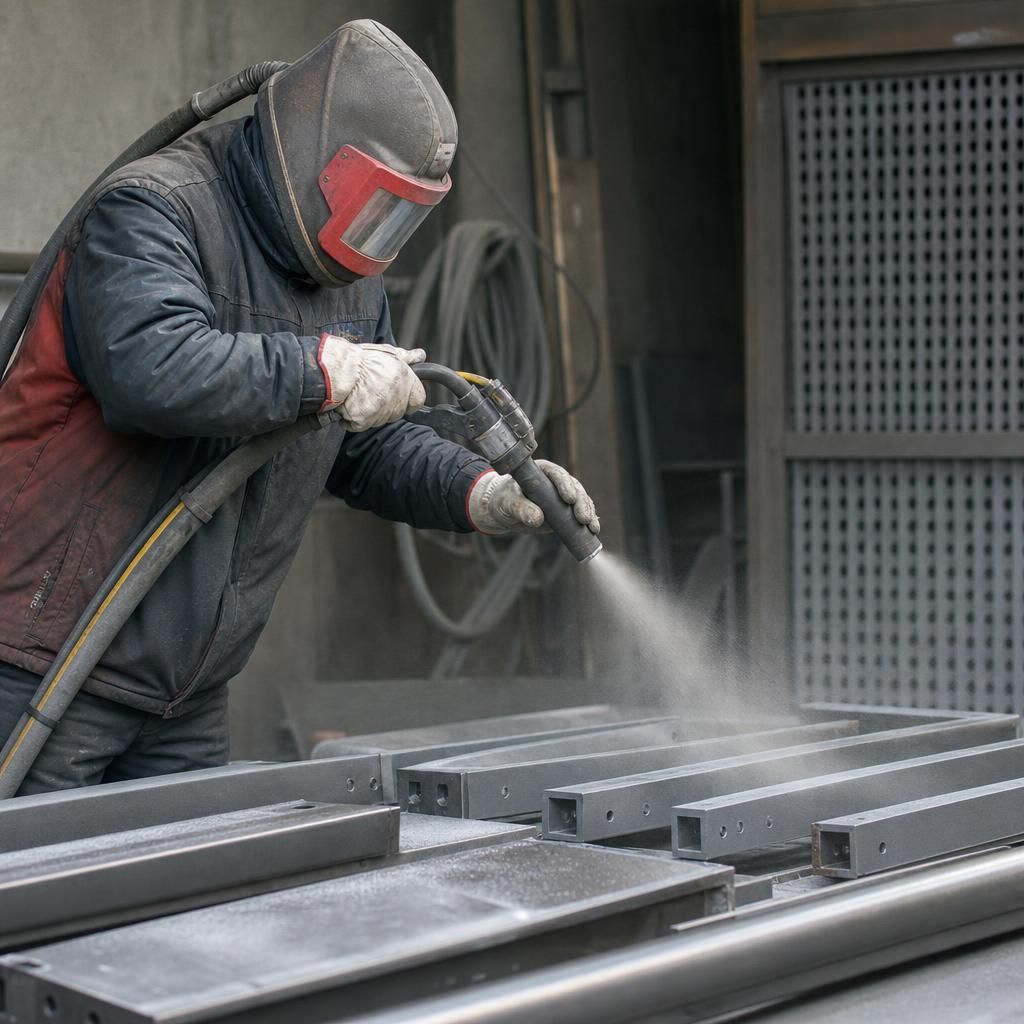
Before powder coating, parts undergo rigorous surface cleaning to remove contaminants such as oils, grease, and dirt, which could affect coating adhesion.
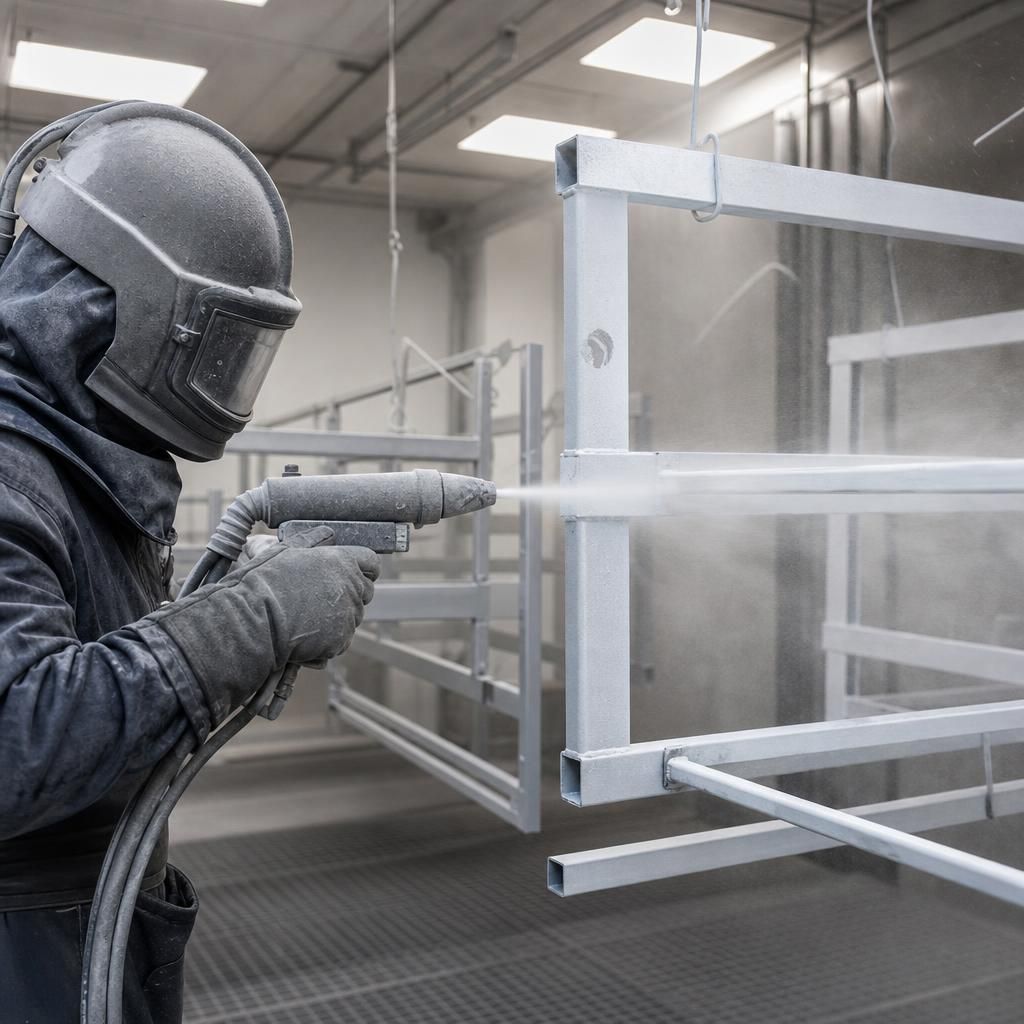
Abrasive Blasting Techniques
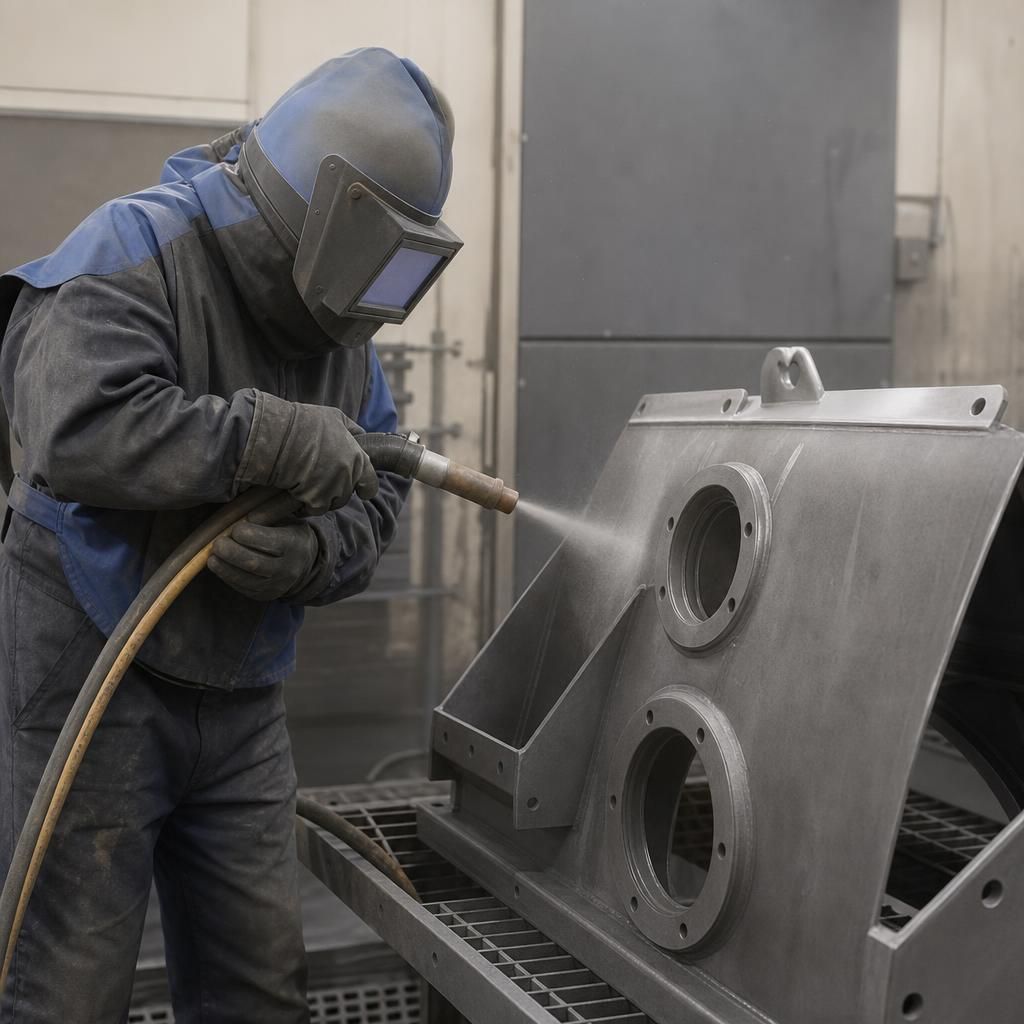
Abrasive blasting, like sand or shot blasting, is used to create a surface texture ideal for powder adhesion. Different media, such as aluminium oxide, are chosen based on the metal's characteristics.
Frequently Asked Questions About Powder Coating Preparation
What is the importance of surface preparation in powder coating?
Surface cleaning is paramount in powder coating, ensuring adhesion by removing oils and contaminants. This is followed by abrasive blasting to roughen surfaces for optimal powder bonding.
How are environmental conditions controlled during the powder coating process?
Controlling environmental conditions involves monitoring and adjusting temperature and humidity levels in the coating area. These factors influence powder adhesion and curing quality, ensuring a consistent and durable finish.
What are the advantages of using epoxy primer in powder coating preparation?
Epoxy primer provides an excellent base for powder coating by improving adhesion and corrosion resistance. It creates a smooth, consistent surface that enhances the durability and longevity of the final finish.
What is the role of degreasing in the powder coating preparation process?
Degreasing eliminates oils, grease, and contaminants from metal surfaces, ensuring proper adhesion of the powder coat. It's a crucial pre-treatment step for achieving a reliable, high-quality finish.
What is the process of abrasive blasting in powder coating preparation?
Abrasive blasting involves using high-pressure streams of abrasive media such as sand, glass beads, or aluminium oxide to remove surface imperfections and create a suitable texture for powder coating adhesion.