
Electrostatic Coating Prep Steps
Mastering electrostatic coating prep involves key steps crucial for achieving superior adhesion and finish quality. Proper preparation enhances metal component durability and appearance. Learn the essentials of pre-treatment to optimise your coating results and streamline your production process.
At Powder Coatings Ltd, our powder coating procedure combines over 50 years of experience with ISO 9001 approved quality systems to deliver reliable, durable, and high-performance finishes for industrial and commercial applications. From detailed surface preparation and electrostatic powder application through to precision oven curing, every stage is carefully controlled to achieve outstanding coating quality and long-term protection.
Established Over 50 Years
Trusted powder coating specialists serving UK industries since 1972.
ISO 9001 Approved Quality
Full traceability and strict quality control procedures on every project.
Fast Turnaround Times
72-hour turnaround with optional 24-hour express coating service.
Specialist Powder Coating Solutions
Advanced coatings and technical expertise for complex industrial applications.
Understanding Electrostatic Coating Preparation
Electrostatic coating preparation is a crucial process that ensures optimal adhesion of the powder coating to the metal surface. This technique involves a series of preparatory steps aimed at cleaning and creating a uniform surface, which ultimately enhances the durability and appearance of the final product. Initially, all metal components must be thoroughly cleaned to remove any contaminants, such as oil, dirt, or oxides, that could impede the coating process. This can be achieved using chemical or mechanical cleaning methods tailored to the specific needs of the substrate.
The next step in the preparation involves applying a conversion coating or primer. This layer helps improve the bonding of the powder to the metal and increases corrosion resistance. Depending on the specific requirements of the component and the working environment, different types of primers, such as zinc-rich primers, may be used. It is crucial to ensure that the primer is evenly applied to avoid any weak spots that could compromise the coating’s integrity. The application should always be consistent and tailored to the specific shapes and sizes of the components.
Finally, drying and curing stages prepare the component for the actual electrostatic coating. Adequate time must be given for each piece to dry thoroughly after the primer application, reducing the risk of imperfections in the final finish. Once dry, the components are ready for the electrostatic application of the powder coating. In summary, by adhering to these essential preparation steps, businesses can ensure a high-quality, long-lasting electrostatic coating that meets performance expectations in various industrial applications.
Key Features of Electrostatic Coating Preparation
Electrostatic coating preparation is integral to achieving high-quality finishes. This big list outlines each essential step, highlighting how these features enhance adhesion, durability, and appearance, ultimately benefiting your production process and meeting industry demands efficiently.
Comprehensive Surface Cleaning
Comprehensive surface cleaning effectively removes dirt, grease, and oxides, ensuring that the metal surface is primed for optimal adhesion. This crucial step prevents defects in the coating, leading to a smooth, professional finish that enhances the durability and lifespan of the coated product.
Tailored Conversion Coatings
Applying a conversion coating tailored to your component's requirements helps improve powder bond strength and provides enhanced corrosion resistance. This layer acts as a foundation for the powder, facilitating a more robust and long-lasting finish, vital for maintaining product integrity in demanding environments.
Precise Primer Application
The precise application of primers, such as zinc-rich options, fortifies the substrate against corrosion while ensuring excellent powder adhesion. Consistency in primer application is key to avoiding weak spots that could compromise the coating, ensuring a uniformly strong and protective finish.
Controlled Drying Process
A controlled drying process after primer application ensures that the surface is adequately prepared for powder coating. This step minimises the risk of imperfections, such as bubbles or blisters, in the final product, thereby guaranteeing a flawless finish that meets high industry standards.
Expert Curing Procedures
Expert curing procedures are essential in finalising the preparation phase for powder coating. Proper curing ensures the primer and powder form a cohesive, durable layer that withstands environmental stresses, resulting in a long-lasting finish ideal for industrial applications.
Meet the Team Behind Your Perfect Finish
Electrostatic coating preparation is a meticulous process involving cleaning, priming, and drying phases to ensure optimal powder adhesion. This approach begins with thoroughly removing contaminants like oils and oxides from metal surfaces to create a receptive base. Such precision in initial phases sets the foundation for a robust coating.
Our team leverages years of industry experience to tailor the preparation steps according to the specific characteristics of each component. This ensures that even complex shapes receive uniform treatment, maximising the coating’s effectiveness in demanding environments. Each stage in our workflow is executed with attention to detail to prevent imperfections.
By refining every element of the preparation phase, we safeguard the quality of your electrostatic coatings. Our commitment to excellence promotes reliability and longevity in your finished products, enabling your enterprise to maintain a competitive edge. Experience seamless production and superior results with our expert preparation methods.
Common Questions About Electrostatic Coating Prep
What specific conversion coatings are recommended for enhancing the adhesion of powder coatings in electrostatic applications?
Electrostatic coating preparation involves cleaning the surface to remove contaminants, using conversion coatings for better adhesion, and ensuring thorough drying before applying the powder for optimal results.
How does the drying and curing process affect the quality of the final electrostatic coating?
Proper drying and curing solidify the primer, preventing imperfections and ensuring the powder evenly adheres during electrostatic application, enhancing the coating’s durability and overall finish quality.
What methods ensure effective removal of oxides and contaminants during electrostatic coating preparation?
Effective removal of oxides and contaminants involves using abrasive blasting or chemical treatments tailored to the substrate. These methods ensure a clean, uniform surface crucial for successful powder adhesion.
What are the best practices for applying primers to ensure optimal powder coating adhesion in electrostatic applications?
Ensure even primer application by using appropriate spraying techniques and equipment, maintaining ideal environmental conditions, and choosing suitable primers for the metal type to optimise electrostatic coating adhesion.
What role does surface texture play in the effectiveness of electrostatic powder coating?
Surface texture is crucial in electrostatic powder coating as it enhances mechanical adhesion, ensuring the powder particles effectively bond to the metal surface for a durable and even finish.
Critical Steps in Electrostatic Coating Preparation
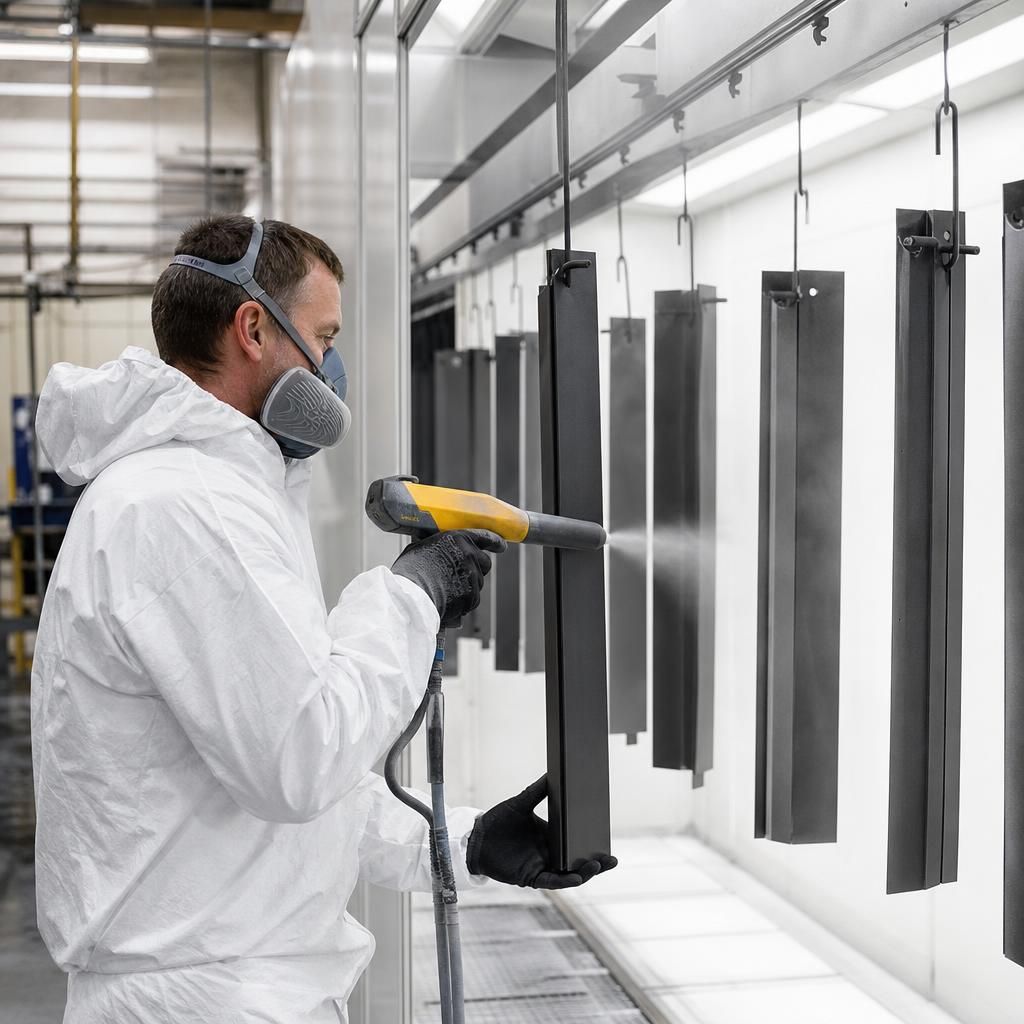
Degreasing Critical Surfaces
Thorough degreasing eliminates oils and contaminants from metal components, making it an essential first step in the electrostatic coating preparation process. Removing residues ensures a clean surface for powder adhesion, enhancing coating reliability.
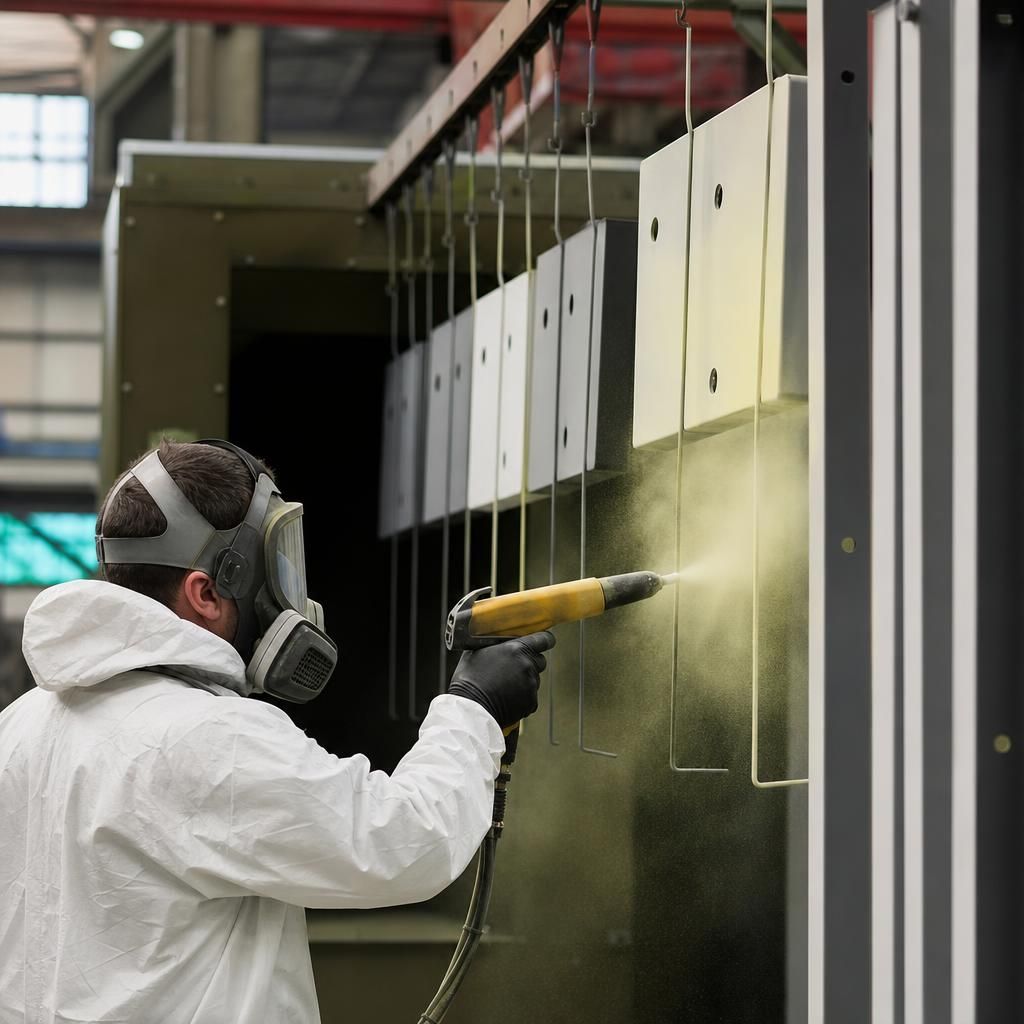
Shot Blasting for Surface Uniformity
Shot blasting mechanically refines metal surfaces, removing rust and old finishes. This method creates a textured profile that significantly improves the adherence of powder coatings, facilitating a robust and durable finish.
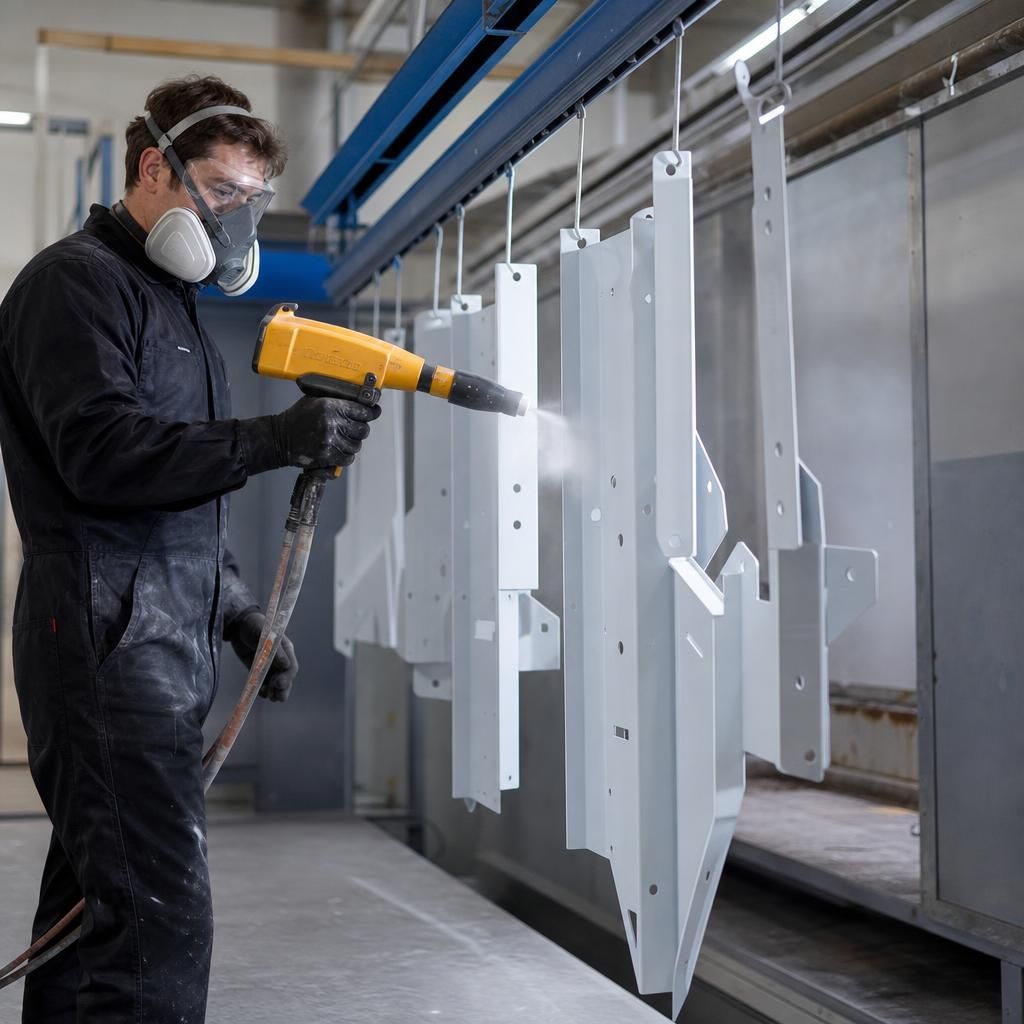
Chemical Pre-Treatment
Applying a chemical conversion coating optimises surface conditions by promoting better powder bond and corrosion resistance. This step is crucial for enduring performance, especially in highly demanding industrial environments.
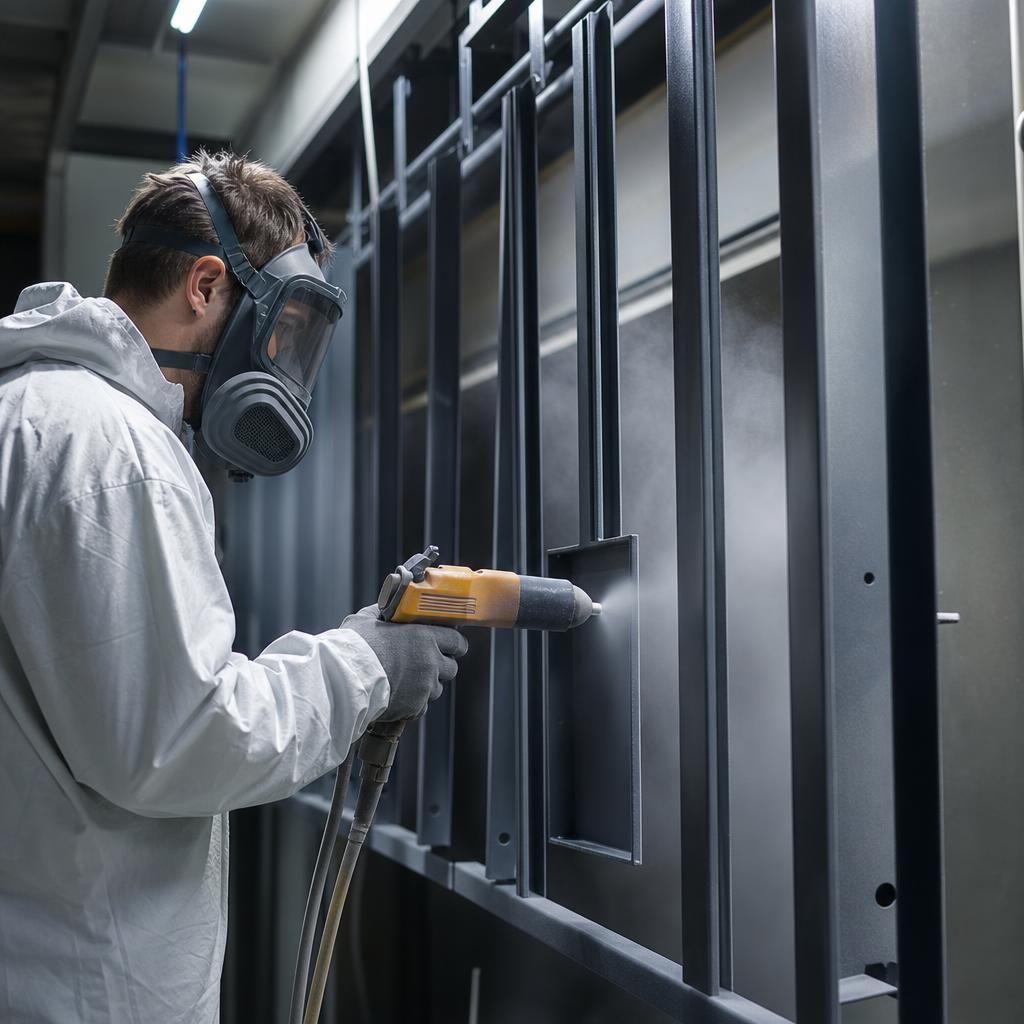
Primer Application
Utilising primers, such as zinc-rich varieties, bridges the metal and coating layers, enhancing adhesion and preventing corrosion. Proper application ensures consistent protective coverage across all surfaces.
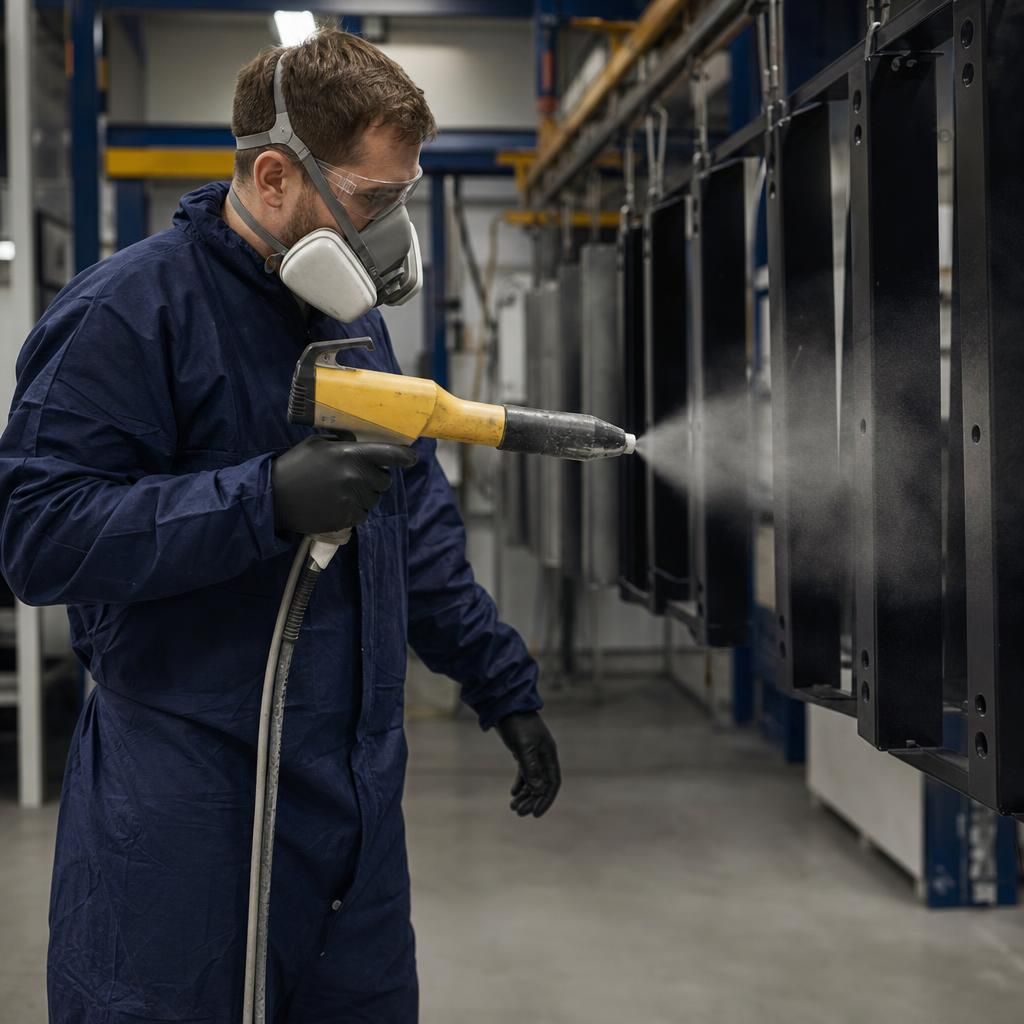
Curing Completes the Preparation
Curing stabilises the primer layer and sets the stage for subsequent powder application. Properly controlled curing times ensure the primed metal is free from imperfections, readying it for a flawless powder coat.
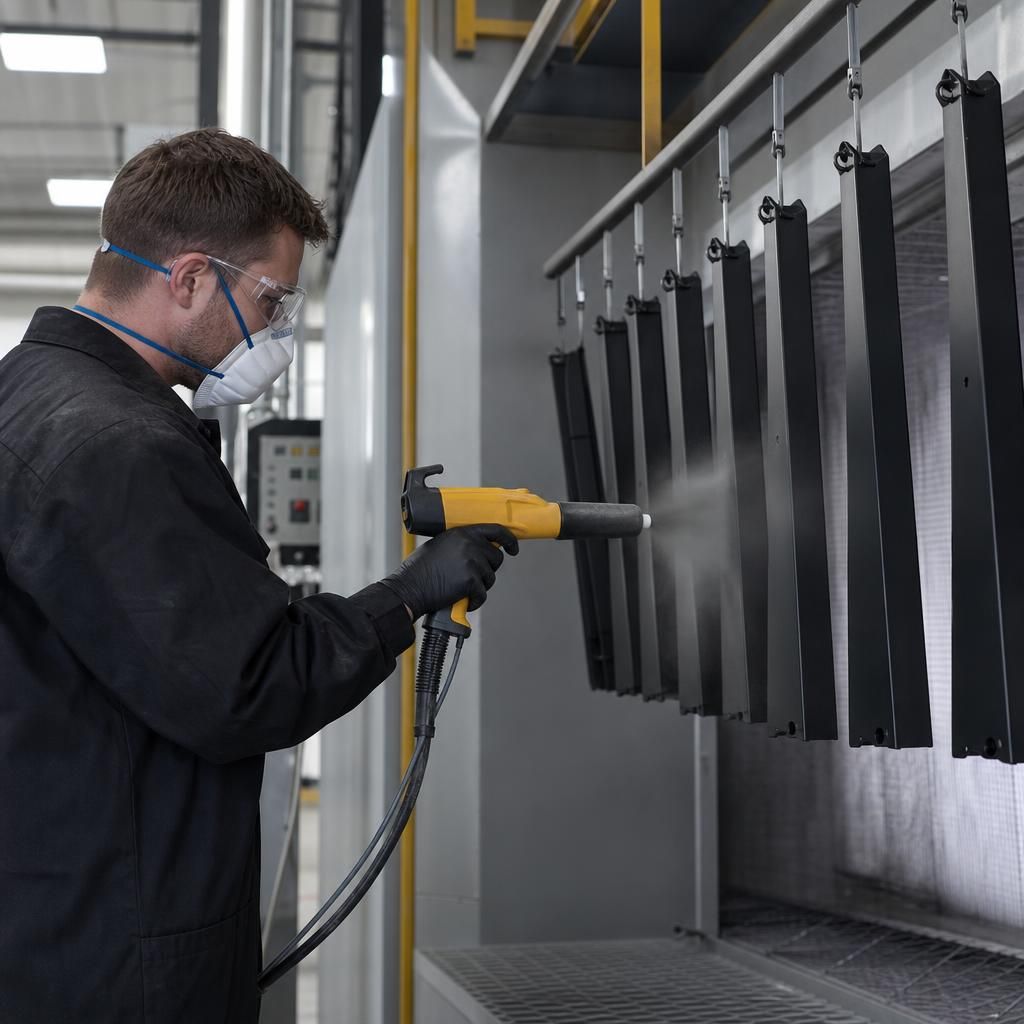
Quality Assurance Inspection
A thorough inspection of metal components post-preparation guarantees that all contaminants are eliminated and the surface is primed perfectly. This critical step ensures any potential issues are addressed before powder coating begins.
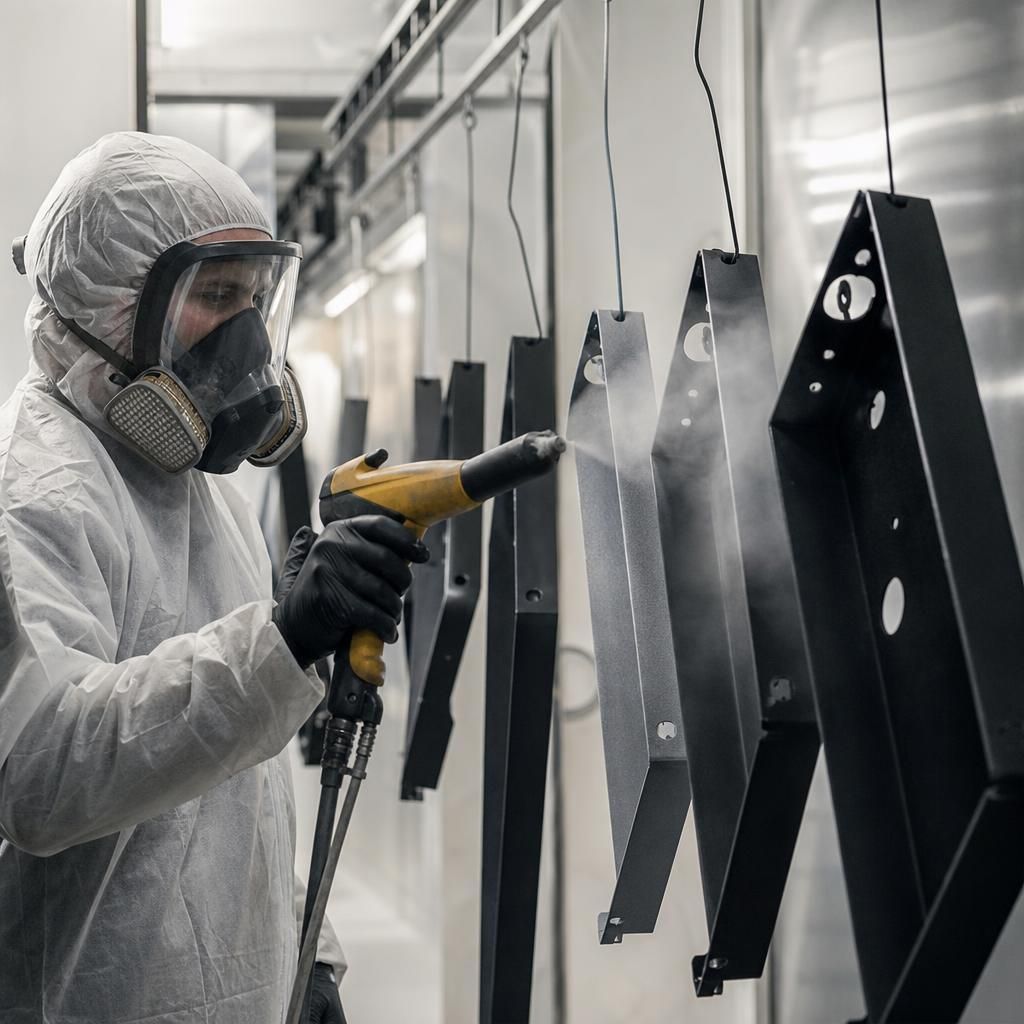
Equipment Calibration
Calibrating electrostatic spray equipment ensures optimal powder distribution and coverage. Precision in this initial setup maximises efficiency and consistency in applying the powder coating across all components.
Unmatched Precision
Experience superior adhesion and flawless finishes with thorough electrostatic coating preparation, tailored for your metal components’ unique demands.
Essential Buyer Questions on Electrostatic Coating Prep
What specific cleaning methods are most effective for preparing different types of metal surfaces in electrostatic coating?
Consult the coating expert for tailored solutions, leveraging our extensive experience in various prep techniques to optimise powder adhesion, ensuring enhanced durability and finish quality for your specific application requirements.
How do conversion coatings or primers enhance the adhesion and durability of electrostatic powder coatings?
Conversion coatings or primers establish a bond between the metal surface and the powder, enhancing adhesion and providing a barrier against corrosion, crucial for extending coating performance in harsh conditions.
What are the critical drying conditions required to prevent defects before the final powder application in electrostatic coating?
Ensuring the drying area is humidity-controlled and maintaining a consistent temperature prevent moisture retention, which could cause surface defects and impair the powder coating’s adhesion and performance.
What impact does substrate geometry have on the effectiveness of electrostatic coating preparation?
Substrate geometry affects coating uniformity and electrostatic attraction; components with complex shapes may require adjusted spray angles and repositioning to ensure even coverage and effective adhesion on all surfaces.
How does the condition of a metal surface influence the choice of pre-treatment methods for electrostatic coating?
A metal surface's condition dictates pre-treatment choices; rusted or oily surfaces require intensive cleaning methods, while cleaner surfaces might only need light abrasion, ensuring ideal conditions for electrostatic coating.
Comprehensive Electrostatic Coating Prep Guidance
Electrostatic coating preparation involves vital steps to enhance adhesion and finish for metal components. It is tailored for industries seeking durability and quality in their coatings, addressing specific needs with solutions designed for optimal results.