
Removing Old Powder Coatings
Expertly removing old coatings from metal is crucial for ensuring a flawless new finish. This page covers effective methods to strip coatings safely, preparing metal surfaces like aluminium and steel for powder coating repair or complete recoating. Achieve optimal results with ease and precision.
At Powder Coatings Ltd, our powder coating procedure combines over 50 years of experience with ISO 9001 approved quality systems to deliver reliable, durable, and high-performance finishes for industrial and commercial applications. From detailed surface preparation and electrostatic powder application through to precision oven curing, every stage is carefully controlled to achieve outstanding coating quality and long-term protection.
Established Over 50 Years
Trusted powder coating specialists serving UK industries since 1972.
ISO 9001 Approved Quality
Full traceability and strict quality control procedures on every project.
Fast Turnaround Times
72-hour turnaround with optional 24-hour express coating service.
Specialist Powder Coating Solutions
Advanced coatings and technical expertise for complex industrial applications.
Effective Methods to Remove Powder Coating
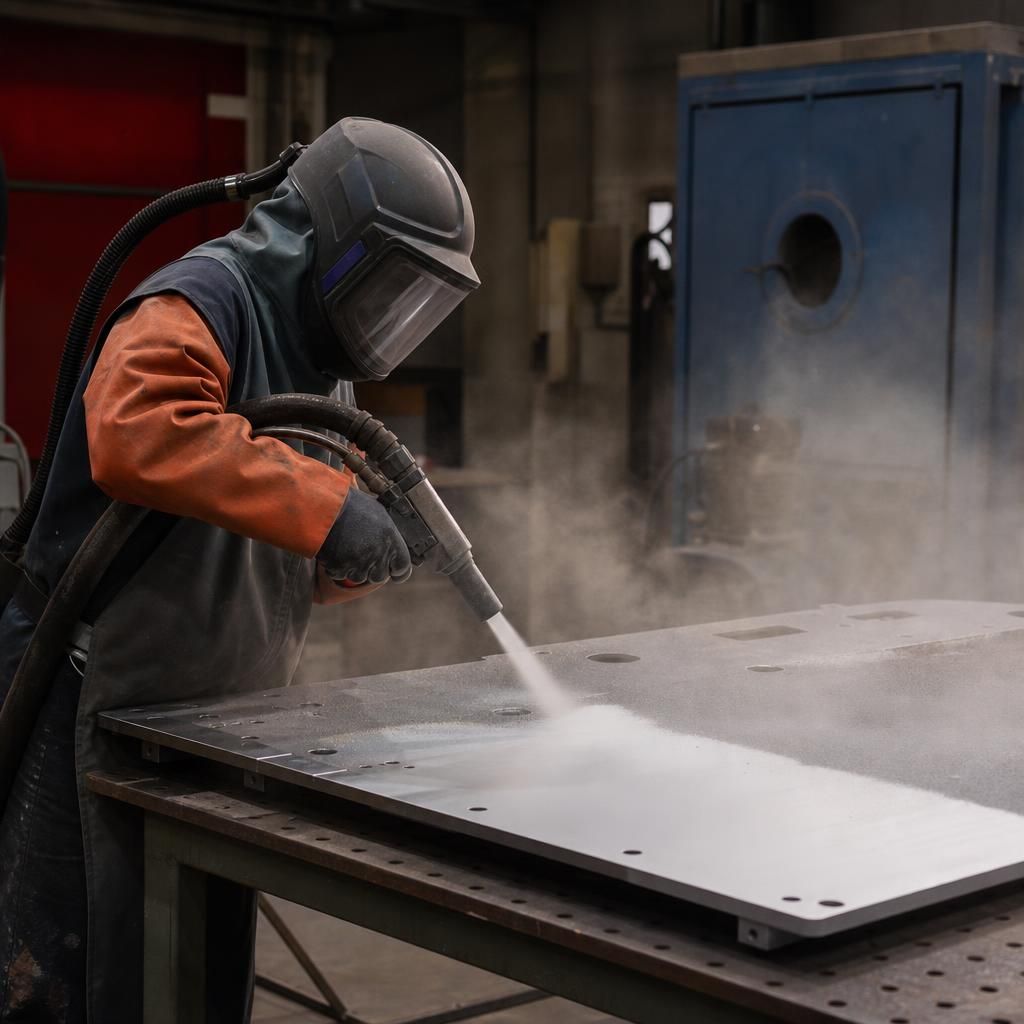
Removing old powder coatings from metal surfaces is essential for achieving a flawless new application. Typically, this involves mechanical methods such as sandblasting or chemical stripping. Sandblasting effectively abrades the surface, making it ideal for heavy-duty metals like steel. Alternatively, chemical stripping can be used for delicate parts or when precision is paramount, as it dissolves the coating without damaging the underlying material.
For best results, selecting the appropriate method depends on factors such as the metal type and condition of the existing coating. Aluminium surfaces, for instance, may require a gentler approach using specialised solvents. Ensuring comprehensive removal is vital to avoid any defects or adhesion failures in subsequent powder applications.
Once the old coating is removed, ensure that the metal is thoroughly cleaned and degreased before proceeding with the recoating process. This prepares the surface to bond effectively with the new powder coat, enhancing durability and finish quality. Proper preparation accelerates repair or recoating tasks, ensuring a seamless, professional result every time.
Step-by-Step Guide to Removing Old Coatings
Removing old coatings is essential for optimal powder coating repair. Our expert guide details each stage, ensuring efficient and safe preparation of aluminium and steel surfaces for flawless subsequent applications. Follow each step to achieve superior results.
Assess the Existing Coating Condition
Begin by closely inspecting the existing powder coating on the metal surface. Determine if it is flaking, peeling, or uniformly adhered. This assessment helps in deciding whether a full removal is necessary or if spot repairs may suffice.
Choose the Appropriate Removal Method
Select between mechanical methods like sandblasting for robust materials or chemical strippers for delicate parts. The choice is crucial for avoiding damage to the metal substrate while ensuring complete coating removal.
Prepare the Work Area
Set up a well-ventilated area, clear of any obstructions, and ensure you have the necessary safety equipment. This preparation helps to maintain cleanliness and safety during the removal process.
Remove Powder Coating
Execute the chosen method—mechanical or chemical—meticulously. For sandblasting, ensure even abrasion across the surface. If using chemicals, apply them evenly and allow sufficient time to dissolve the coating thoroughly.
Inspect for Residue
After removal, inspect the surface for any leftover residue. Any remaining particles or flakes can interfere with new coatings, so a careful examination ensures a clean start for recoating.
Clean and Degrease the Surface
Once the old coating is removed, clean the metal surface with a suitable degreaser. This final cleanup is vital for removing any oils or contaminants, setting the stage for a strong adhesion of the new powder coat.
Prepare for Recoating
With a clean and residue-free surface, proceed to preheat or apply primer if necessary. These preparatory steps enhance the bonding efficiency and durability of the new powder coating.
Expert Techniques for Old Coating Removal
Removing old powder coatings from metal surfaces is a vital step in the powder coating repair process, ensuring an ideal surface for a new finish. This process involves stripping away the existing coating material, thereby enabling the fresh powder coat to adhere securely and deliver the desired aesthetic and protective outcomes. The choice of removal method depends on the type of metal and the condition of the existing coating, with options including mechanical, thermal, and chemical techniques.
Mechanical methods such as sandblasting are often employed for robust materials like steel, where surface abrasion can effectively remove old coatings without damaging the substrate. In contrast, delicate metals or components with intricate features may benefit more from chemical stripping, which dissolves the old coat. Here, care must be taken to select solvents compatible with both the metal and the old coating type to avoid any potential damage or residue.
Once the previous coating is removed, meticulous surface preparation becomes crucial. This includes cleaning, degreasing, and inspecting the metal to ensure it’s free from contaminants and imperfections. Such preparation not only facilitates a stronger bond with the new powder coat but also contributes to the overall durability and visual quality of the finished product. By adhering to these expert guidelines, industries ranging from automotive to construction can achieve exceptional results in their powder coating refurbishment projects.
Precision Removal
Ensure superior powder coating by removing old layers thoroughly, fostering optimal adhesion and flawless, durable results.
Common Questions About Removing Old Coatings
What are the most effective methods for removing powder coating from metal surfaces?
First, choose a suitable removal method like sandblasting or chemical stripping, depending on the metal type, ensuring complete removal to enhance powder coat adhesion and finish quality.
Why is it important to thoroughly clean and degrease metal surfaces after removing old coatings?
Cleaning and degreasing ensures no residues hinder powder adhesion, maintaining coating integrity and appearance. Failing to do so may result in blemishes and coating defects, compromising durability and finish quality.
How does the condition of the existing coating affect the choice of removal method?
Severely damaged coatings might necessitate mechanical methods, while thinner or marginally defective coatings can often be removed with chemical solutions, preserving surface integrity for effective recoating.
What safety precautions should be taken when removing powder coatings from metal surfaces?
Wear protective gear, ensure proper ventilation, and handle chemicals with care to avoid health hazards. Follow manufacturer instructions and use the correct tools for safe and effective coating removal.
What are the advantages of using chemical stripping over mechanical methods for removing old powder coatings?
Chemical stripping preserves the base material, especially beneficial for delicate components, by dissolving coatings precisely without the potential surface abrasions caused by mechanical methods, ensuring a cleaner preparation for recoating.
Exploring Advanced Coating Removal Techniques
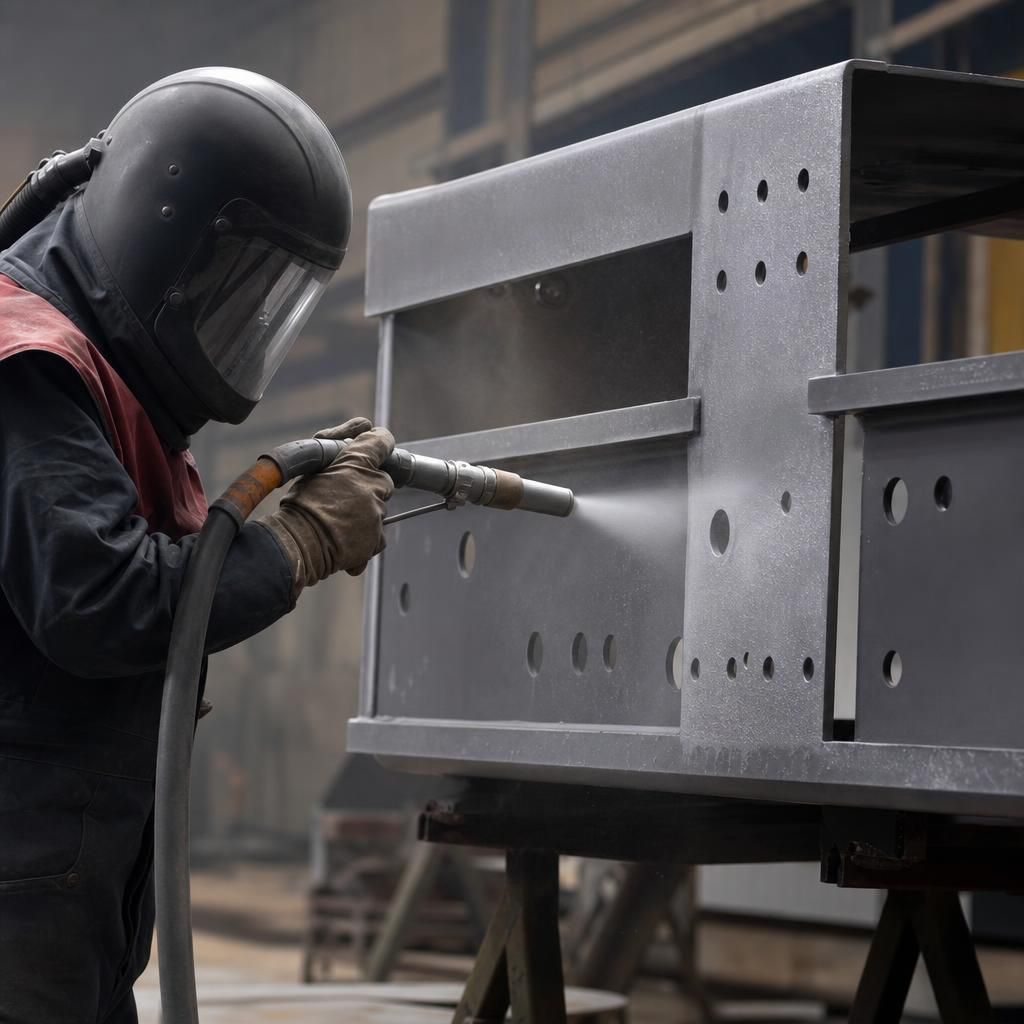
Precision Sandblasting
Achieve consistent coating removal on steel surfaces through precision sandblasting, ensuring a clean, robust base for new powder applications.
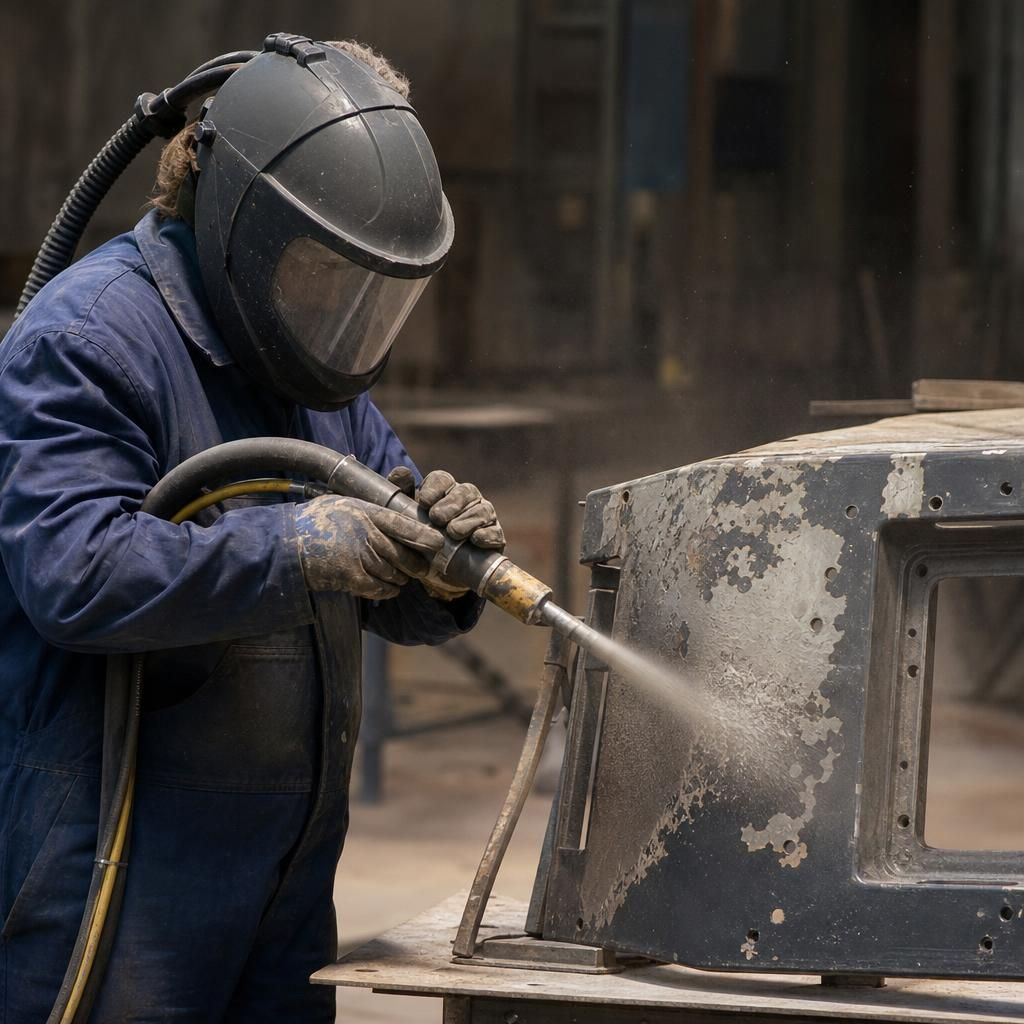
Chemical Stripping for Fine Components
Utilise chemical stripping for efficiently removing coatings from intricate or delicate surfaces without potential damage inherent in mechanical methods.
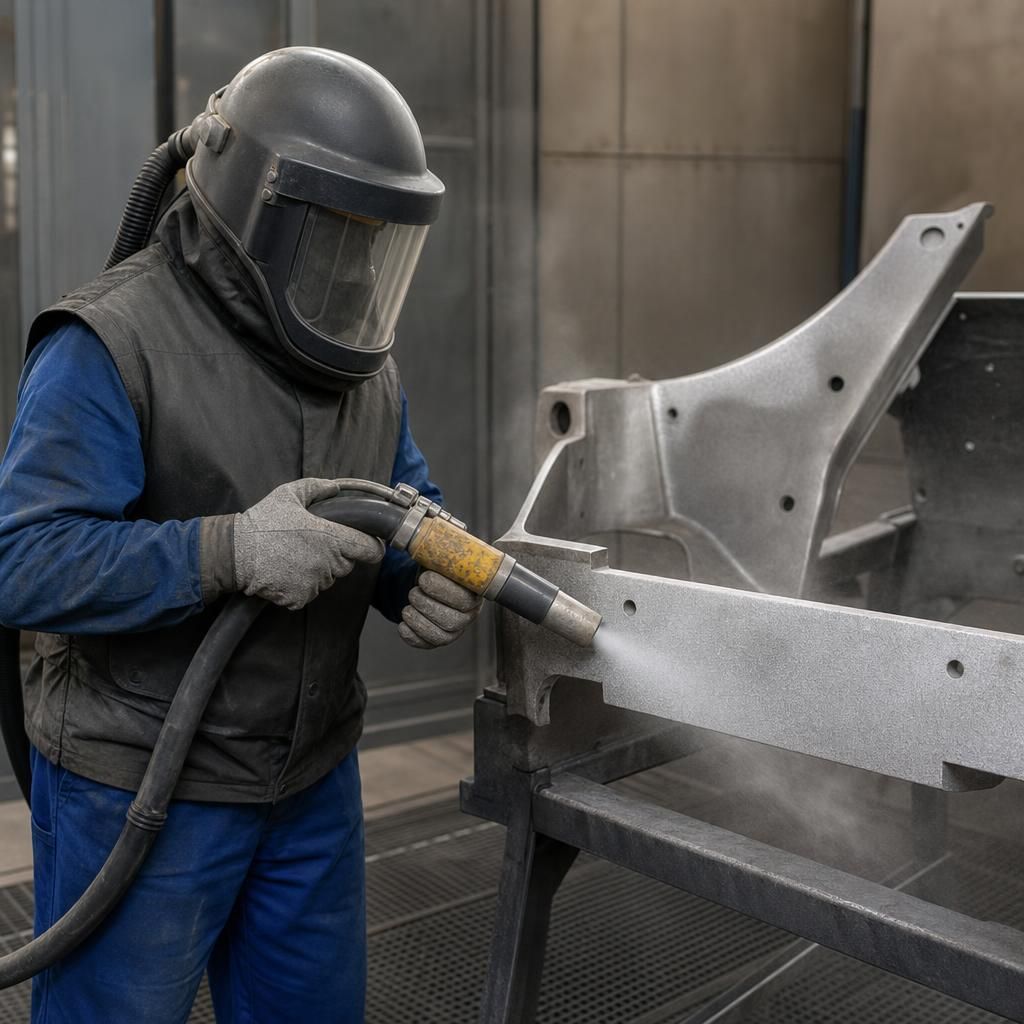
Gentle Solvent Use for Aluminium
Specialised solvents provide a gentle approach to safely remove coatings from aluminium, preserving the integrity of the material for superior new finishes.
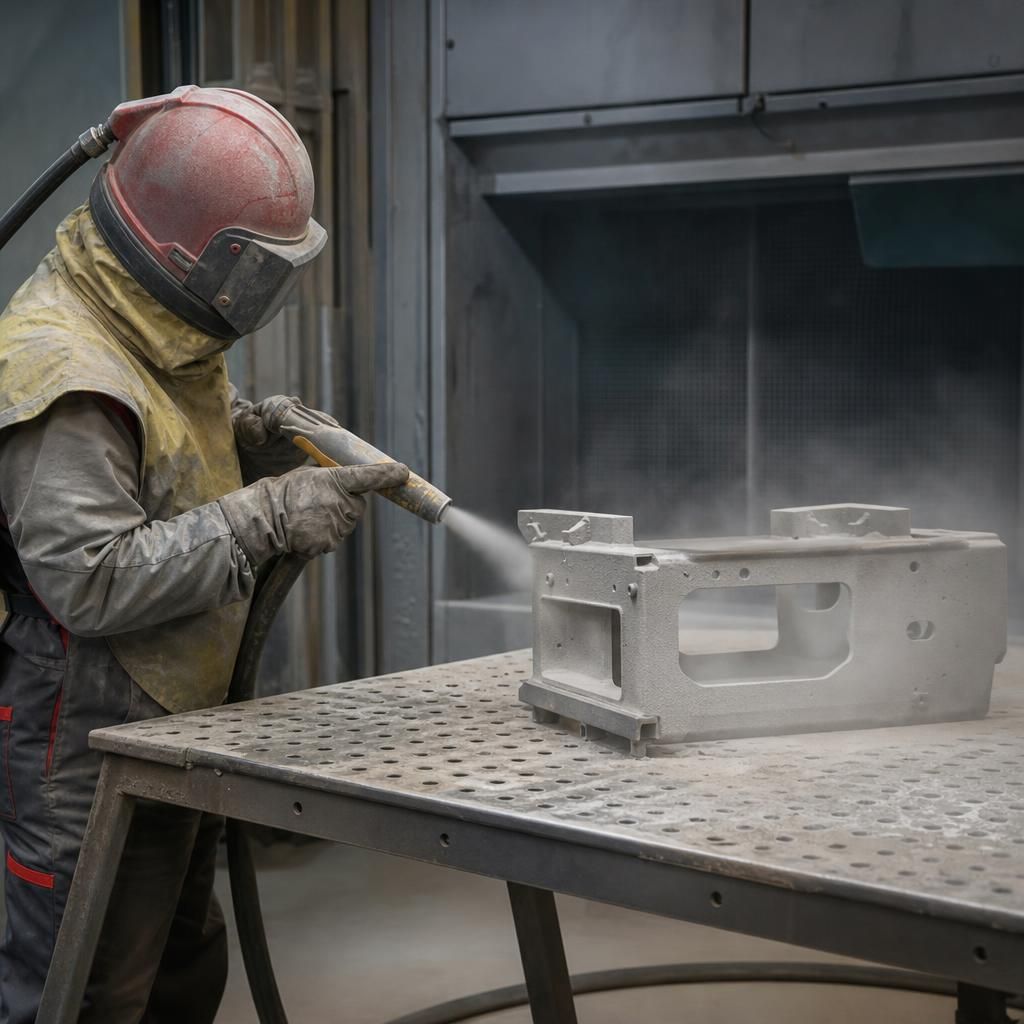
Laser Coating Removal
Laser technology offers an eco-friendly, precise method for stripping coatings from small or detailed metal parts, reducing waste and environmental impact.
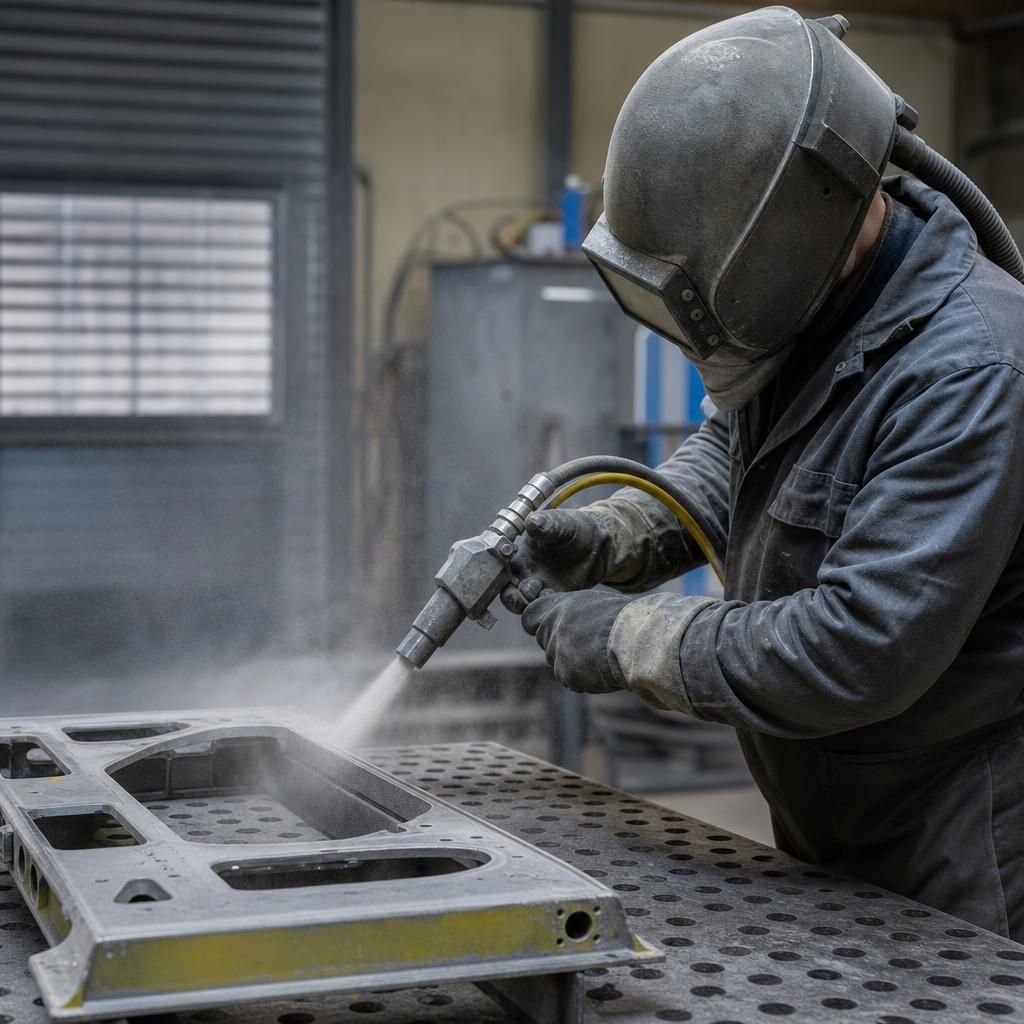
Hot Caustic Baths
Use hot caustic baths to effectively strip stubborn coatings from robust metal surfaces, preparing them for repair and ensuring excellent adhesion for the new coat.
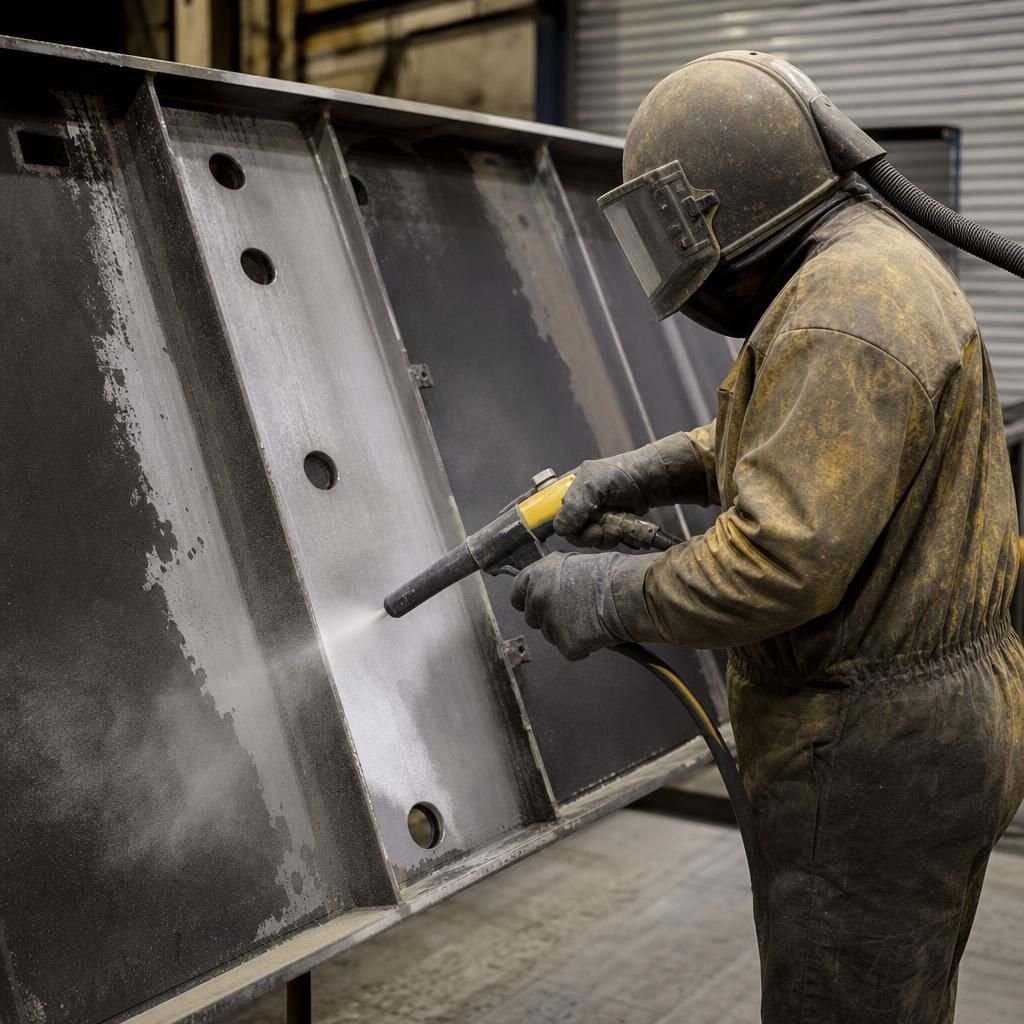
Electrostatic Cleaning
Electrostatic methods efficiently clean detailed metal surfaces, ensuring thorough preparation for new coatings and reducing potential adhesion issues.
Key Questions for Effective Powder Coating Removal
What are the most effective methods for removing powder coating from metal surfaces?
For optimum powder coating removal, use finely-tuned methods tailored to surface type, ensuring thorough, damage-free stripping. Clean and assess the substrate post-removal to confirm readiness for effective recoating.
What factors should be considered when choosing between mechanical and chemical stripping for powder coating removal?
Consider metal type, coating condition, and precision needs; mechanical methods suit robust substrates, while chemical stripping offers delicate handling. Consult with experts for tailored advice ensuring superior results.
How does the condition of the metal substrate influence the choice of powder coating removal method?
A compromised metal substrate with rust or damage may require mechanical stripping for robust cleaning, while smooth surfaces often benefit from chemical methods to ensure precision and surface integrity.
What safety precautions should be taken during the removal of powder coating from metal surfaces?
Always wear protective gear, including gloves and goggles, to guard against chemical exposure and abrasive materials. Ensure proper ventilation to prevent inhalation hazards during both mechanical and chemical stripping.
What environmental compliance considerations are involved in powder coating removal processes?
Ensure all processes comply with environmental regulations, including disposal of chemical strippers and dust containment during mechanical methods, safeguarding both workers and the environment from potentially harmful impacts.