
Powder Curing After Pretreatment
Powder curing after pretreatment is a crucial phase in achieving durable, long-lasting finishes. This process involves baking the applied powder coating at specific temperatures to ensure optimal adhesion and finish quality. Effective powder curing requires precise control of oven settings and monitoring to meet the unique requirements of materials like ceramics, ensuring uniform and flawless results. Understanding the optimal temperatures for powder curing helps in preventing defects and achieving the intended performance of the coating.
At Powder Coatings Ltd, our powder coating procedure combines over 50 years of experience with ISO 9001 approved quality systems to deliver reliable, durable, and high-performance finishes for industrial and commercial applications. From detailed surface preparation and electrostatic powder application through to precision oven curing, every stage is carefully controlled to achieve outstanding coating quality and long-term protection.
Established Over 50 Years
Trusted powder coating specialists serving UK industries since 1972.
ISO 9001 Approved Quality
Full traceability and strict quality control procedures on every project.
Fast Turnaround Times
72-hour turnaround with optional 24-hour express coating service.
Specialist Powder Coating Solutions
Advanced coatings and technical expertise for complex industrial applications.
Understanding the Powder Curing Process
The powder curing process after pretreatment is pivotal in ensuring a robust and durable finish on metal components. This stage in the powder coating process involves heating the applied powder in a specially calibrated oven, which melts the powder particles and forms a continuous, bonded film over the substrate. By precisely managing the curing temperature and time, professionals can safeguard against common defects like orange peel or insufficient adhesion, thus ensuring the optimal performance and longevity of the coating.
Different materials and coating types will require specific curing temperatures and durations. For instance, ceramic powder coatings, known for their thermal stability and hardness, often demand higher cure temperatures compared to conventional powders. It is crucial to adhere to the recommended guidelines for each powder type to achieve the desired finish quality. Proper calibration and monitoring of the curing equipment are essential, as these factors directly influence the hardness and appearance of the final coating.
To achieve a flawless powder coating finish, practitioners must focus on maintaining an even temperature throughout the curing oven. This uniformity ensures that all parts of the coated component reach the necessary cure point simultaneously, preventing issues such as uneven gloss or texture. Engaging with specialists who understand the nuances of powder curing can streamline the process, making it efficient and cost-effective. Trust in expert advice and proven techniques ensures that the final product meets industry standards and client expectations.
Key Features of the Powder Curing Process
Exploring the comprehensive aspects of the powder curing process provides invaluable insights into achieving superior and durable finishes. Transforming technical specifications into practical benefits, this guide highlights key features, ensuring your investment in powder coatings maximizes performance and reliability.
Precision Temperature Control
Strict temperature regulation during the powder curing phase is vital for consistency and quality. Maintaining the correct temperature ensures that the coating conforms perfectly to the component's surface, eliminating defects and ensuring longevity.
Optimised Curing Time
Specific curing times tailored to the material and coating type are necessary for achieving optimal adhesion and coating performance. Correct timing guarantees the bond strength of the coating, ensuring it meets durability expectations.
Uniform Heat Distribution
Ensuring even temperature across the curing oven is essential to achieve a uniform coating. This ensures all areas of the component cure simultaneously, preventing inconsistent textures or gloss levels.
Equipment Calibration and Monitoring
Regular calibration and monitoring of curing ovens ensure they function within ideal parameters. This proactive approach prevents energy wastage and ensures high-quality finishes by adhering strictly to required curing protocols.
Flexible Curing Solutions for Diverse Materials
Adapting the curing process to cater to various materials, from metals to ceramics, allows for tailored solutions that meet specific industrial requirements. This flexibility ensures coatings remain effective across all applications.
Real People, Real Expertise in Powder Coatings
Powder curing after pretreatment is an essential part of the powder coating process, ensuring the durability and longevity of the finish. This step involves heating the applied powder to specific temperatures, which causes the particles to melt and form a seamless layer over the substrate. Precision in controlling these temperatures is vital for achieving optimal results, particularly when working with materials like ceramics that require higher cure temperatures.
Effective powder curing demands careful calibration of equipment to avoid defects such as uneven gloss or poor adhesion. Maintaining uniform temperatures throughout the curing oven guarantees that all parts reach the necessary cure point simultaneously, which is crucial for a consistent finish. Understanding these nuances ensures the coated components meet industry standards.
Working with specialists in powder curing can significantly enhance the quality and efficiency of the process. Their expertise in managing the intricacies of temperature and time settings ensures that your powder coating needs are met efficiently. Engaging professionals not only streamlines operations but also provides peace of mind that your projects will meet client expectations and stand the test of time.
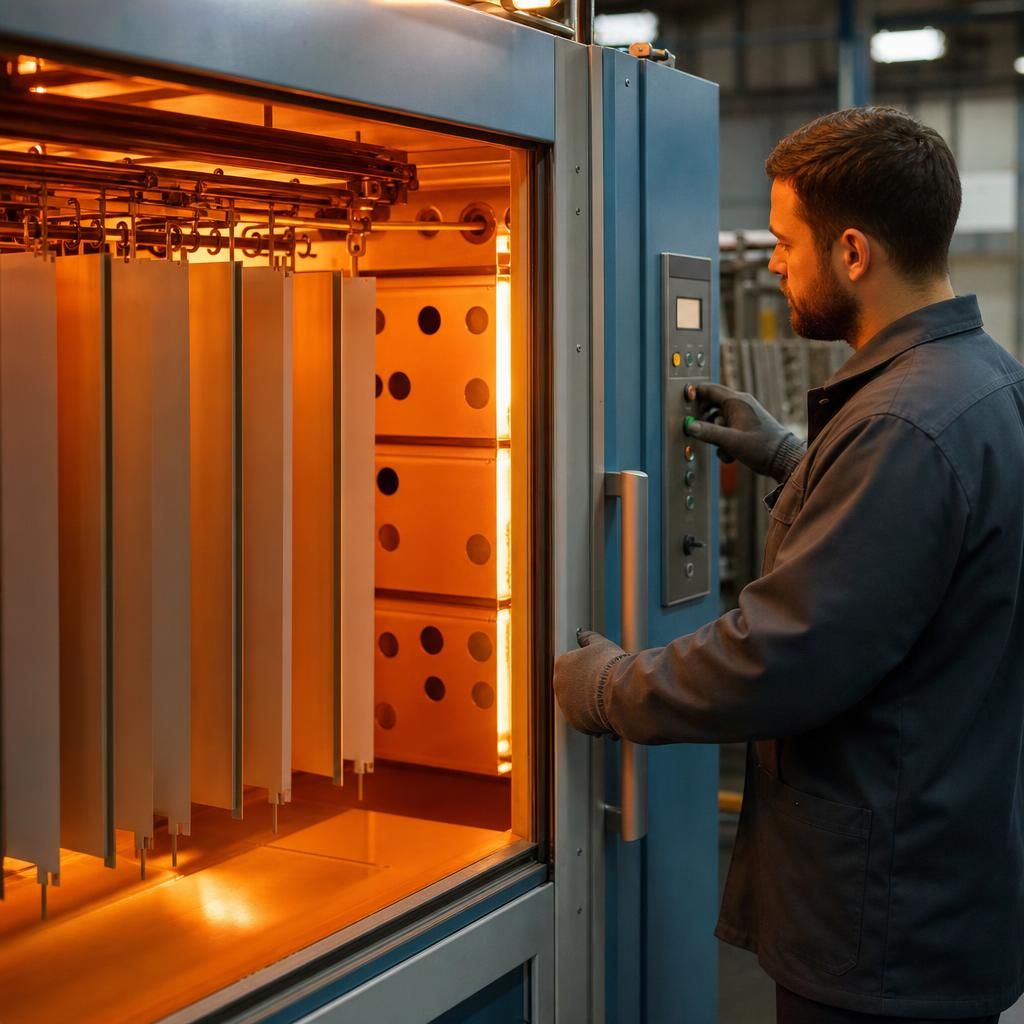
Frequently Asked Questions on Powder Curing After Pretreatment
What are the risks of incorrect powder curing temperatures?
Powder curing finalises the coating process by ensuring the powder melts and bonds, creating a durable surface. Maintain precise oven settings for uniform results and optimal performance across various coatings.
How can incorrect curing times impact coating performance?
Incorrect curing times can cause incomplete bonding or over-baking, leading to weak adhesion, surface defects, or reduced finish quality. Adhering to correct curing times ensures optimal coating durability and performance.
What role does oven calibration play in the powder curing process?
Oven calibration is essential for maintaining precise temperatures, ensuring uniform melting and bonding during powder curing, which is critical for achieving consistent, high-quality finishes and preventing defects.
Why is uniform temperature crucial during the powder curing process?
Uniform temperature ensures all powder particles melt and bond consistently, preventing defects like uneven gloss or weak adhesion and ensuring the coating's durability and aesthetic quality across the entire component.
What techniques can enhance the consistency of powder curing results?
Employing infrared sensors and consistent air circulation in curing ovens can significantly enhance uniform heat distribution, ensuring consistent and reliable results across different parts and complex geometries.
Key Features of the Powder Curing Process
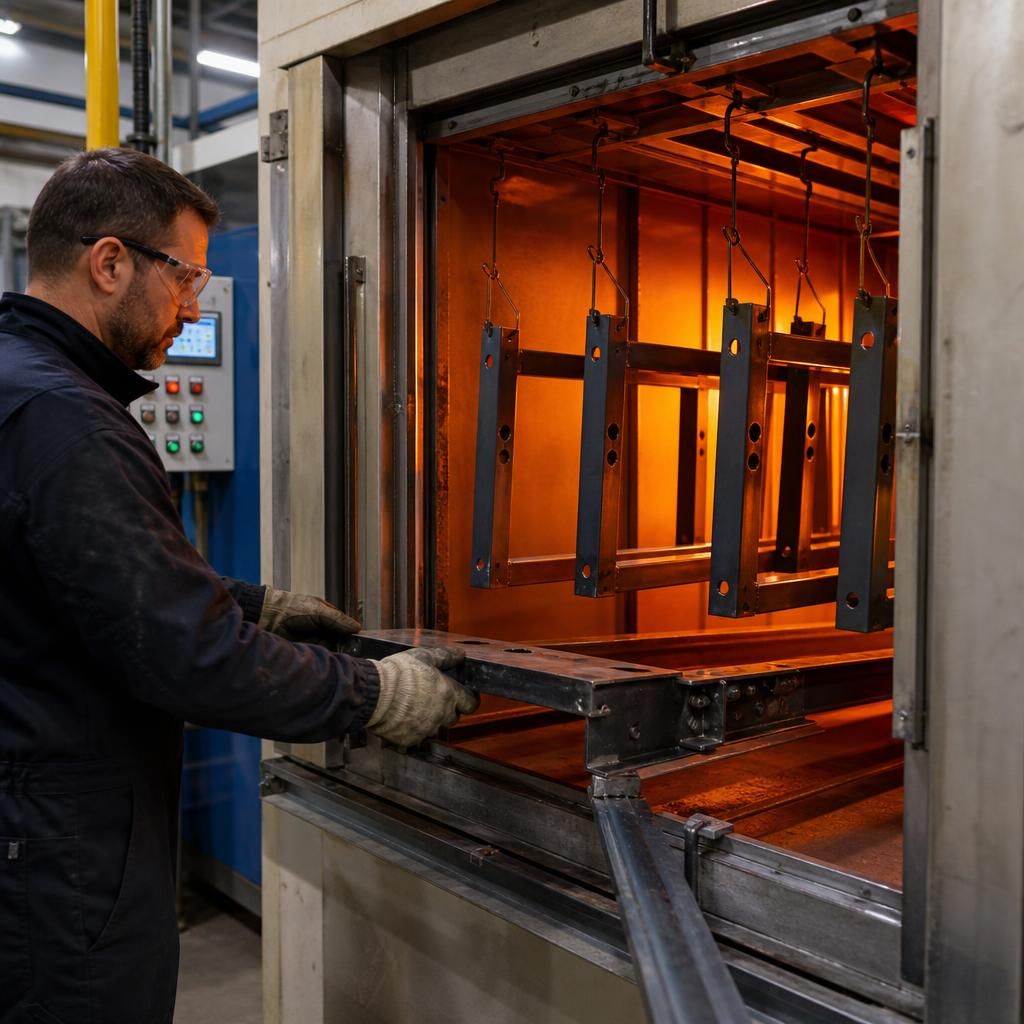
Uniform Heat Distribution
Achieving uniform heat distribution within the curing oven is crucial for ensuring all coated areas receive the same treatment, leading to a consistent and quality finish across the entire metal component. Proper calibration and monitoring of the oven are essential for maintaining this balance.
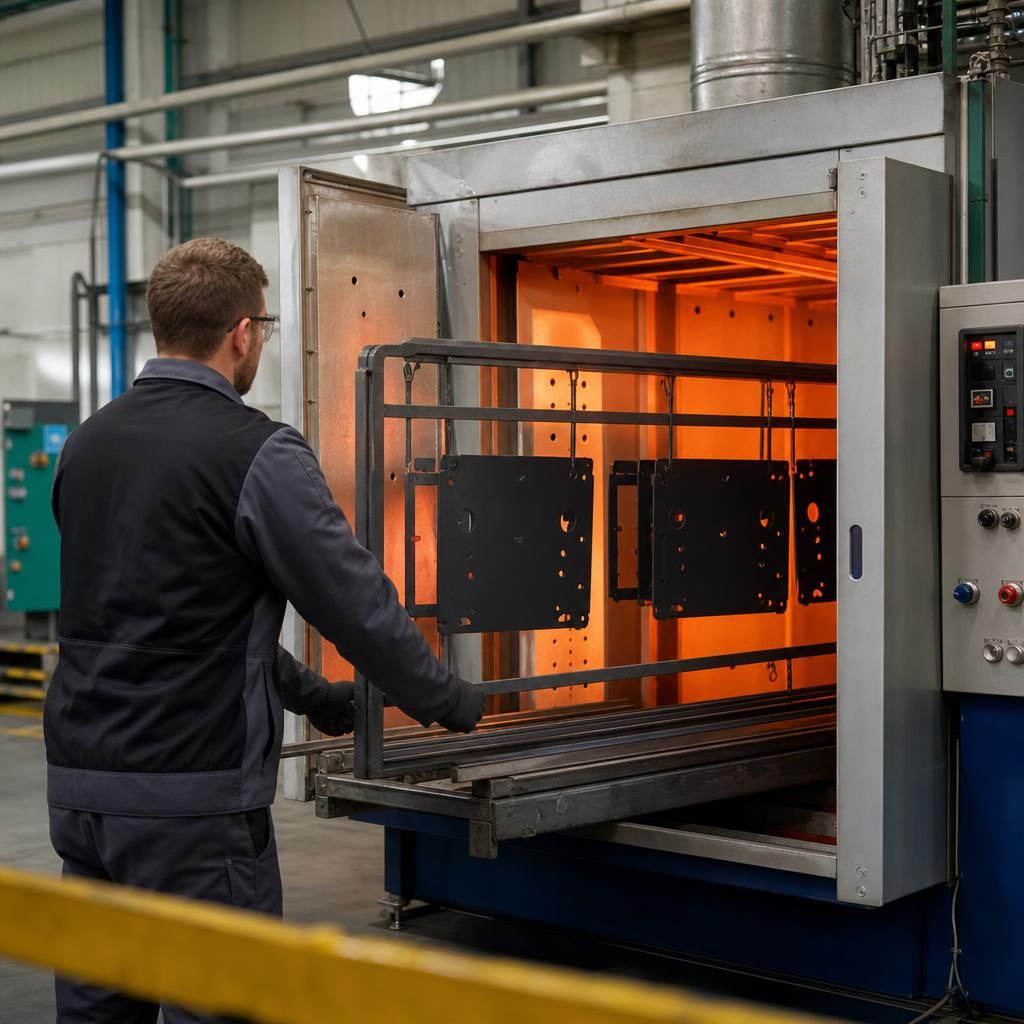
Precise Temperature Control
Precise temperature control is vital to meet the specific curing requirements of different powder coatings. Digital control systems offer the necessary precision to adjust and maintain temperatures, ensuring optimal curing without risking defects like under-curing or overheating.
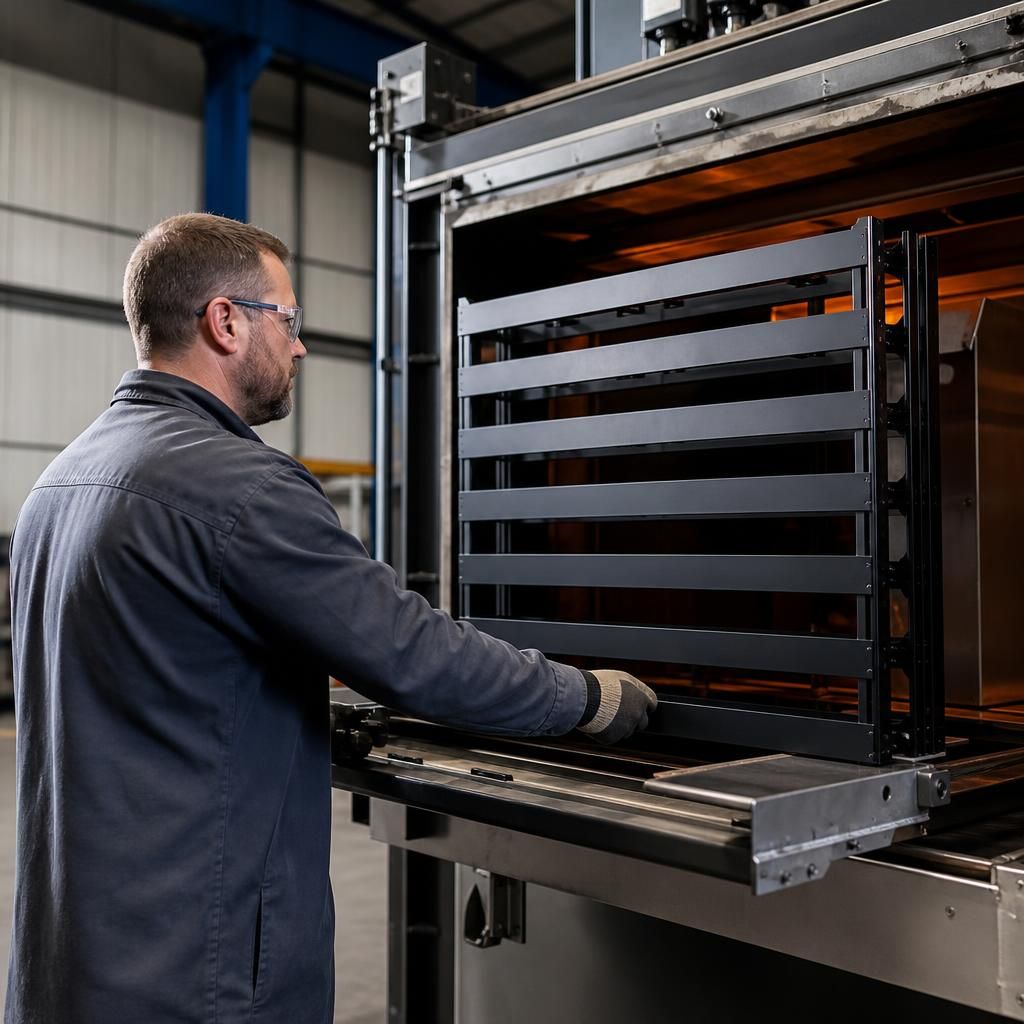
Regular Equipment Calibration
Regular calibration of curing ovens ensures they operate at the correct settings, which is essential for achieving the desired coating quality. It helps prevent potential variations in oven performance, maintaining consistency throughout the powder curing process.
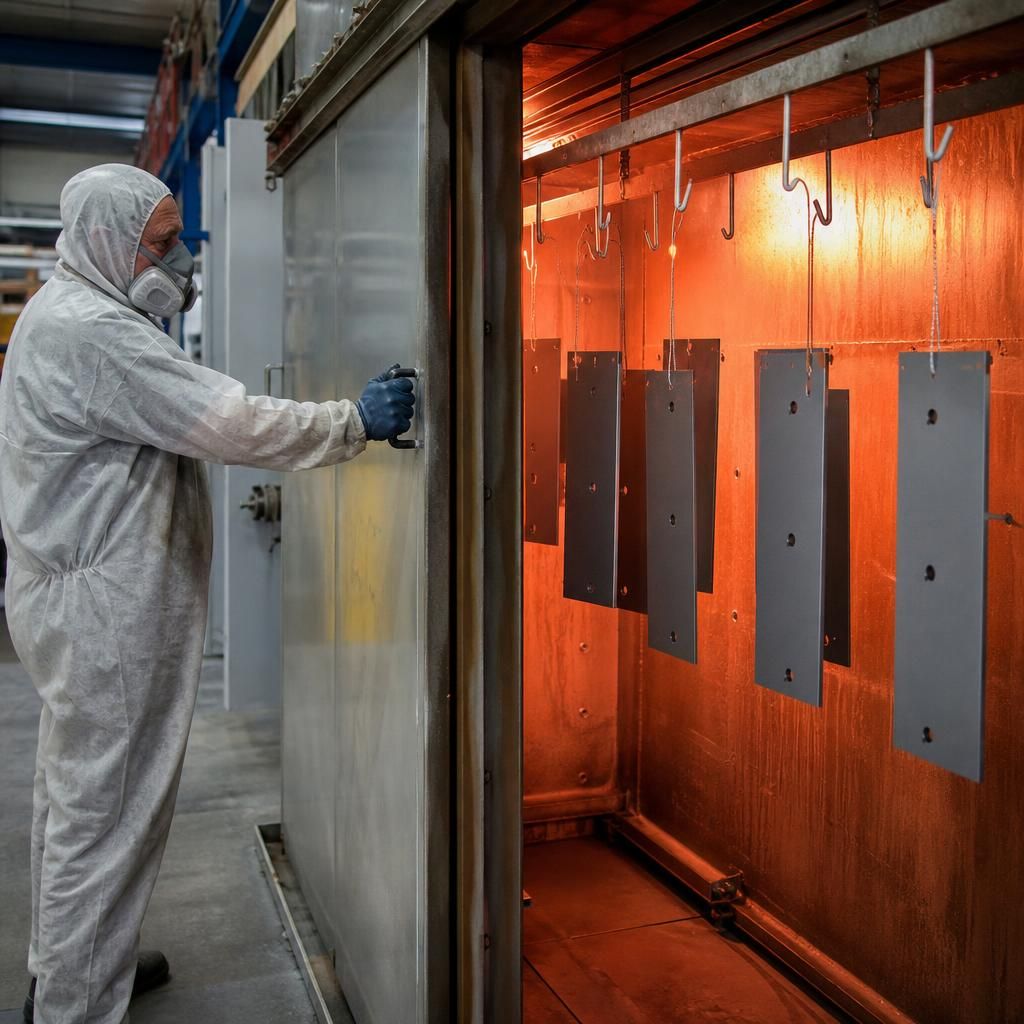
Efficient Cooling Process
Following curing, an efficient cooling process helps lock in the coating's properties and prevents defects. By reducing the risk of warping or color shifts, controlled cooling contributes to achieving a flawless and durable finish.
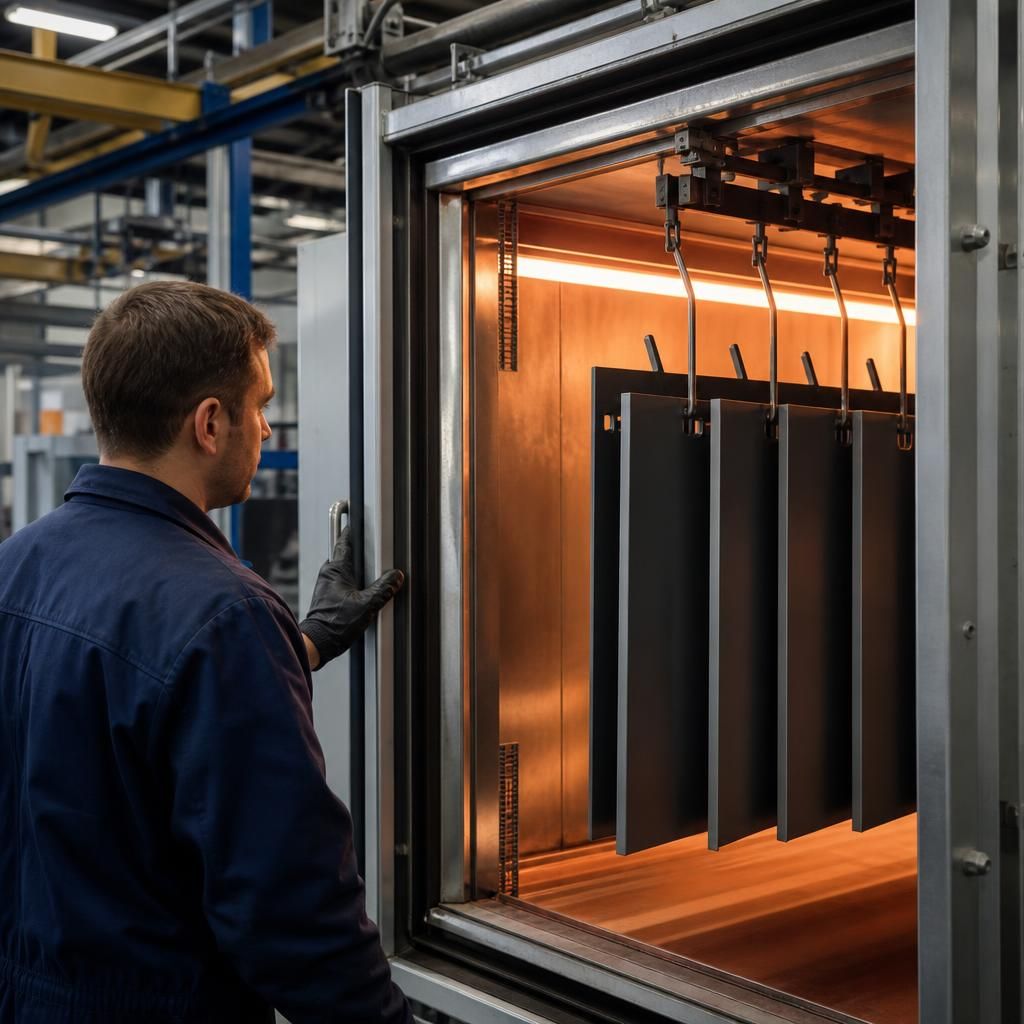
Expert Inspection and Quality Control
Expert inspection and quality control are essential steps in the powder curing process, ensuring every component meets industry standards. Through meticulous evaluation, professionals can confirm the uniformity and adhesion of the coating, guaranteeing high performance and durability.
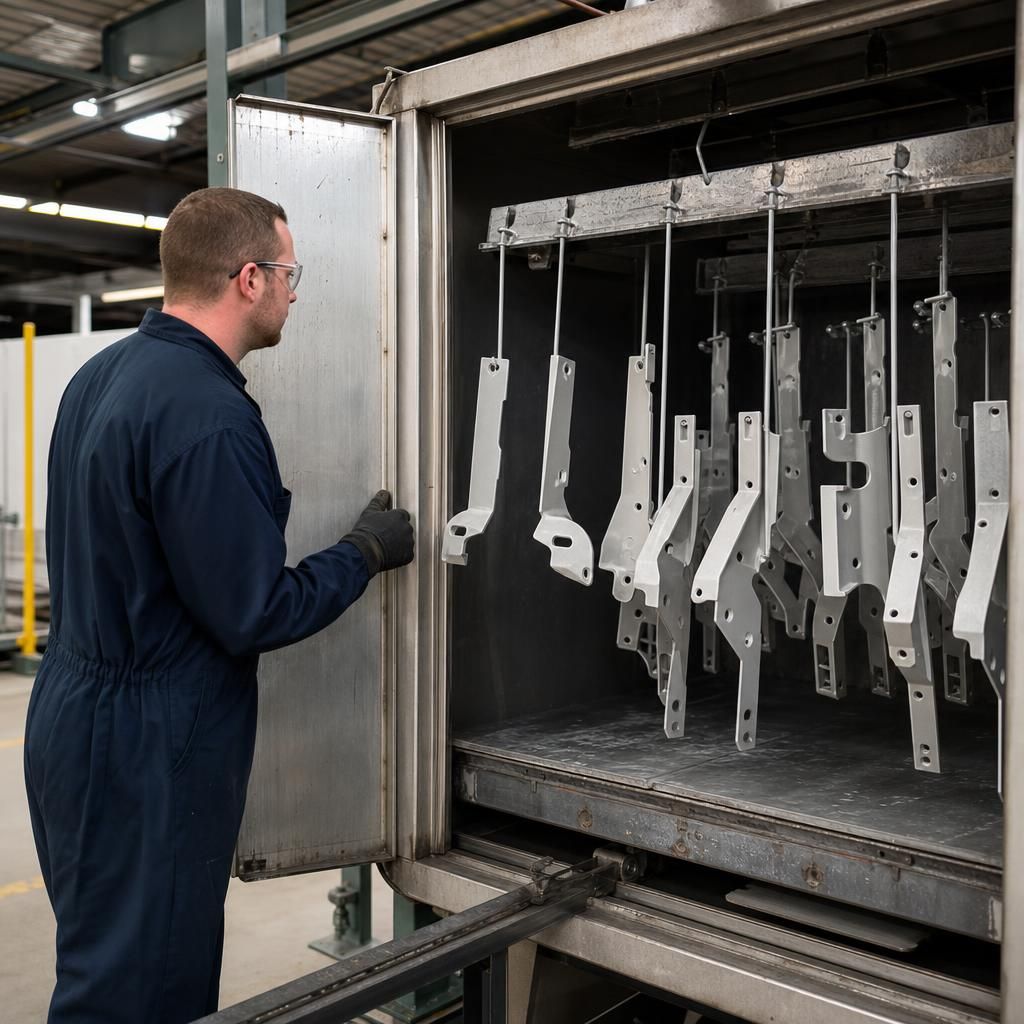
Collaboration with Specialists
Collaborating with specialists can greatly enhance the powder curing process. Their expertise in managing complex temperature and timing settings ensures efficiency and consistency, crucial for meeting demanding industry requirements with each batch of coated components.
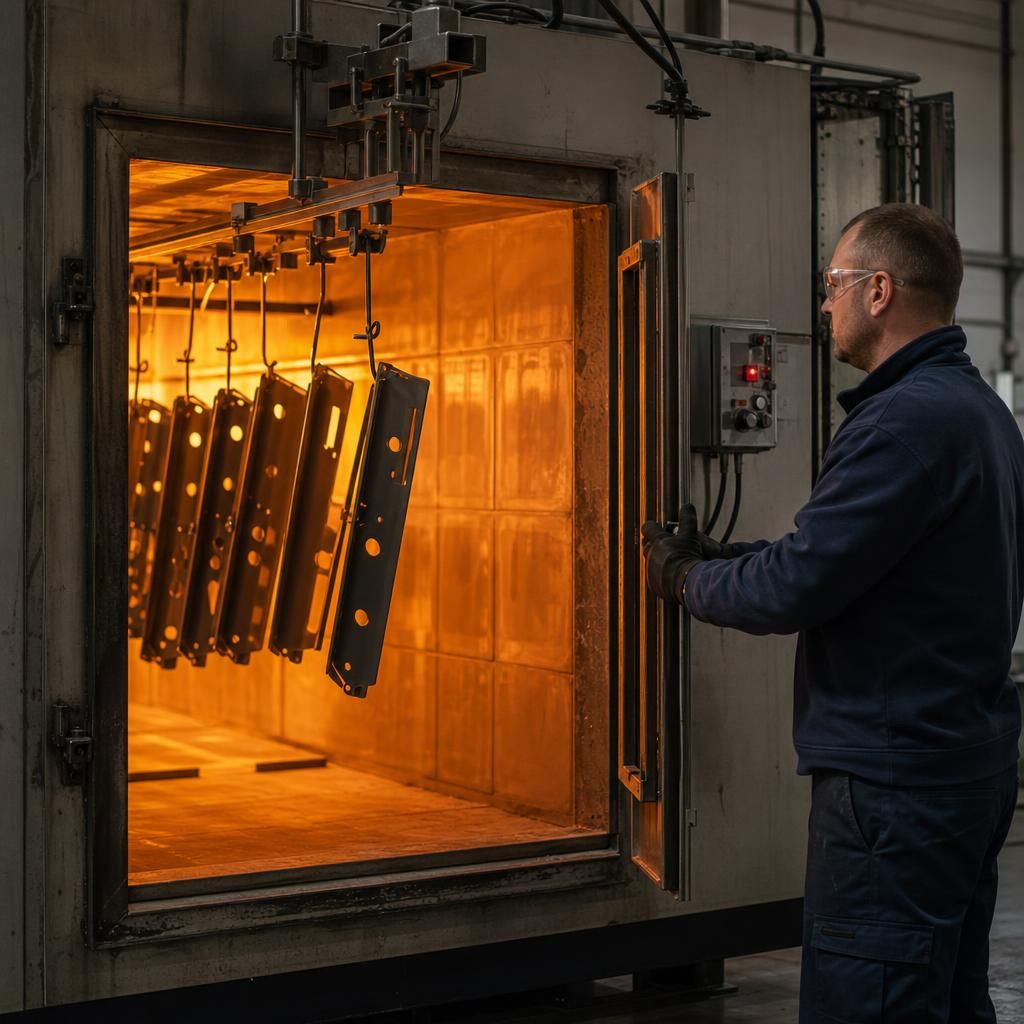
Material-Specific Adjustments
Understanding the unique curing requirements of different materials, such as ceramics or nylon, allows for material-specific adjustments in the process. This knowledge is key to ensuring each type of coating achieves its optimal performance characteristics.
Seamless Durability
Optimal powder curing maximises coating performance, ensuring superior durability and finish quality every time with expert precision control.
Questions to Ensure Optimal Powder Curing
What are the recommended ceramic powder coating cure temperatures to ensure optimal adhesion and durability?
Ensure ovens are calibrated correctly to maintain consistent temperatures throughout, preventing defects and guaranteeing a high-quality, durable finish that meets industry standards and enhances product longevity.
How can precision control of curing oven variables improve the overall quality and consistency of powder coatings?
Precision control minimises temperature fluctuations, preventing defects such as blistering or incomplete curing, thus enhancing adhesion and appearance. This ensures a uniform, high-quality coating appropriate for industrial standards.
What methods can be utilised to ensure uniform temperature distribution within curing ovens for consistent powder coating results?
Utilise strategically placed thermocouples and calibrated probes to monitor and adjust for consistent temperature across the oven chamber. This ensures uniform heating, preventing issues like uneven curing and enhancing coating reliability.
What are the key indicators that a powder coating has been cured effectively after pretreatment?
Effective curing is evident through a uniform, smooth finish, consistent gloss levels, and robust adhesion throughout the coated surface, all indicating proper temperature and time settings have been achieved.
What are the potential consequences of inadequately monitoring cure temperature profiles during the powder curing process?
Inadequate temperature monitoring can lead to defects like discoloration, weakened adhesion, and compromised durability, undermining coating reliability and potentially resulting in costly rework and non-compliance with quality standards.
Unlock Flawless Finishes with Expert Powder Curing
Powder curing after pretreatment is crucial for achieving robust, high-quality finishes on metal components. It ensures optimal adhesion and prevents defects, prolonging the lifespan of industrial coatings. By tailoring temperatures to each specific coating, particularly ceramics, the process enhances performance and reliability.