
Thermoplastic Powder Coating
Thermoplastic Powder Coating offers a versatile solution for metal components, providing excellent durability and a protective barrier against corrosion. This technology is ideal for industries requiring long-lasting and resilient finishes. Choose our expert service for high-quality results tailored to your needs.
At Powder Coatings Ltd, our powder coating procedure combines over 50 years of experience with ISO 9001 approved quality systems to deliver reliable, durable, and high-performance finishes for industrial and commercial applications. From detailed surface preparation and electrostatic powder application through to precision oven curing, every stage is carefully controlled to achieve outstanding coating quality and long-term protection.
Established Over 50 Years
Trusted powder coating specialists serving UK industries since 1972.
ISO 9001 Approved Quality
Full traceability and strict quality control procedures on every project.
Fast Turnaround Times
72-hour turnaround with optional 24-hour express coating service.
Specialist Powder Coating Solutions
Advanced coatings and technical expertise for complex industrial applications.
Understanding Thermoplastic Powder Coating
Thermoplastic powder coating is a specialist finishing process ideal for enhancing the durability and longevity of metal components. Unlike traditional paints, thermoplastic coatings form a robust, seamless layer that melts and adheres to the substrate when heated, creating a highly resistant barrier against wear, corrosion, and environmental damage. This process is particularly beneficial in high-traffic areas or for components exposed to harsh conditions, making it an excellent choice for industrial applications.
The key to thermoplastic powder coating is its composition. It utilises plastics such as nylon, polyethylene, and polypropylene that offer distinct properties like flexibility, chemical resistance, and impact strength. These characteristics make thermoplastic coatings suitable for industries such as manufacturing, automotive, and construction, where customised performance features are often required. Furthermore, this type of coating is known for its repairability, allowing easy corrections on-site if any damages occur, ensuring ongoing maintenance is straightforward.
When opting for thermoplastic powder coating, understanding your specific application needs is crucial. Consider factors like the operating environment, desired aesthetic outcomes, and mechanical stresses the coated components will endure. By choosing a specialist provider like Powder-coatings.co.uk, you benefit from expert guidance and customised solutions that meet your industry requirements, ensuring your components are not only protected but also enhanced in performance and appearance. For tailored advice and high-quality finishes, our team is ready to assist you in selecting the best coating solution for your project.
Features of Thermoplastic Powder Coating and Their Benefits
Explore the robust benefits of Thermoplastic Powder Coating, offering superior durability and protection for industrial applications. This section details specific coating features and their practical advantages, helping you make informed decisions for your metal finishing needs.
Exceptional Durability
Thermoplastic powder coatings provide exceptional durability by forming a thick, protective layer that withstands wear and tear in heavy-duty industrial environments. This resilience helps reduce maintenance costs and extend the lifespan of coated components.
Superior Chemical Resistance
The thermoplastic composition offers superior resistance to chemicals, oils, and solvents. This makes it an ideal choice for industries where components are frequently exposed to harsh substances, ensuring the integrity and appearance of your equipment remain uncompromised.
Enhanced Impact Strength
Thermoplastic coatings significantly enhance the impact resistance of metal components, reducing the likelihood of surface damage from physical force or collision. This feature is particularly beneficial in environments where equipment is subject to frequent handling or potential impacts.
Environmentally Friendly Application
Unlike some traditional coatings, thermoplastic powder coating is applied without the use of solvents, making the process more environmentally friendly. The absence of volatile organic compounds (VOCs) contributes to safer workplace conditions and reduces environmental impact.
Easy On-Site Repairs
Thermoplastic coatings are known for their repairability, allowing for straightforward touch-ups if damage occurs. This feature ensures minimal downtime and cost-effective maintenance, keeping your operations running smoothly without prolonged interruptions.
Committed to Craftsmanship and Care
Thermoplastic powder coating is a durable finishing option that creates a strong, protective layer for metal surfaces, ideal for demanding industrial environments. These coatings, composed of materials like nylon and polyethylene, are particularly suited for industries that demand reliable performance and enhanced resistance to wear, corrosion, and environmental impacts.
The application of thermoplastic powder coatings involves melting the powder onto the metal substrate, resulting in a seamless, robust finish. This method not only enhances the longevity of components but also allows for repairability, making maintenance straightforward. It is a preferred choice for projects where longevity and durability are crucial.
Choosing thermoplastic powder coating with our service guarantees high-quality, customised finishes. With extensive expertise and a commitment to excellence, we ensure that each project receives the tailored attention it needs. Our team is here to assist in selecting the right solution, ensuring your components meet industry standards and performance expectations.
Common Questions About Thermoplastic Powder Coating
What are the key differences between thermoplastic powder coating and thermoset powder coating?
Thermoplastic powder coatings melt and flow when heated, forming a seamless finish that enhances durability and provides chemical resistance, ideal for metal components in demanding industrial environments.
How does the application process of thermoplastic powder coating differ from traditional paint methods?
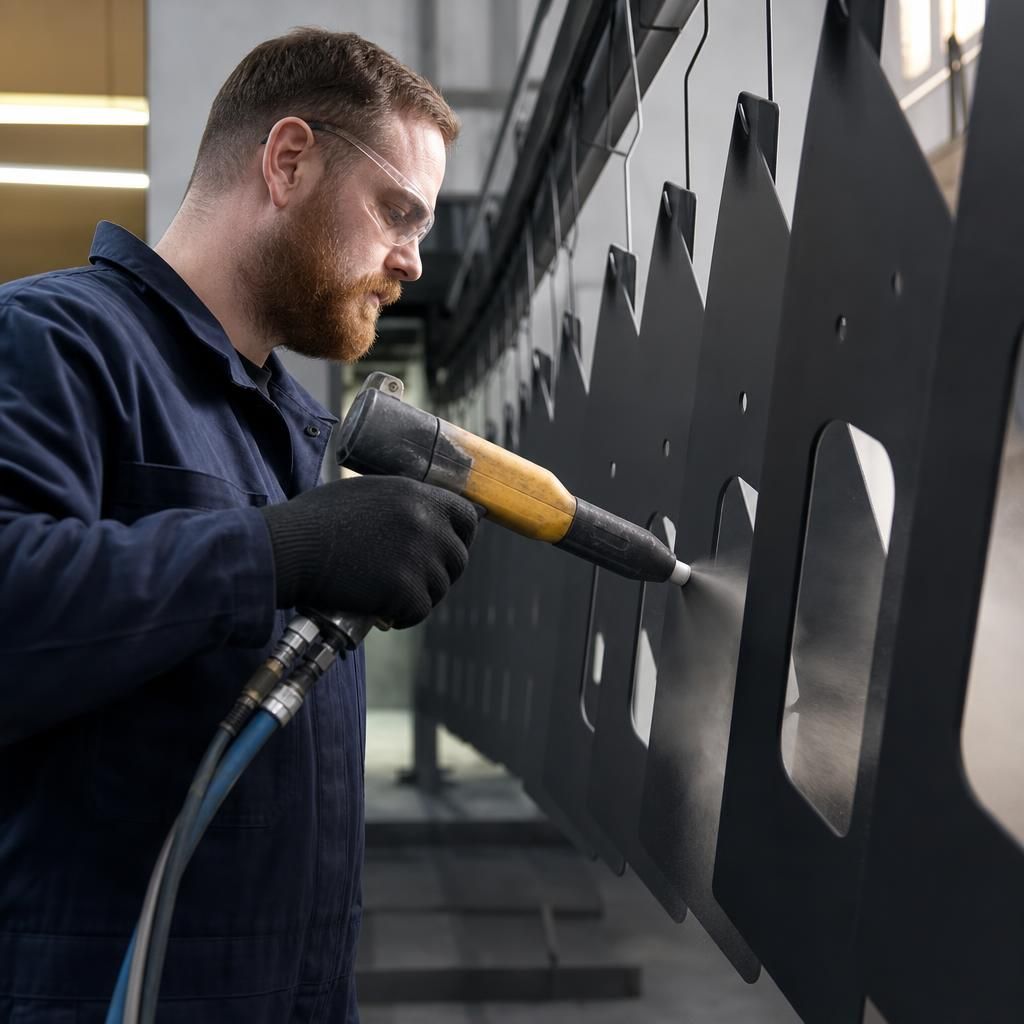
Thermoplastic powder coating involves electrostatically applying powder to metal, then heating for a uniform, durable finish. Unlike paint, it requires less preparation and provides superior resistance to wear and chemicals.
What are the common materials used in thermoplastic powder coating and what are their benefits?
Common materials include nylon, polyethylene, and polypropylene, each offering distinct advantages like chemical resistance, flexibility, and impact strength, making them ideal for various industrial applications requiring durable, long-lasting protection.
How does thermoplastic powder coating contribute to sustainability in industrial applications?
Thermoplastic powder coating improves sustainability by reducing waste through recyclable materials and efficient application, minimising environmental impact. This durable coating extends the lifespan of components, lowering the need for frequent replacements.
What maintenance practices are necessary for ensuring the longevity of thermoplastic powder coatings?
Regularly inspect for physical damage, clear debris gently, and immediately repair any faults to maintain thermoplastic coating integrity and prolong the lifespan of metal components in industrial settings.
Key Features of Thermoplastic Powder Coating
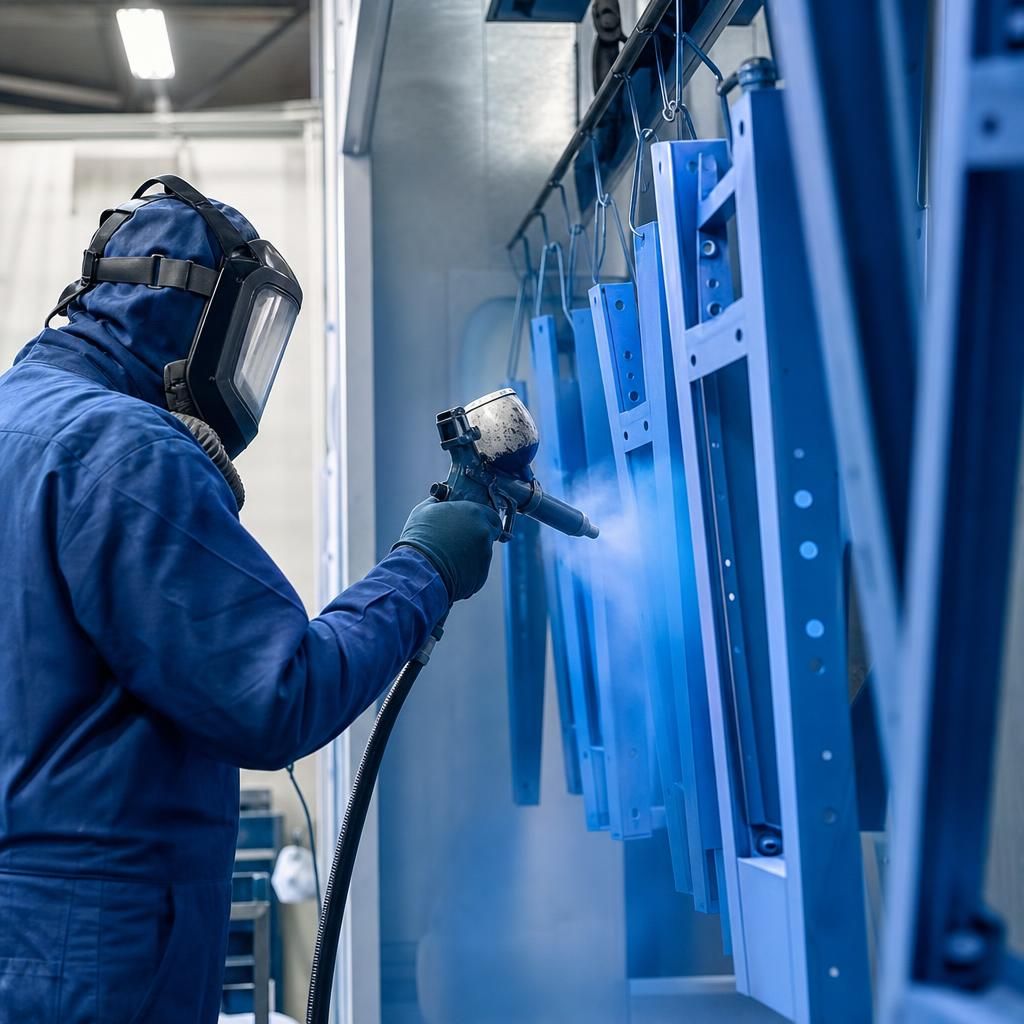
Application Process
The thermoplastic powder coating process involves applying heat to fuse the powder onto metal surfaces, resulting in a seamless, protective barrier. This method guarantees a robust bond that resists chipping and peeling, ensuring long-lasting protection.
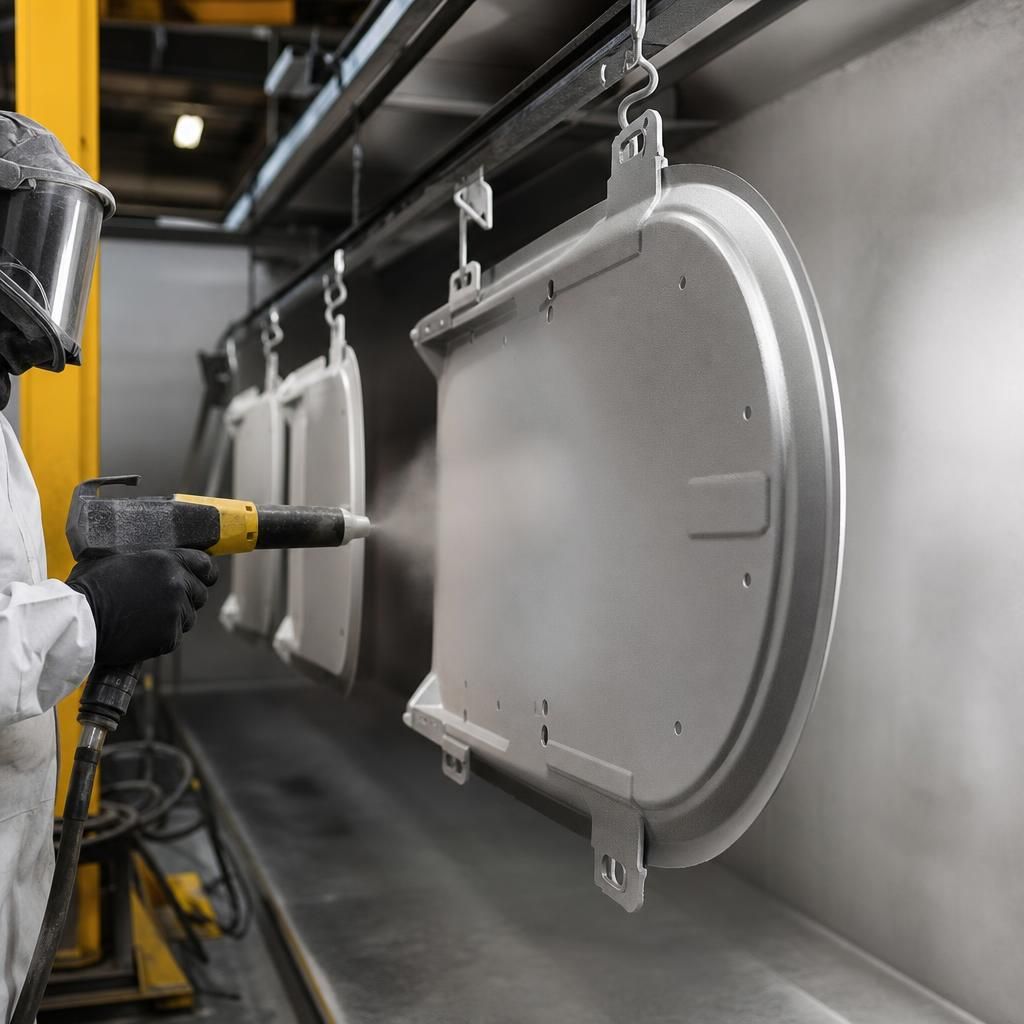
Nylon-Based Coatings
Nylon-based thermoplastic coatings offer superior impact resistance and flexibility, making them ideal for sectors requiring durable protection, such as automotive and construction industries.
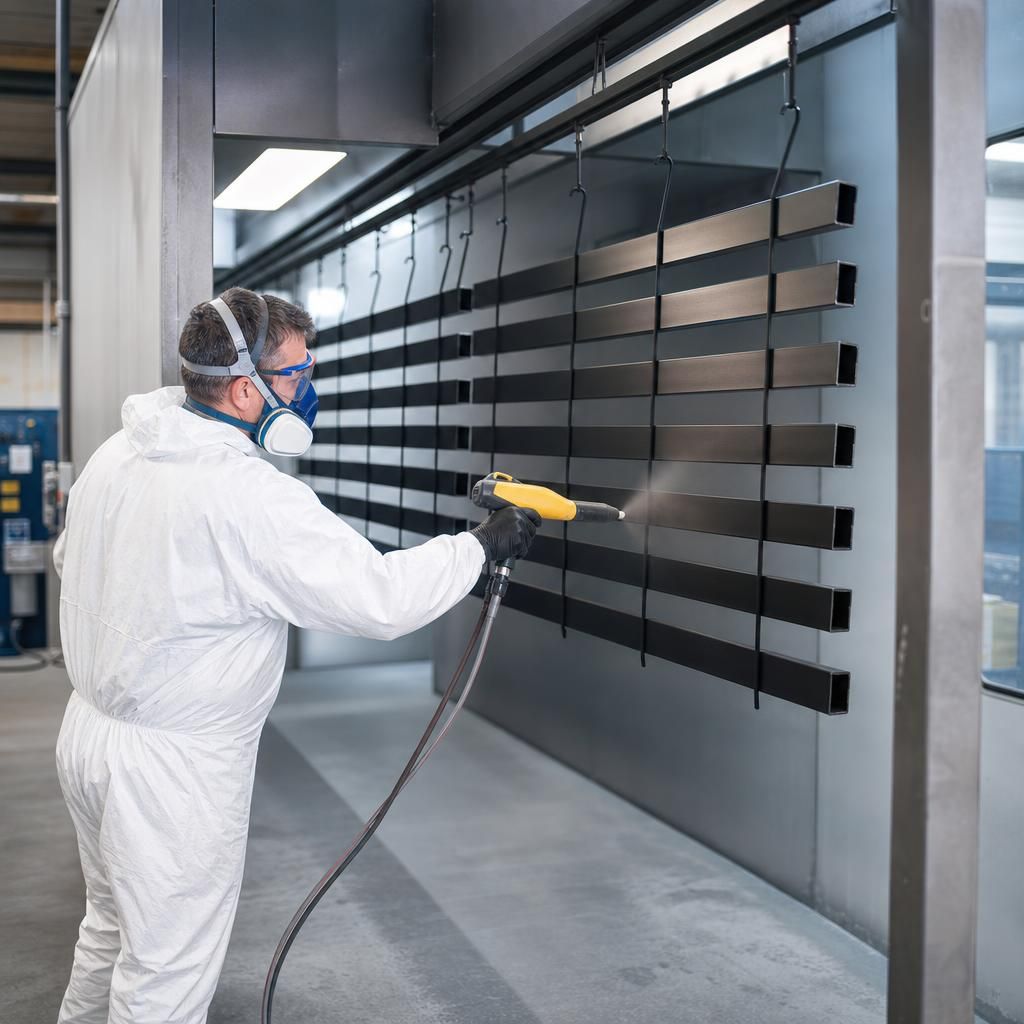
Chemical Resistance
Thermoplastic coatings are favoured for their exceptional chemical resistance, perfectly suited for environments with exposure to harsh chemicals, ensuring your components remain intact and operational.
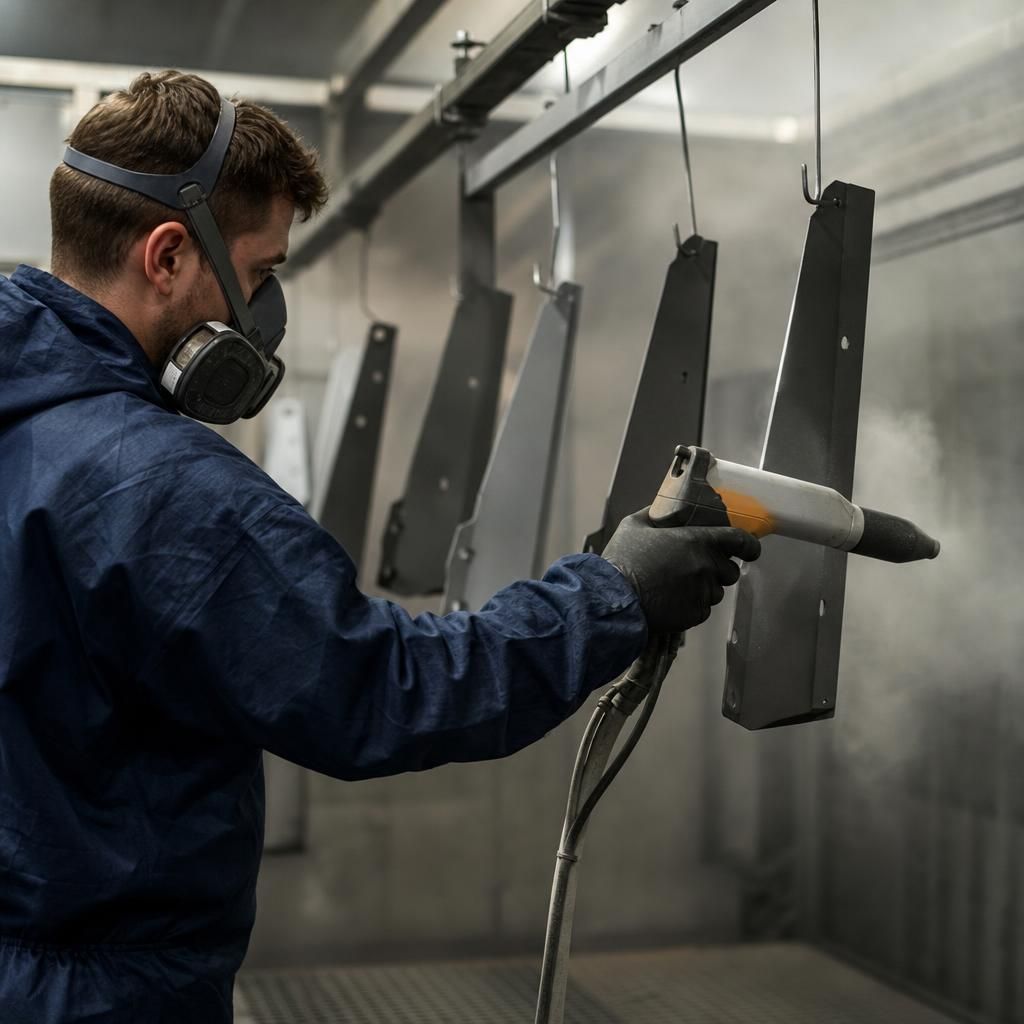
UV Resistance
Thermoplastic powder coatings provide excellent UV resistance, protecting metal surfaces from the damaging effects of sun exposure, ensuring substrate longevity and appearance retention.
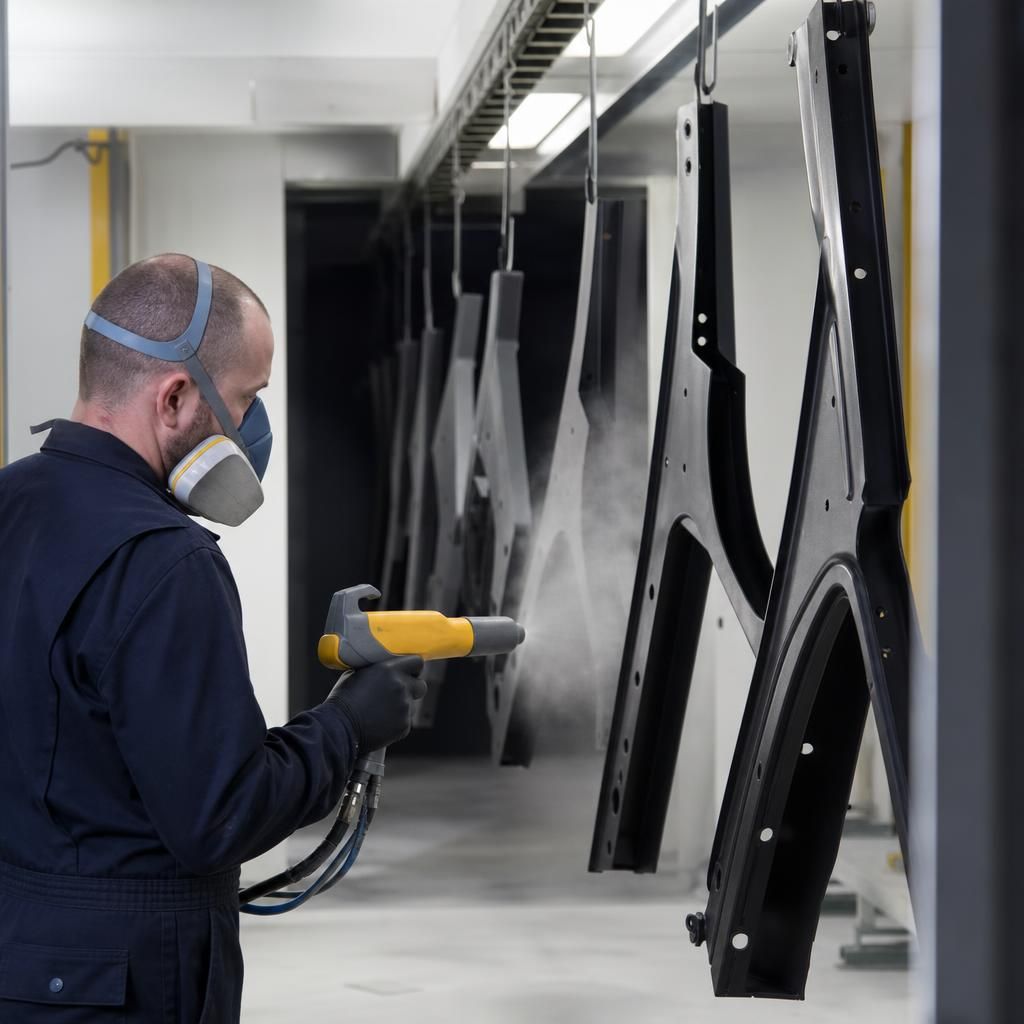
Corrosion Protection
One of the paramount benefits of thermoplastic coatings is their ability to guard against corrosion. By forming an impermeable layer over metal surfaces, they significantly extend the life of industrial components.
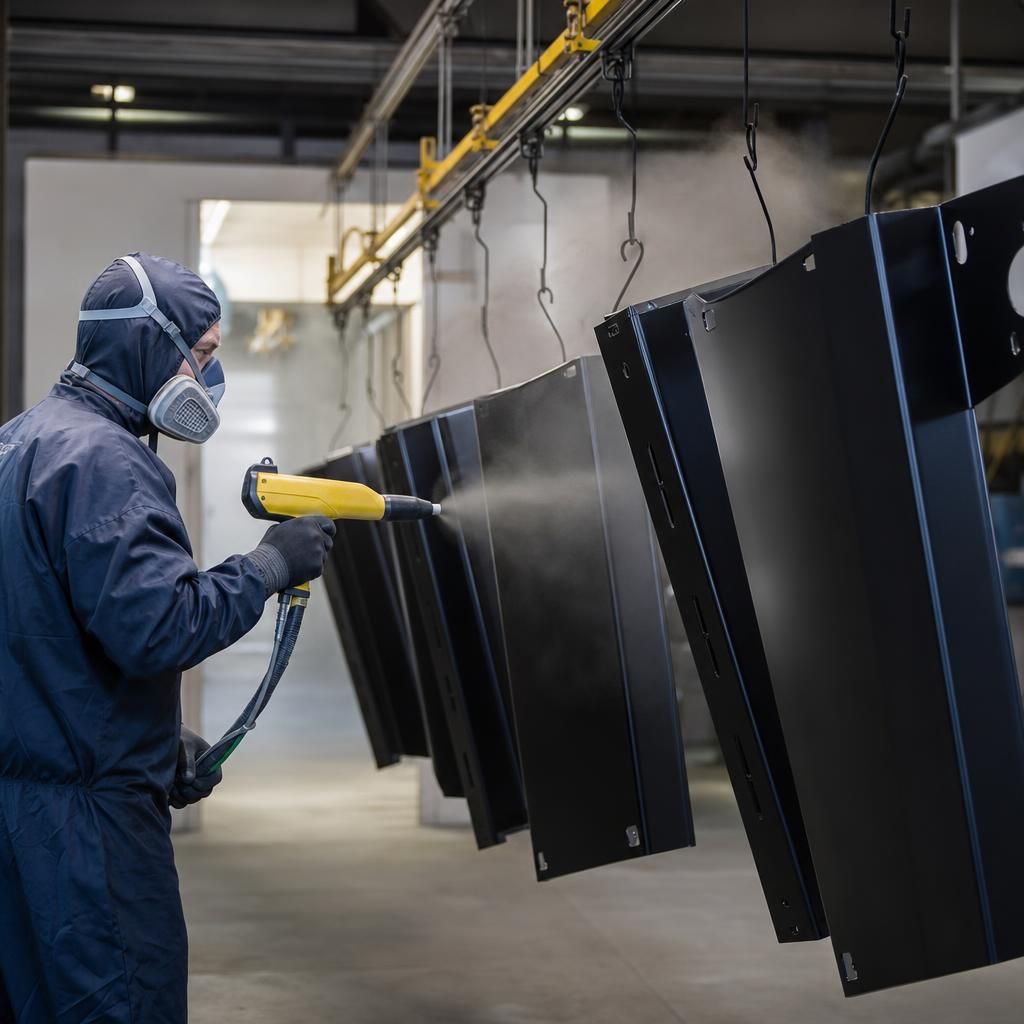
Repairability
These coatings are uniquely repairable; minor damages can be corrected on-site, maintaining the integrity of the component and reducing downtime and maintenance costs.
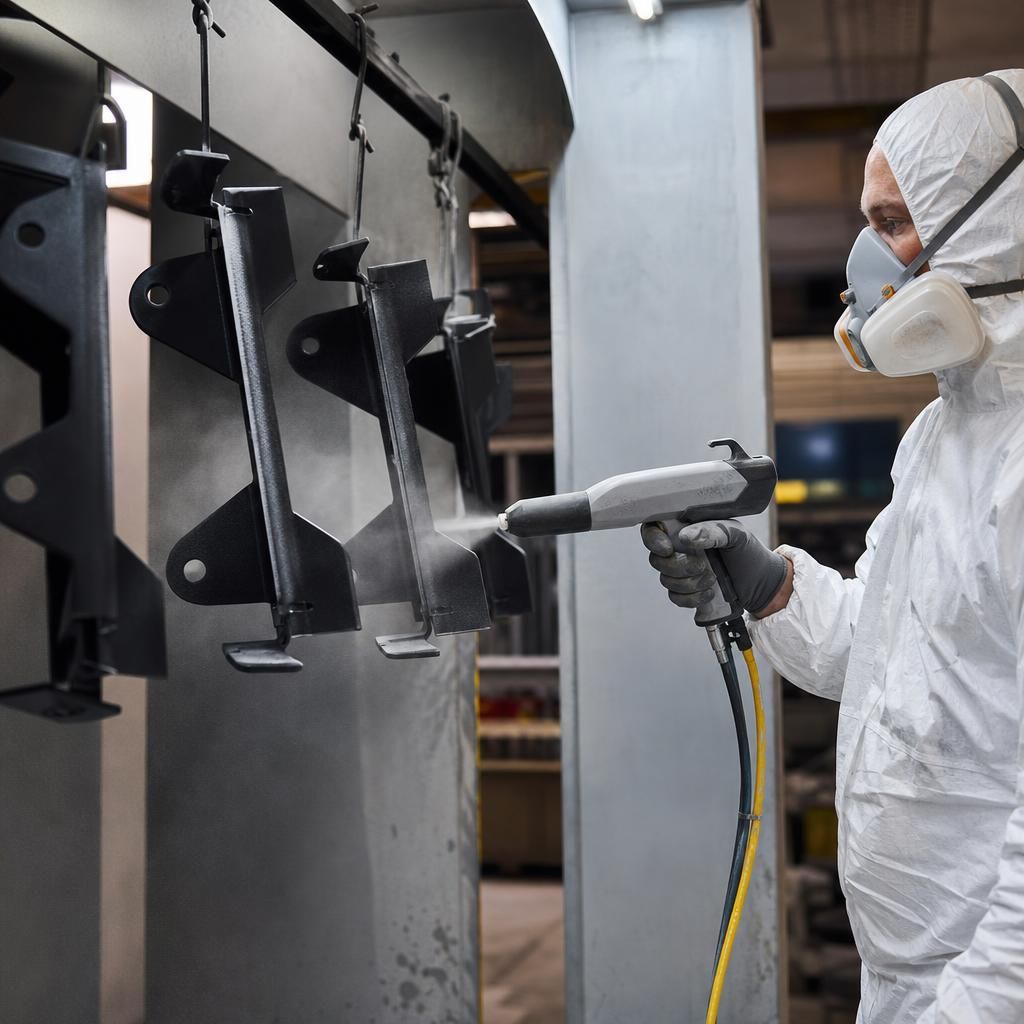
Industrial Applications
Thermoplastic powder coatings are particularly beneficial for large-scale industrial applications, offering durable protection for metal components used in manufacturing, infrastructure, and heavy-duty equipment.
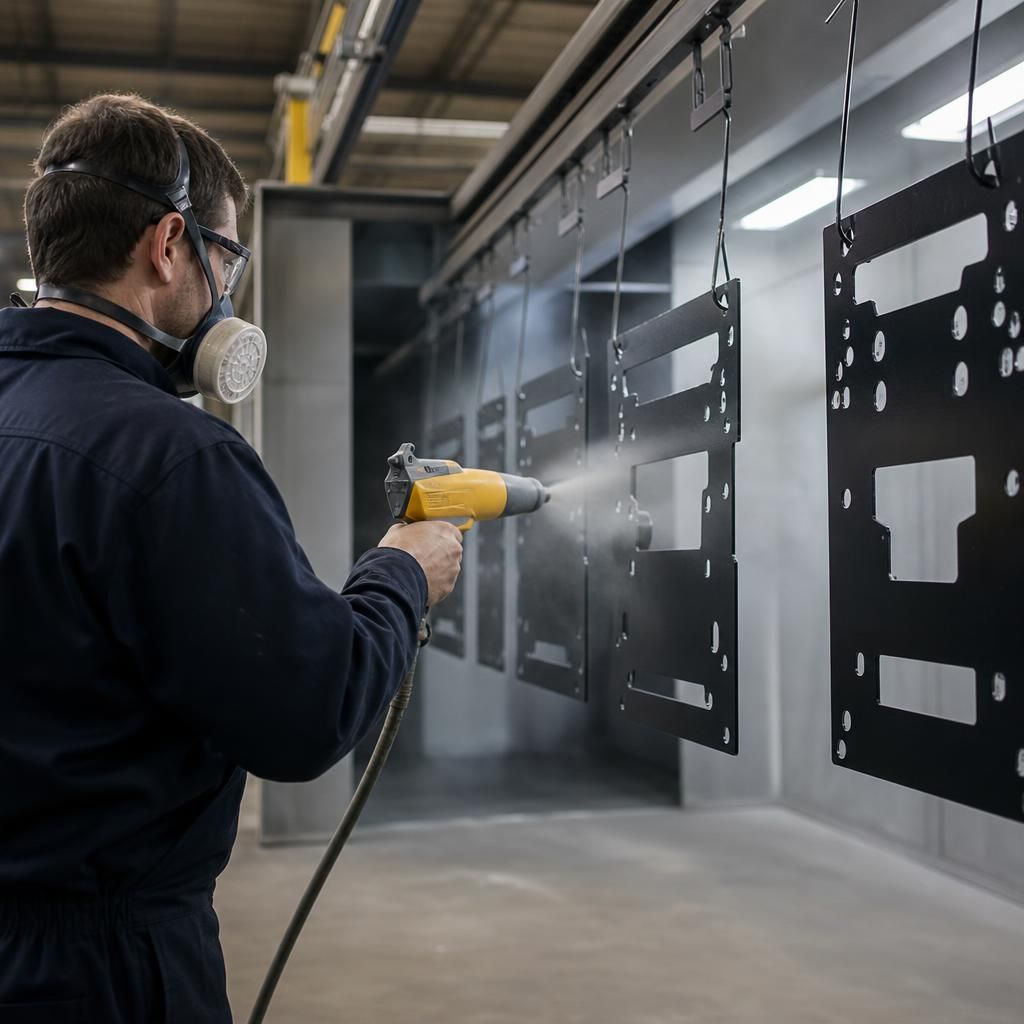
Customisation Options
Offered in a broad spectrum of colours and finishes, thermoplastic powder coatings allow for aesthetic customisation while maintaining functional performance, suited to individual project needs.
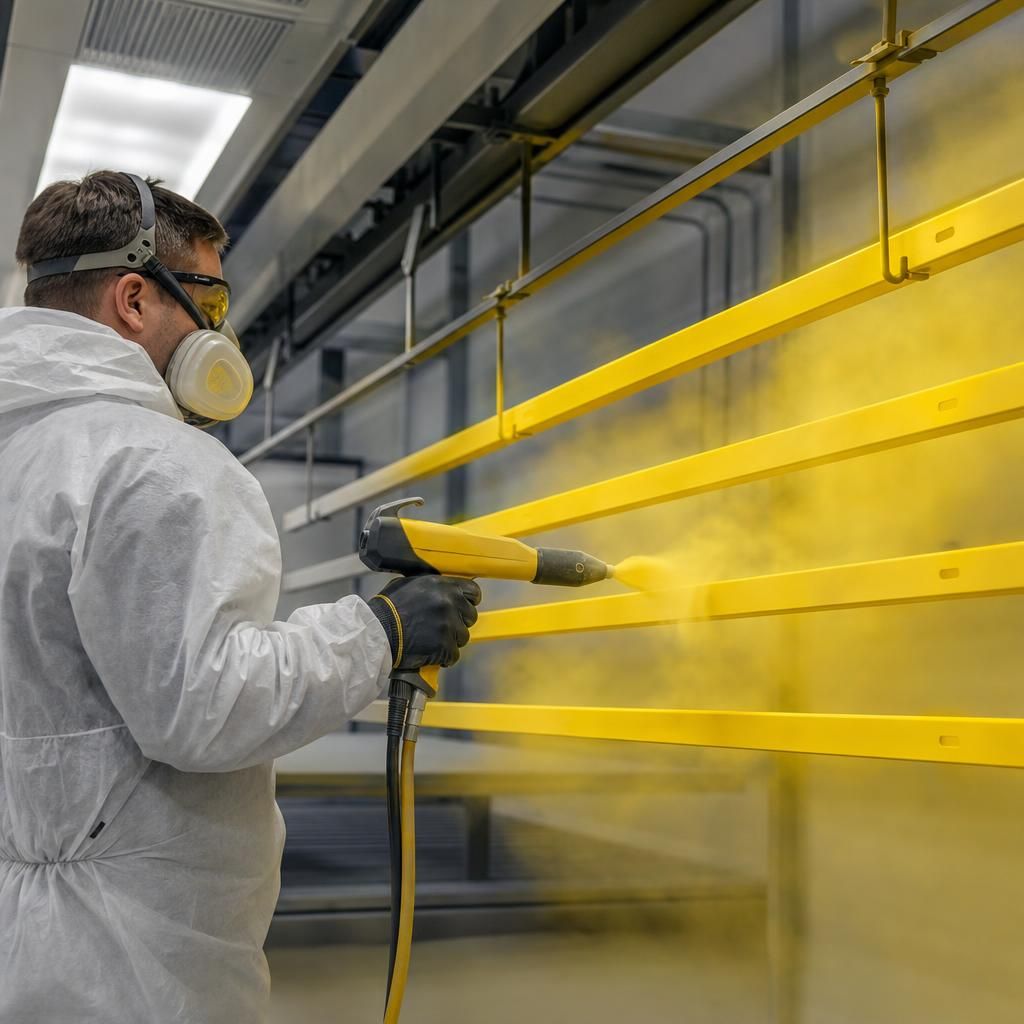
Durability and Longevity
Engineered to withstand rigorous use, thermoplastic coatings deliver long-term durability, ensuring components endure harsh operational conditions without compromising on performance.
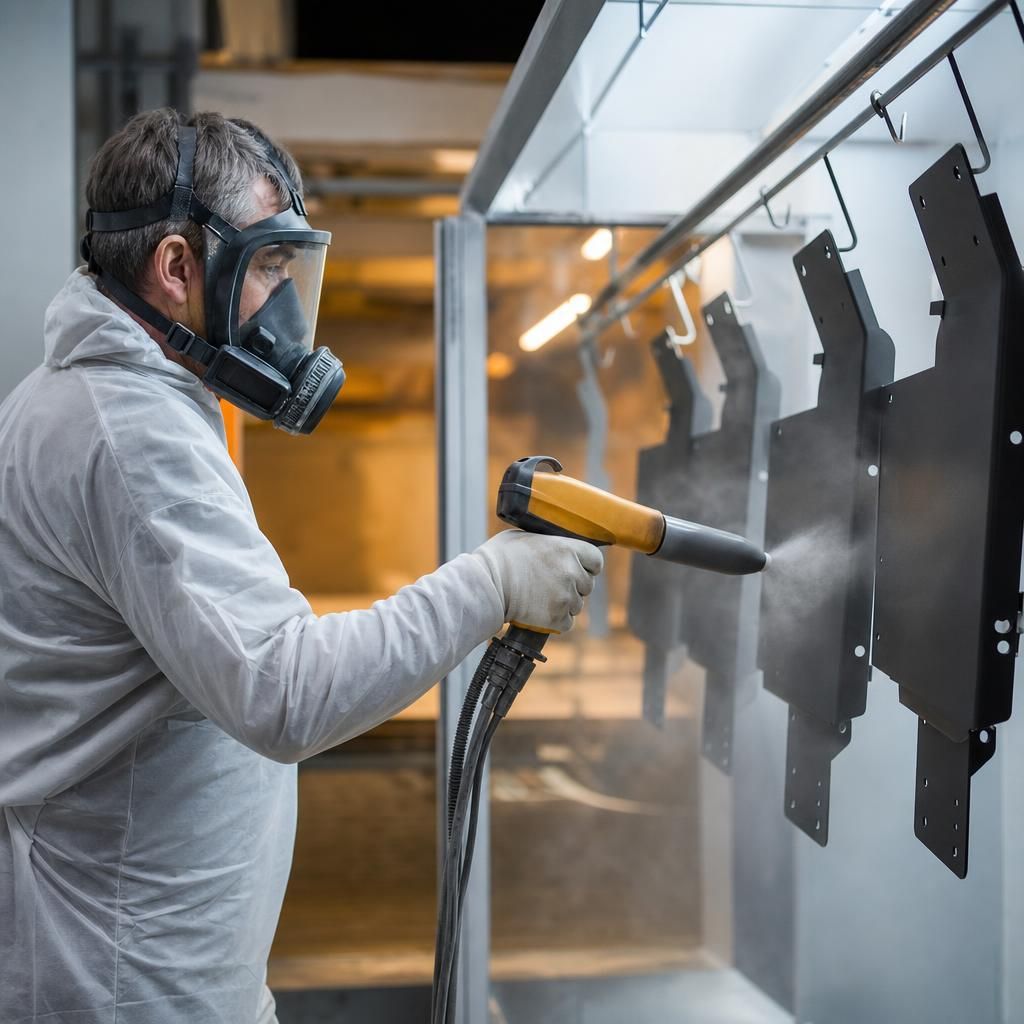
Eco-Friendly Solution
Thermoplastic coatings contribute to a greener environment, as they are solvent-free and produce minimal waste, aligning with sustainable practices without sacrificing quality or efficiency.
Superior Protection
Thermoplastic powder coating provides unmatched durability and protection for metal components, ideal for challenging industrial environments.
Essential Questions for Choosing Thermoplastic Powder Coating
What specific industry certifications and standards does the thermoplastic powder coating process meet or exceed?
Thermoplastic coatings are self-healing at elevated temperatures, allowing damaged areas to be easily repaired, extending component life and offering long-term cost-effectiveness.
What environmental considerations should be taken into account when selecting thermoplastic powder coating for industrial applications?
Thermoplastic powder coatings are solvent-free, minimising VOC emissions. Their application process produces minimal waste, making them an eco-friendly choice for reducing industrial environmental impact and aligning with sustainability goals.
How does the thermoplastic powder coating process affect the thermal and electrical insulation properties of the coated components?
Thermoplastic powder coatings enhance thermal and electrical insulation properties, providing effective barriers crucial in applications requiring safety and performance. Such coatings reduce heat transfer and prevent electrical conductivity issues efficiently.
What specific maintenance procedures are recommended to ensure the longevity and performance of thermoplastic powder coated surfaces?
Regular inspection and prompt repair of surface damage are vital. Clean with non-abrasive solutions to maintain integrity, and undertake periodic professional assessments to ensure optimal protective performance and durability.
What advantages does thermoplastic powder coating offer over traditional liquid coatings in terms of application and performance?
Thermoplastic powder coatings provide superior chemical resistance, quick curing times, and thicker, uniform finishes over traditional liquid coatings, enhancing durability and simplifying maintenance while reducing application and drying hazards.
Unlocking the Benefits of Thermoplastic Powder Coating for Your Industry Needs
Thermoplastic powder coating provides a resilient and adaptable protective finish for metal components, making it ideal for demanding industrial applications. This coating type offers significant corrosion resistance and superb abrasion protection, helping your components achieve prolonged service life.