
Powder Coating Pretreatment Guide
Pretreatment is a vital step in the powder coating process, ensuring the longevity and quality of the coating. This guide outlines essential chemical treatments like zinc phosphate and chromate, detailing how they prepare metal surfaces for durable, flawless finishes.
At Powder Coatings Ltd, our powder coating procedure combines over 50 years of experience with ISO 9001 approved quality systems to deliver reliable, durable, and high-performance finishes for industrial and commercial applications. From detailed surface preparation and electrostatic powder application through to precision oven curing, every stage is carefully controlled to achieve outstanding coating quality and long-term protection.
Established Over 50 Years
Trusted powder coating specialists serving UK industries since 1972.
ISO 9001 Approved Quality
Full traceability and strict quality control procedures on every project.
Fast Turnaround Times
72-hour turnaround with optional 24-hour express coating service.
Specialist Powder Coating Solutions
Advanced coatings and technical expertise for complex industrial applications.
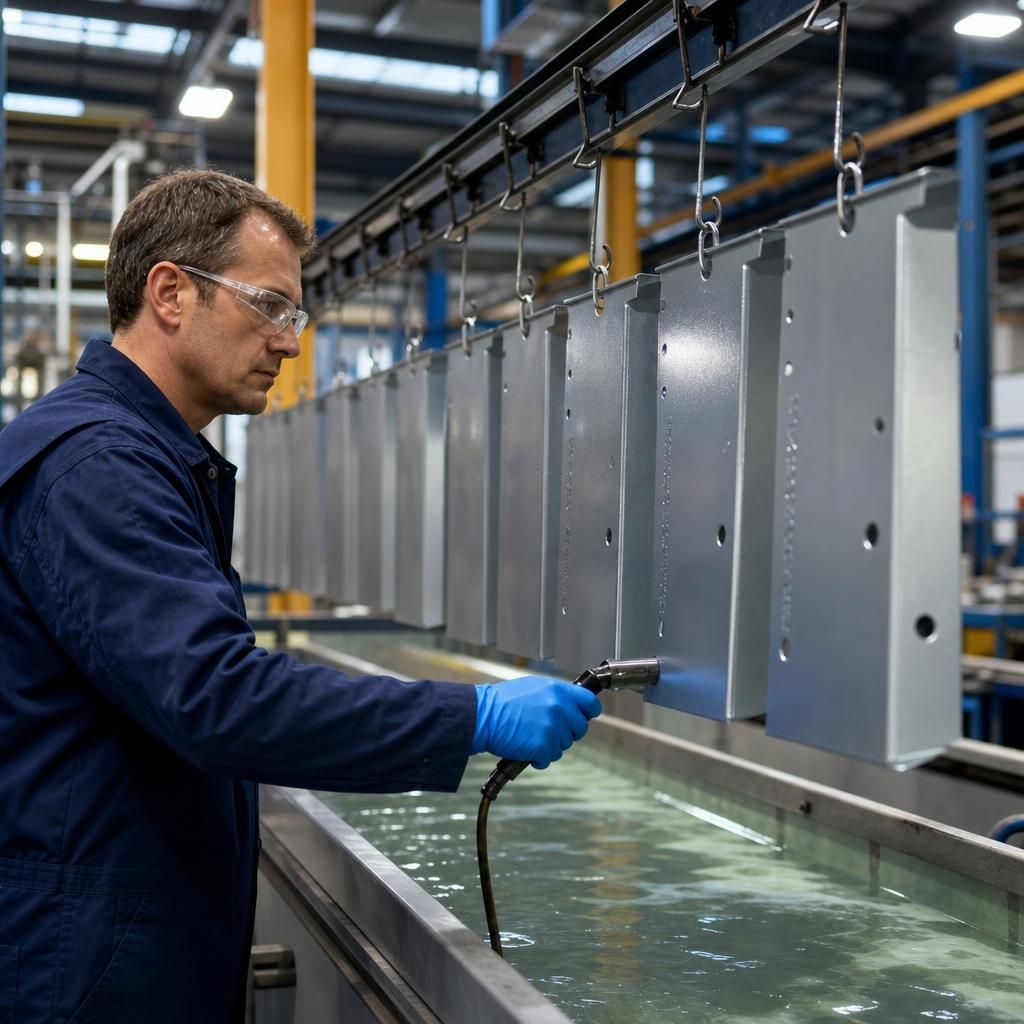
Essential Pretreatment Chemicals for Powder Coating
Pretreatment in powder coating involves applying specific chemicals to metal surfaces to enhance adhesion and longevity. The common pretreatment chemicals include zinc phosphate and chromate. These are crucial in creating a suitable base for the powder coating, ensuring it adheres properly to the metal. Without proper pretreatment, coatings may not bond effectively, reducing their durability.
When evaluating your options, consider the types of materials you’re working with. Zinc phosphate is often preferred for ferrous metals due to its superior corrosion resistance. Chromate, on the other hand, is commonly used for aluminium substrates, offering excellent protection and adhesion. Both serve different needs, and selecting the right one is essential for optimal results.
Powder Coatings Ltd specialises in these pretreatment processes, ensuring an excellent finish for your metal components. Our expertise in applying these treatments means we can tailor solutions to your specific requirements, whether you’re in construction, manufacturing, or the automotive industry. Choosing the right pretreatment is a strategic decision that directly impacts the quality of your powder coating.
Key Pretreatment Features for Optimal Powder Coating Results
The Big List Section highlights key pretreatment features critical to successful powder coating. This list explains how each specification improves finish quality, enhances durability, and matches your specific metal type and industry needs.
Enhanced Surface Cleaning
Thorough cleaning of metal surfaces removes contaminants like oils and rust, which can inhibit coating adhesion. A clean surface is a foundational step in ensuring the powder coating bonds effectively, resulting in a smooth and durable finish.
Surface Profiling for Better Adhesion
Creating a surface profile through mechanical or chemical means ensures the powder coating has a textured surface to adhere to. This profiling is crucial for enhancing coating adhesion, especially on smooth or polished metals.
Rust and Corrosion Prevention
Pretreatment includes applying anti-corrosion compounds to protect the metal surface. This step prevents rust from forming under the coating, which can undermine structural integrity and coating longevity.
Enhancing Coating Durability
Pretreatment often involves conditioning the metal surface to withstand wear and environmental stresses, which boosts the coating’s durability. A well-prepared surface contributes to a finish that resists chipping, scratching, and fading over time.
Improved Coating Consistency
Uniform pretreatment ensures even distribution of powder coating across the metal surface. Consistency is vital for aesthetic uniformity and performance, reducing the risk of defects in the coating layer.
Secure Your Powder Coating's Foundation with Expert Pretreatment
Pretreatment is the critical stage preceding powder coating application, involving the use of specific chemicals to prepare metal surfaces. This phase is essentially designed to enhance the adhesion between the coating and the substrate, ensuring a durable and high-quality finish. By employing chemicals such as zinc phosphate and chromate, which form crucial protective barriers, the metal surface is adequately shielded from corrosion, which can drastically affect the longevity of the coating.
When considering options for pretreatment, the type of metal you’re working with is an important factor. Zinc phosphate is frequently utilised for steel surfaces due to its excellent corrosion resistance and ability to form a strong bonding layer. Chromate-based treatments are typically favoured for aluminium substrates, offering superior adhesion and protection. Each of these chemicals has unique benefits, tailored to specific metal types and industrial environments where durability is paramount. This understanding helps in making well-informed decisions about pretreatment methods.
Powder Coatings Ltd offers extensive expertise in selecting and applying the right pretreatment solutions based on your project’s requirements. By accurately analysing the nature of your metal components and their intended applications, they ensure your project not only meets but exceeds industry standards. This expertise in pretreatment processes is integral to achieving the perfect finish, catering to sectors such as manufacturing, construction, and automotive industries where optimal quality is non-negotiable.
Optimal Adhesion
Ensure optimal adhesion with expertly applied pretreatment processes that guarantee durability and quality in your powder coating projects.
Frequently Asked Questions about Powder Coating Pretreatment
What are the most effective pretreatment chemicals for specific metal types in powder coating?
Pretreatment in powder coating involves chemical processes using zinc phosphate or chromate to enhance adhesion and corrosion resistance, crucial for a durable finish on metal components.
What factors should be considered when choosing between zinc phosphate and chromate pretreatments for different metals?
Consider the metal’s properties, such as corrosion resistance and adhesion needs. Zinc phosphate is ideal for steel, while chromate suits aluminium, contributing to the coating's effectiveness and longevity.
How do pretreatment chemicals in powder coating processes affect the cure temperature and overall finish quality?
Pretreatment chemicals can influence the curing process by altering the coating’s bonding and temperature requirements, thus affecting the final finish's quality and endurance. Proper chemical use ensures optimal results.
What steps are involved in the pretreatment process to ensure the metal surface is ready for powder coating application?
Begin with thorough cleaning to eliminate contaminants, then apply pretreatment chemicals like zinc phosphate or chromate. This ensures optimal adhesion by forming a corrosion-resistant layer, readying the surface for coating.
What are the advantages and limitations of using chromate pretreatment on aluminium surfaces before powder coating?
Chromate pretreatment enhances adhesion and corrosion resistance on aluminium by creating a chemically bonded layer. It provides excellent surface preparation for powder coating but involves environmental concerns and regulatory limitations.
Industry-leading Expertise in Pretreatment Solutions
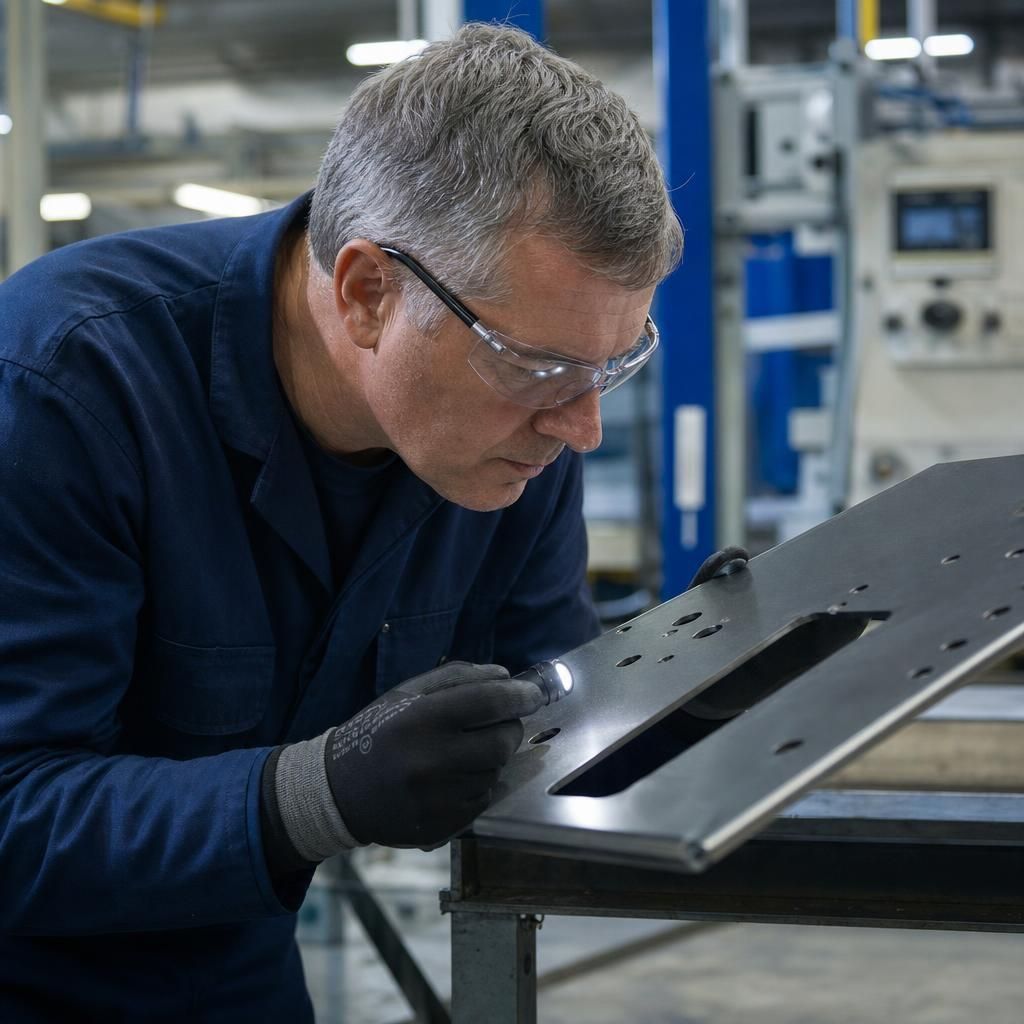
Assessing Surface Contamination
Proper assessment of metal surfaces for contaminants like oils, rust, and old coatings is critical in pretreatment. This step ensures that the pretreatment chemicals can function effectively, providing the foundation for a robust powder coating. Powder Coatings Ltd employs advanced techniques to guarantee thorough preparation, aligning with industry best practices.
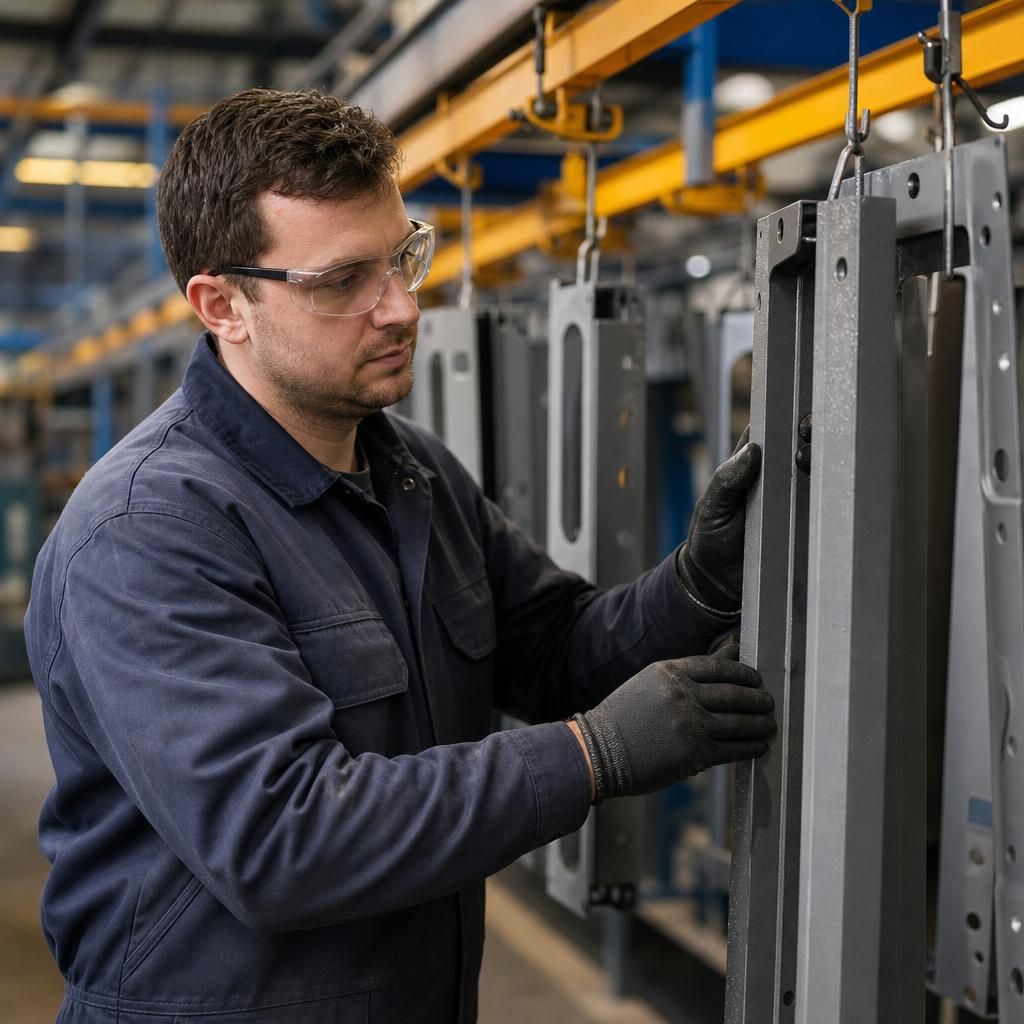
Degreasing Metal Components
Degreasing is a fundamental procedure involving the removal of oils and lubricants from metal surfaces. This process ensures that the pretreatment chemicals interact directly with the metal, crucial for effective bonding. Powder Coatings Ltd uses tailored solutions to ensure precision in degreasing, enhancing the subsequent powder coating adhesion.
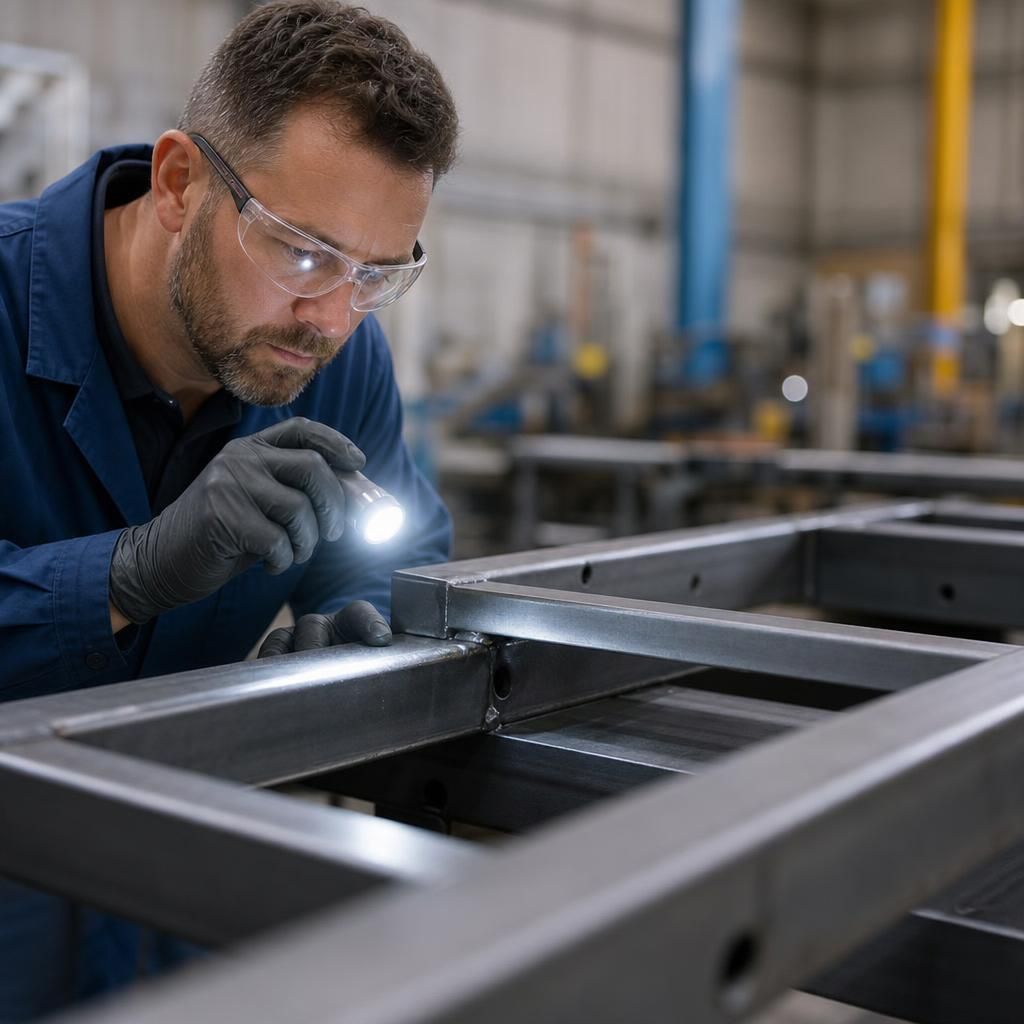
Applying Zinc Phosphate
Zinc phosphate coating serves as an excellent preparatory layer, offering corrosion resistance and enhancing adhesion on steel components. Commonly used in various industries, this method ensures longevity and endurance under challenging conditions. Powder Coatings Ltd's expertise in zinc phosphate applications is a testament to their commitment to quality finishes tailored to sector-specific needs.
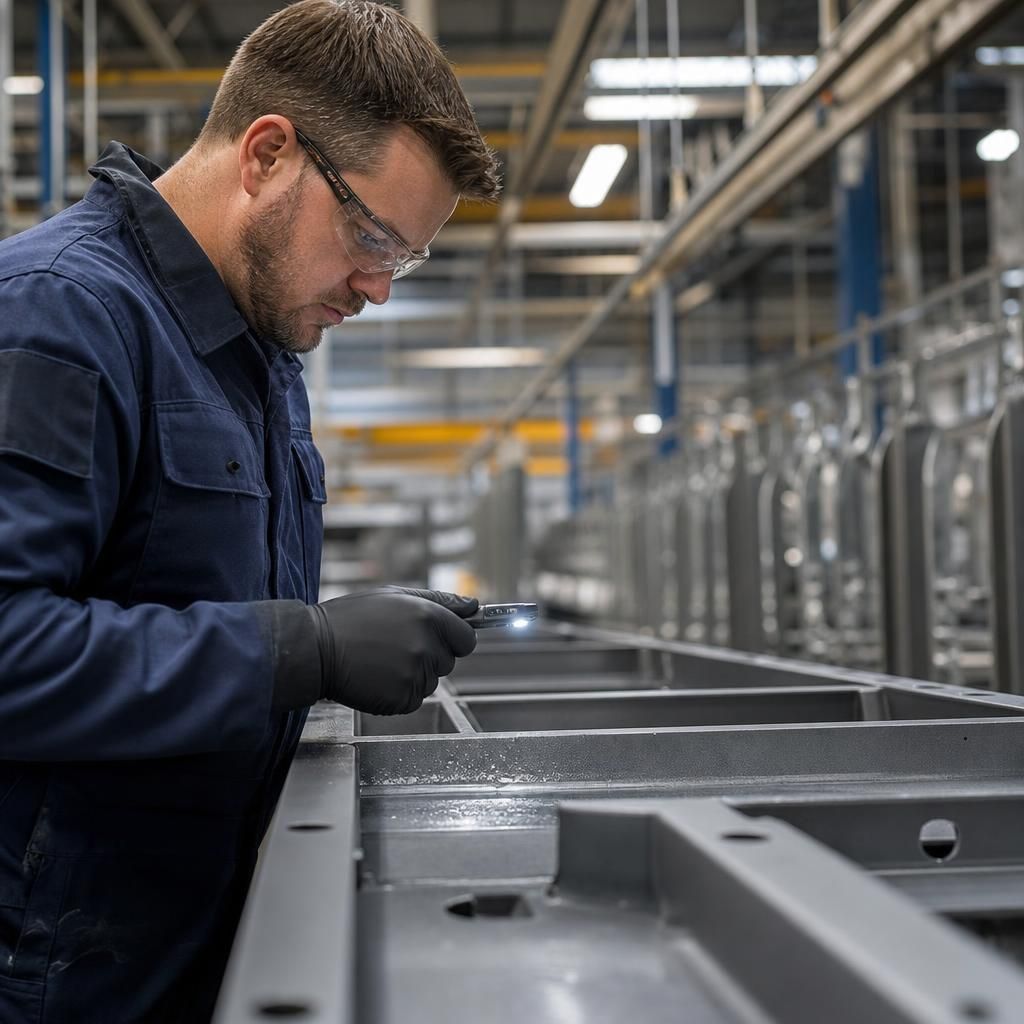
Chromate Treatments for Aluminium
Aluminium surfaces benefit significantly from chromate treatments, which provide superior adhesion and protection against corrosion. This method is essential for applications where aluminium is exposed to harsh environments. At Powder Coatings Ltd, the chromate treatment process is optimised to ensure an enduring finish that meets the high standards of industry demands.
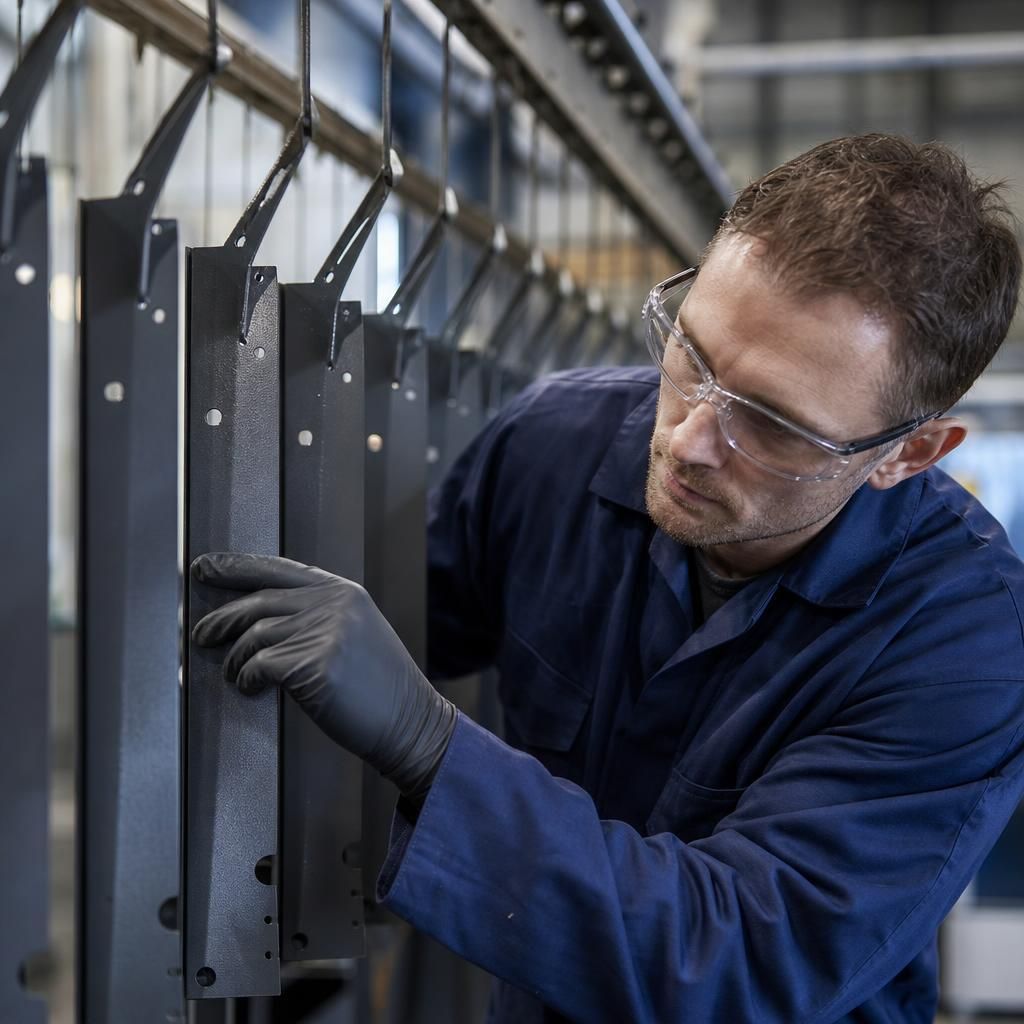
Quality Control in Pretreatment
Rigorous quality control ensures the effectiveness of pretreatment processes. Each stage undergoes stringent inspection to confirm that the metal surfaces are optimally prepared for powder coating. At Powder Coatings Ltd, quality checks are integral, underpinning their reputation for delivering exceptional, reliable finishes for every project.
Essential Questions for Choosing Pretreatment Solutions
Which pretreatment chemicals are most effective for different environmental conditions and why?
Select pretreatment chemicals based on your substrate type to enhance coating adherence and longevity. Zinc phosphate suits ferrous metals; chromate excels with aluminium, offering unique benefits for each application.
How does the use of specific pretreatment chemicals influence the curing temperature and time required for different powder coating types?
Specific pretreatment chemicals can alter the curing temperature and time for powder coatings. For example, zinc phosphate pretreated surfaces may require higher temperatures, while chromate treatments usually align with standard curing protocols.
What factors should be considered when deciding whether to use custom or standard pretreatment solutions for your metal components?
Consider project-specific requirements like metal type, desired finish, and environmental factors. Custom pretreatment offers tailored solutions, while standard methods provide consistency and cost-efficiency. Choose based on your industry needs.
What are the potential impacts of using inadequate pretreatment chemicals on the final powder coating performance and longevity?
Using inadequate pretreatment chemicals can lead to poor adhesion, reduced corrosion resistance, and inferior finish quality, compromising the coating’s performance and lifespan. Proper pretreatment is essential for durable, high-quality coatings.
How can the choice of pretreatment chemicals influence the visual outcomes, such as different finishes like matte grey or custom powder coatings, in the powder coating process?
Pretreatment chemicals significantly impact the final finish; zinc phosphate enhances metallic shades, while chromate supports rich, custom colours. Tailored chemical selection is essential for desired visual and performance outcomes.
Get Expert Pretreatment Advice Now
Enhance your project with tailored pretreatment solutions. Our expert team ensures optimal adhesion and corrosion protection for flawless results. Contact us today to explore how our specialised pretreatments can elevate your powder coating finish to industry-leading standards.